Products Rooms Manufacturers & Designers Highlights Offers Info Store

20% Discount on Hans J. Wegner’s First Masterpieces*

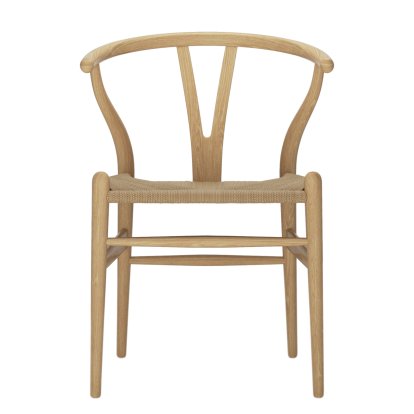
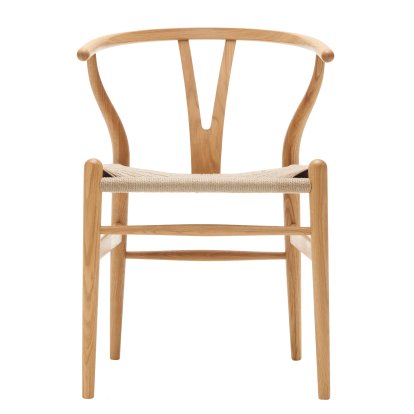
CH24 Wishbone Chair, White oiled oak, Nature mesh
Offer
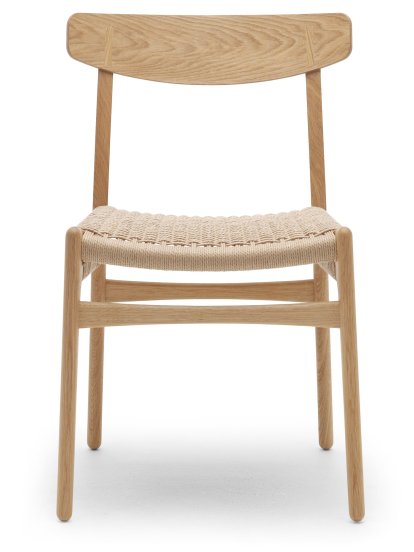
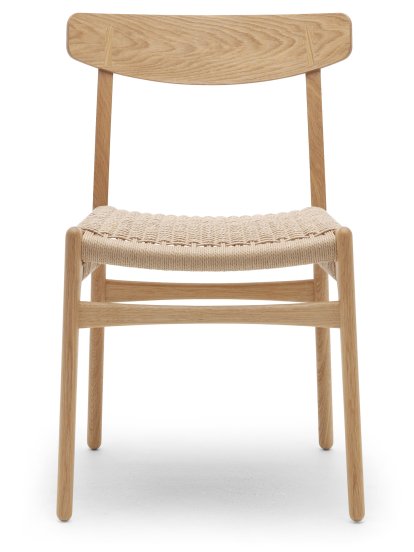
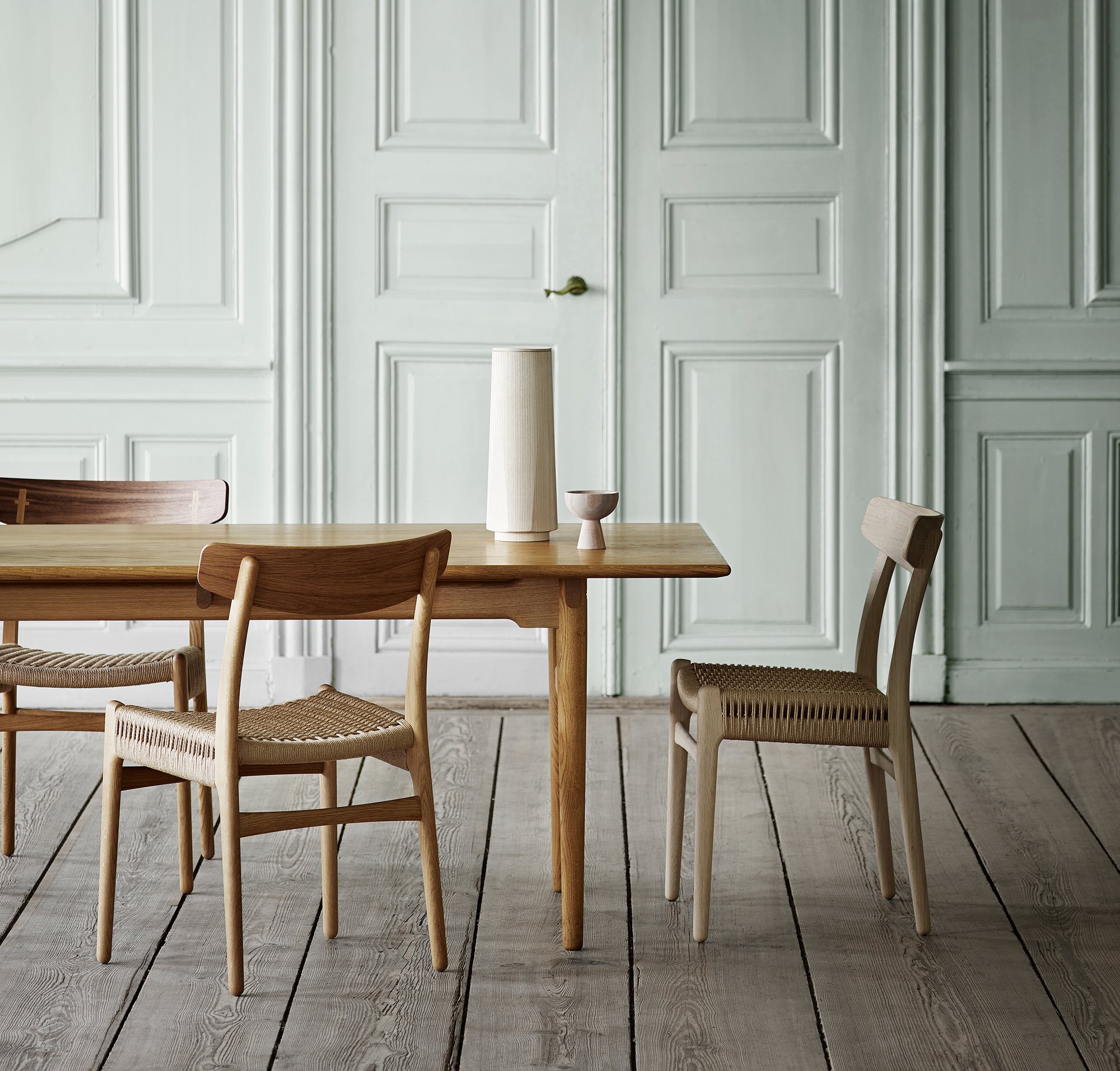
CH23 Dining Chair, Oiled oak, Nature mesh
Offer
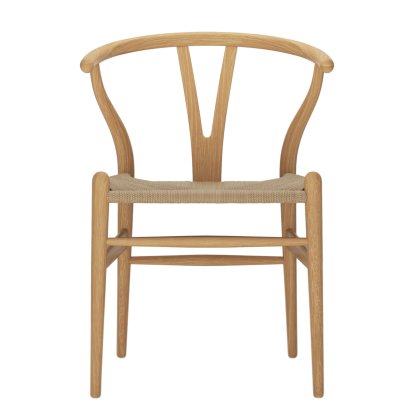
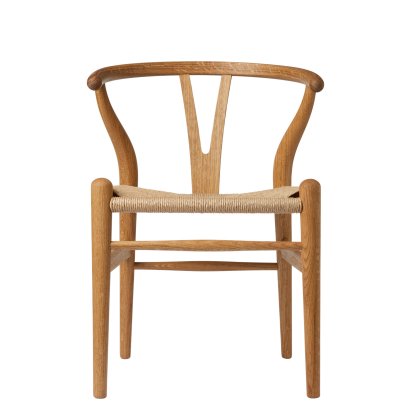
CH24 Wishbone Chair, Oiled oak, Nature mesh
Offer
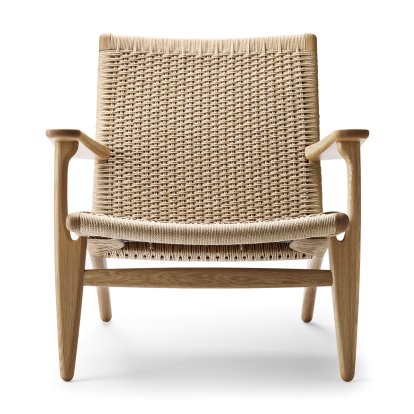
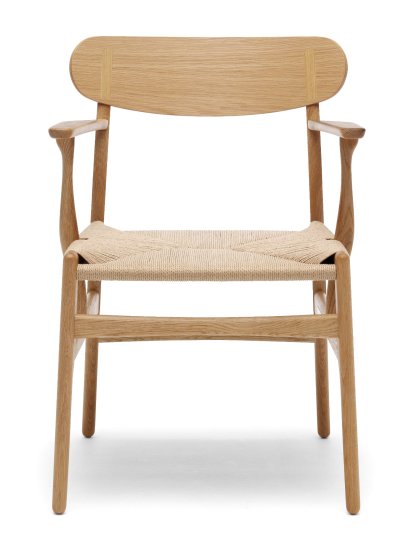
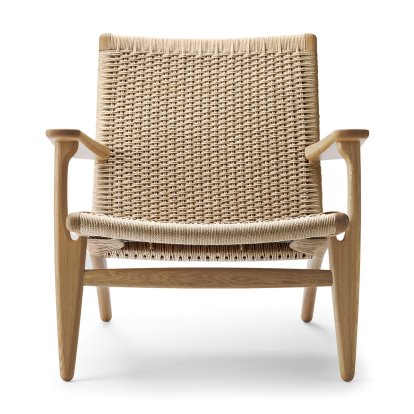
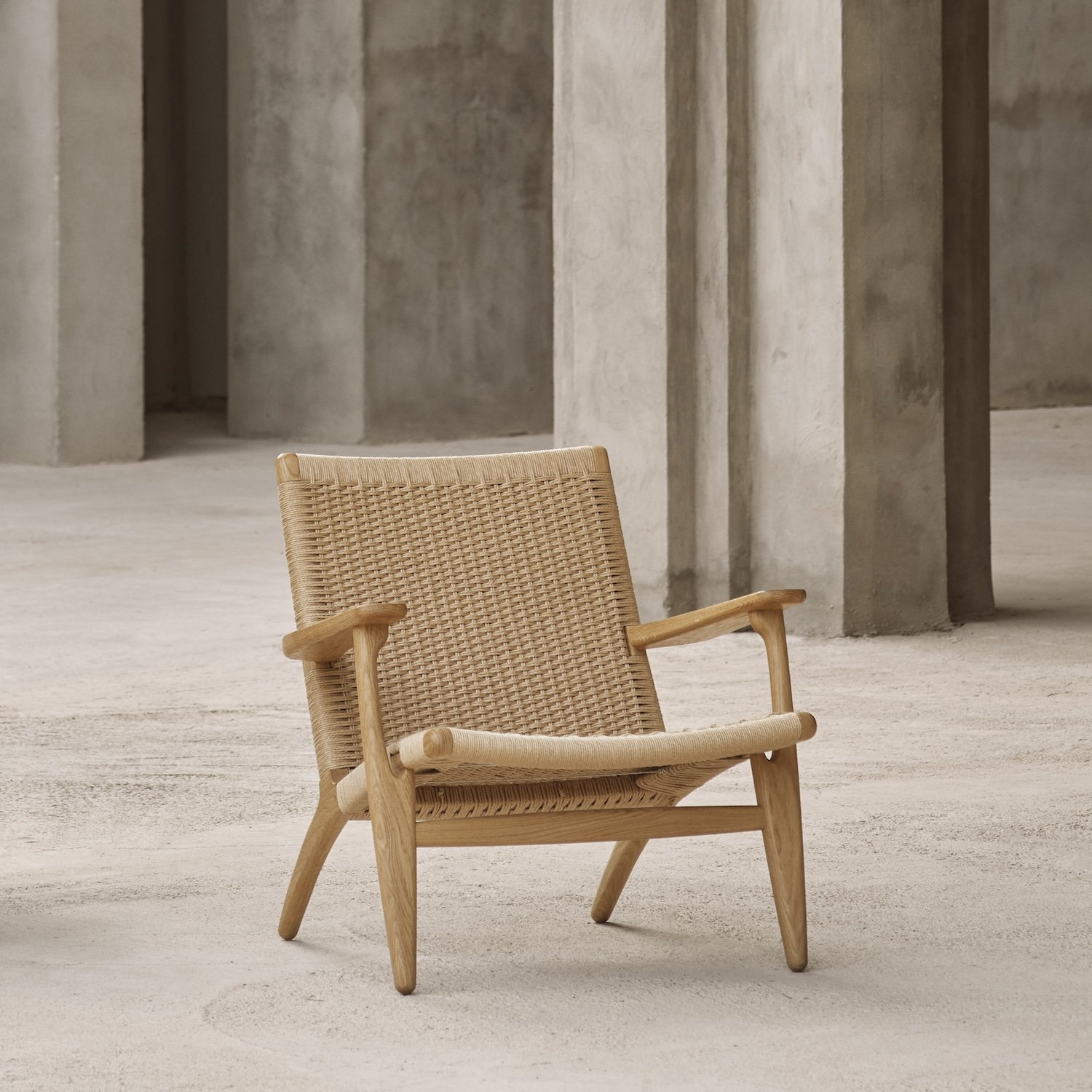
CH25 Lounge Chair, White oiled oak, Natural
Offer
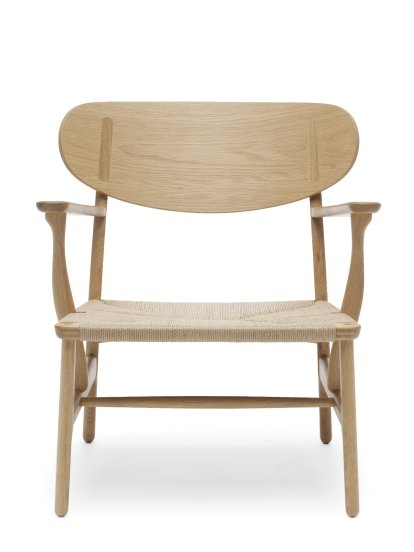
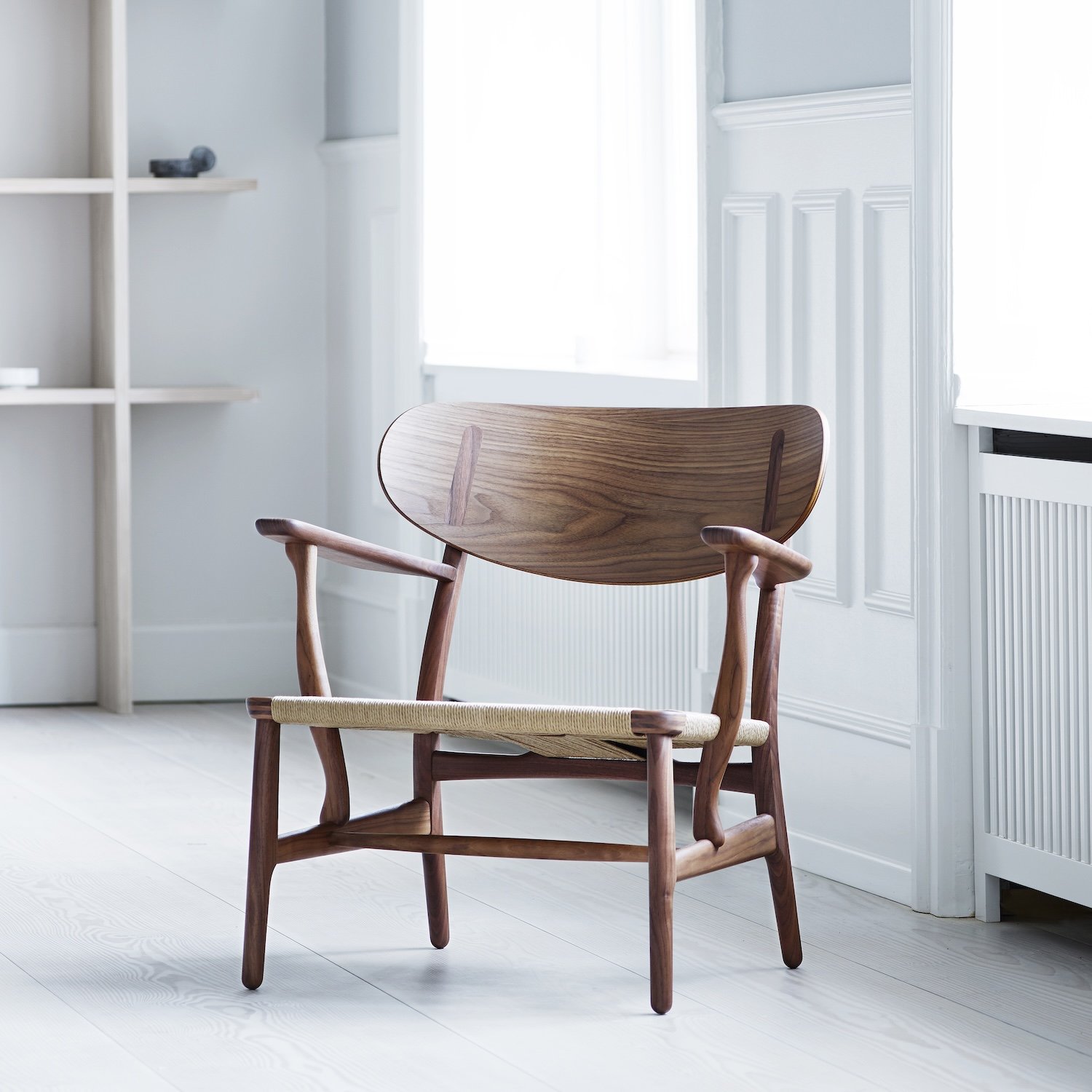
CH22 Lounge Chair, Oiled oak, natural paper yarn
Offer
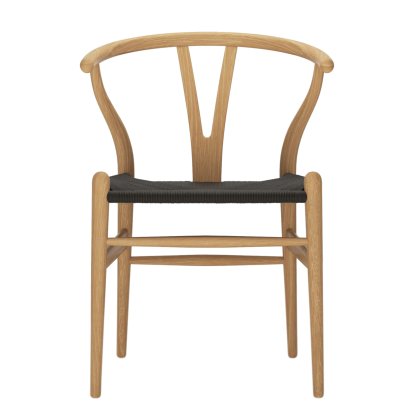
CH24 Wishbone Chair, Oiled oak, Black mesh
Offer
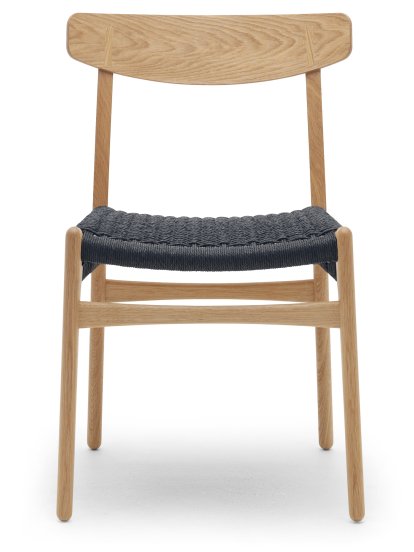
CH23 Dining Chair, Oiled oak, Black mesh
Offer
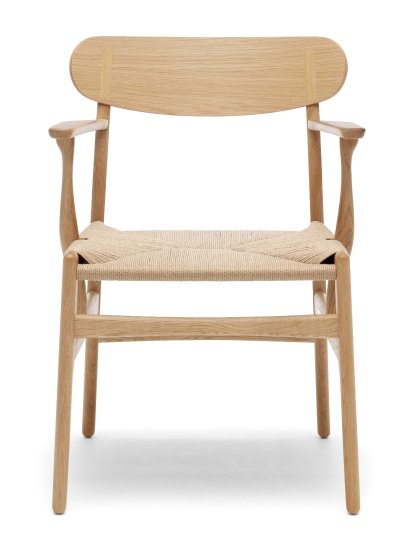
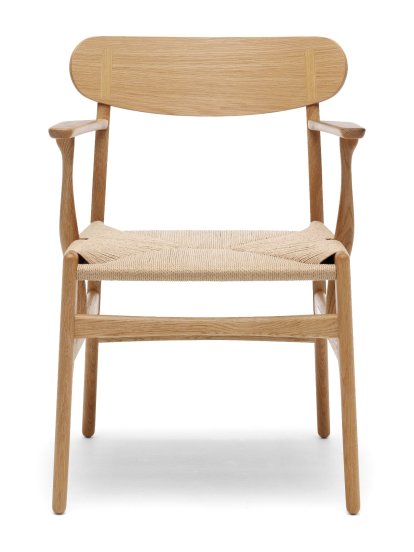
CH26 Dining Chair, Oiled oak, Natural
Offer
CH26 Dining Chair, White oiled oak, Natural
Offer
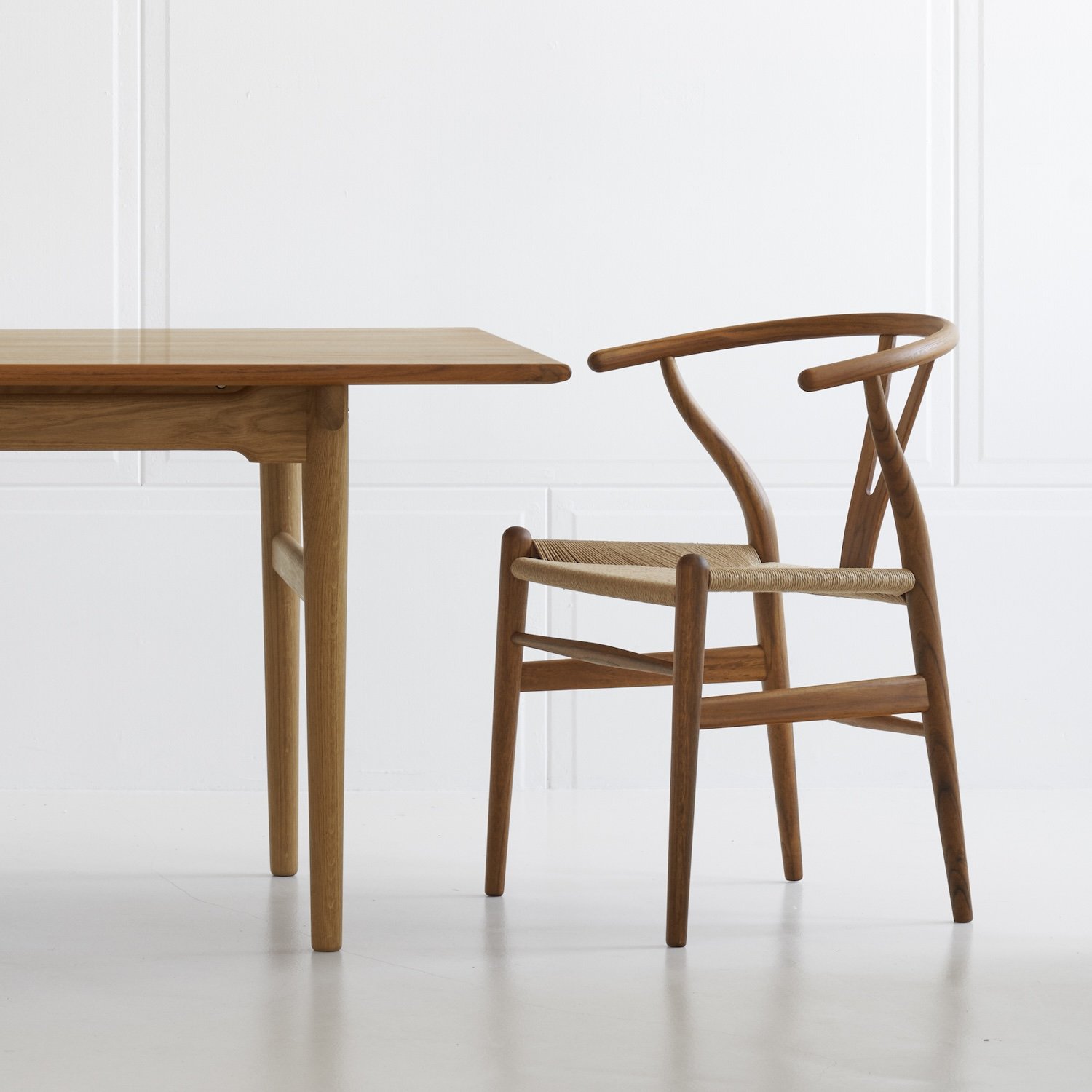
CH24 Wishbone Chair
CH22 Lounge Chair
CH23 Dining Chair
CH25 Lounge Chair
CH24 Children's Wishbone Chair
CH26 Dining Chair
carl-hansen-ch24-wegner-masterpieces-20-per-cent-discount-promo-2026-banner

Timeless. Iconic. Wegner: 20% off Wegner's Masterpieces From Carl Hansen & Son

A remarkable design story began with five chairs: the CH22, CH23, CH24, CH25 and CH26 were Hans J. Wegner’s first designs for Carl Hansen & Søn. * Until 31 December 2026, you can enjoy a 20% discount on these five design classics in the oiled oak and white oiled oak finishes.

Hans J. Wegner’s First Masterpieces: Icons of Danish design

The so-called ‘First Masterpieces’ mark the beginning of the successful collaboration between the Danish furniture manufacturer Carl Hansen & Søn and the designer Hans J. Wegner. In 1949, within the space of just three weeks, the CH22, CH23, CH24 and CH25 chairs were created – four chair designs that are now regarded as classics of modern Danish design. The series is now complemented by the CH26, a design that was not originally produced but was reissued in 2016 based on Wegner’s original drawings.

► The First Masterpieces: Four design icons in three weeks
► From the China Chair to the Wishbone Chair: Wegner’s Approach to Design
► CH22 to CH26: Five Wegner chairs for different living situations
► Danish craftsmanship: What makes the First Masterpieces so durable

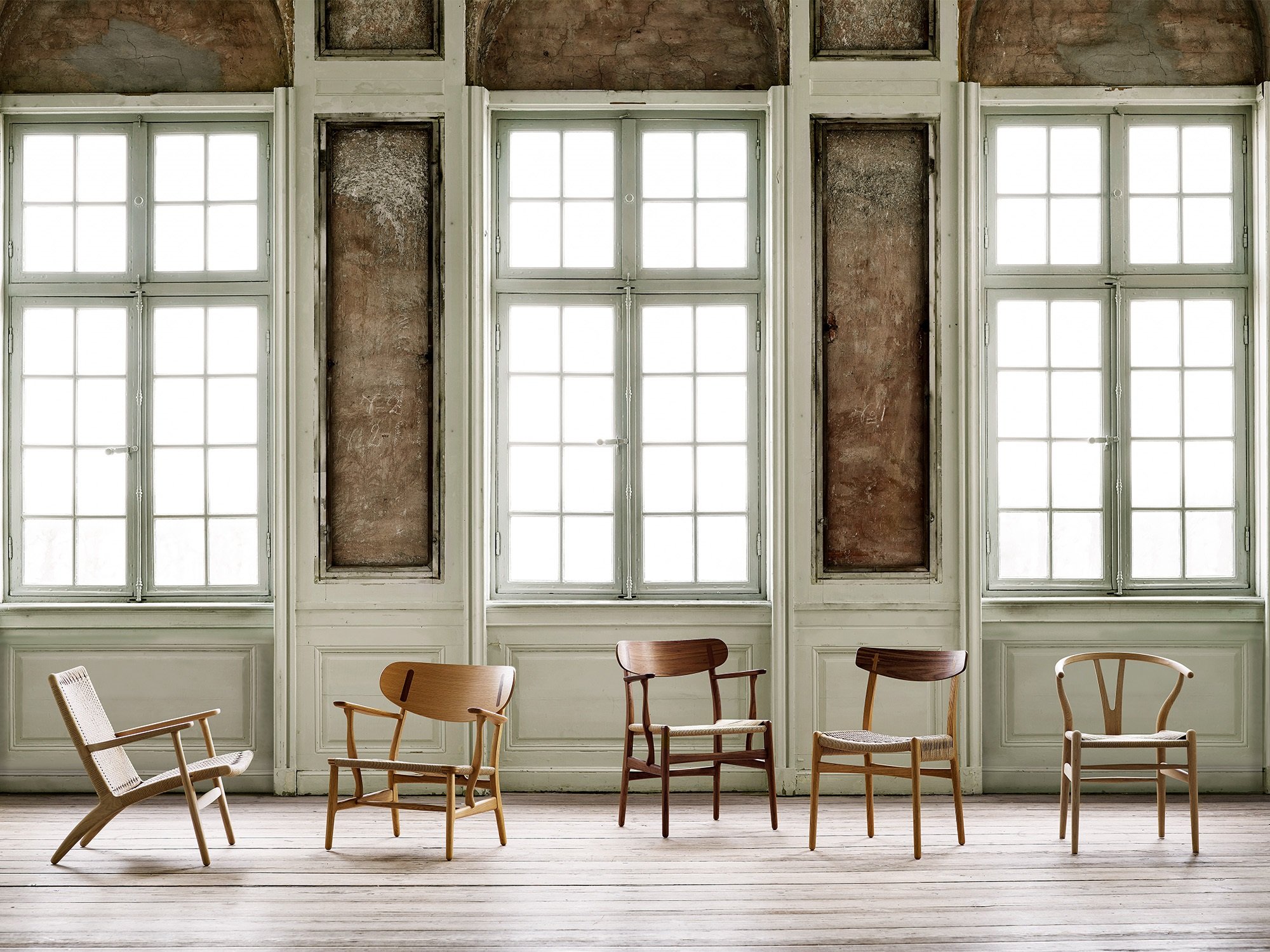
Five masterpieces: the wooden chairs CH25, CH22, CH26, CH23 and CH24 (from left to right) by Hans J. Wegner

The First Masterpieces: Four design icons in three weeks

When Holger Hansen, son of the company’s founder Carl Hansen, first became aware of Hans J. Wegner during the 1940s, Wegner was still largely unknown outside Denmark. Hansen recognised the designer’s potential and invited him to Odense in 1949 to begin a collaboration with Carl Hansen & Søn . What emerged from this collaboration was extraordinary: during his three-week stay, Wegner designed the four models CH22, CH23, CH24 and CH25.

First presented in 1950, these designs already displayed the essential characteristics of Wegner’s work. Wegner combined an intensive and visionary exploration of wood as a Material with clear construction, ergonomic design and a style whose simplicity was by no means commonplace for that era. Instead of reproducing traditional designs, Hans J. Wegner deconstructed them and used them as a basis for developing original, contemporary furniture.

His collaboration with Carl Hansen & Søn was to prove decisive for Wegner’s career. Having designed more than 500 chairs, Wegner pursued the idea of ‘just one good chair’ – the one perfect chair – throughout his life. The fact that this ambition gave rise to several design icons demonstrates the particular significance of his collaboration with Carl Hansen & Søn.

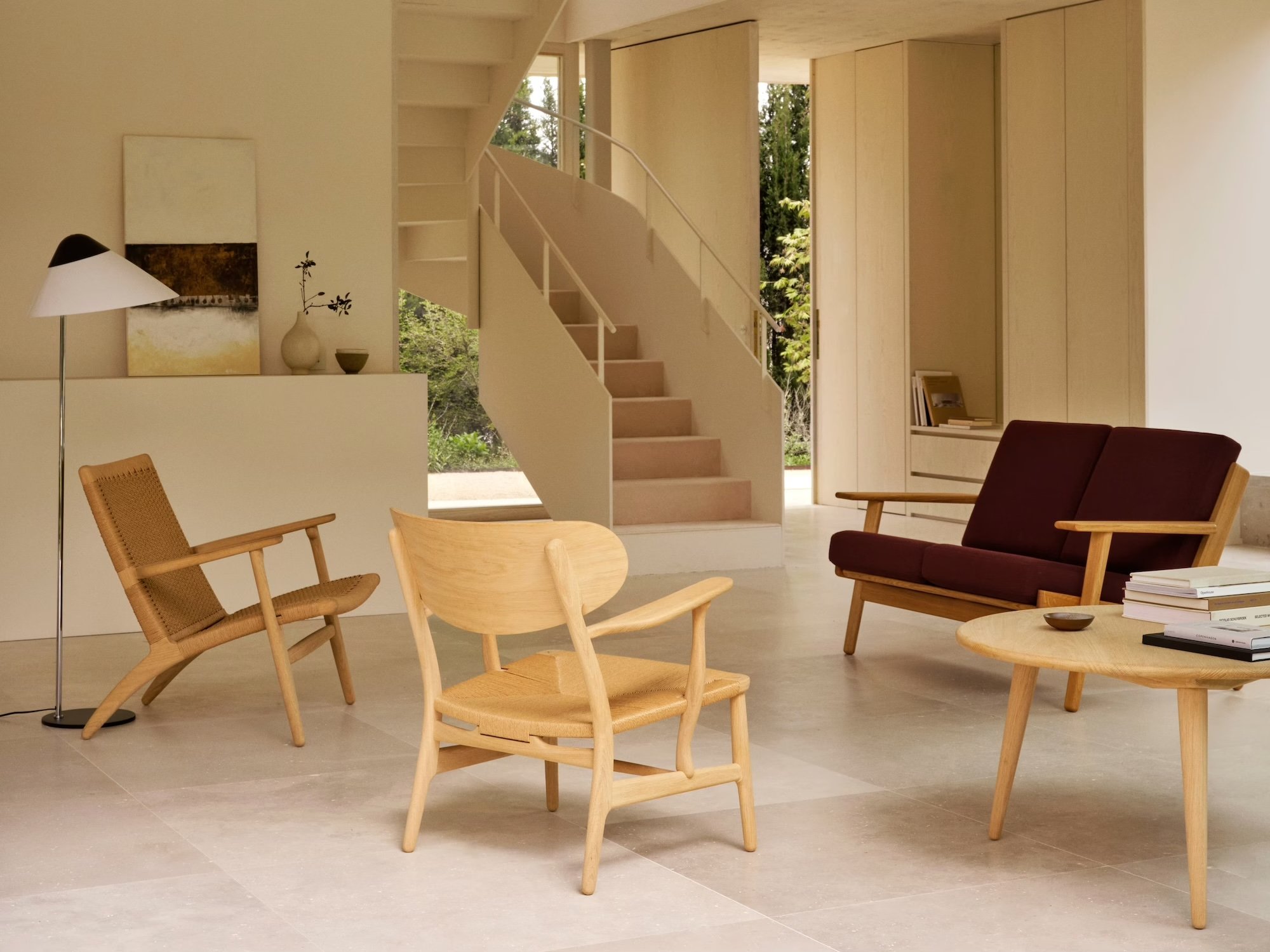
Hans J. Wegner’s CH22 lounge chair (front, centre)

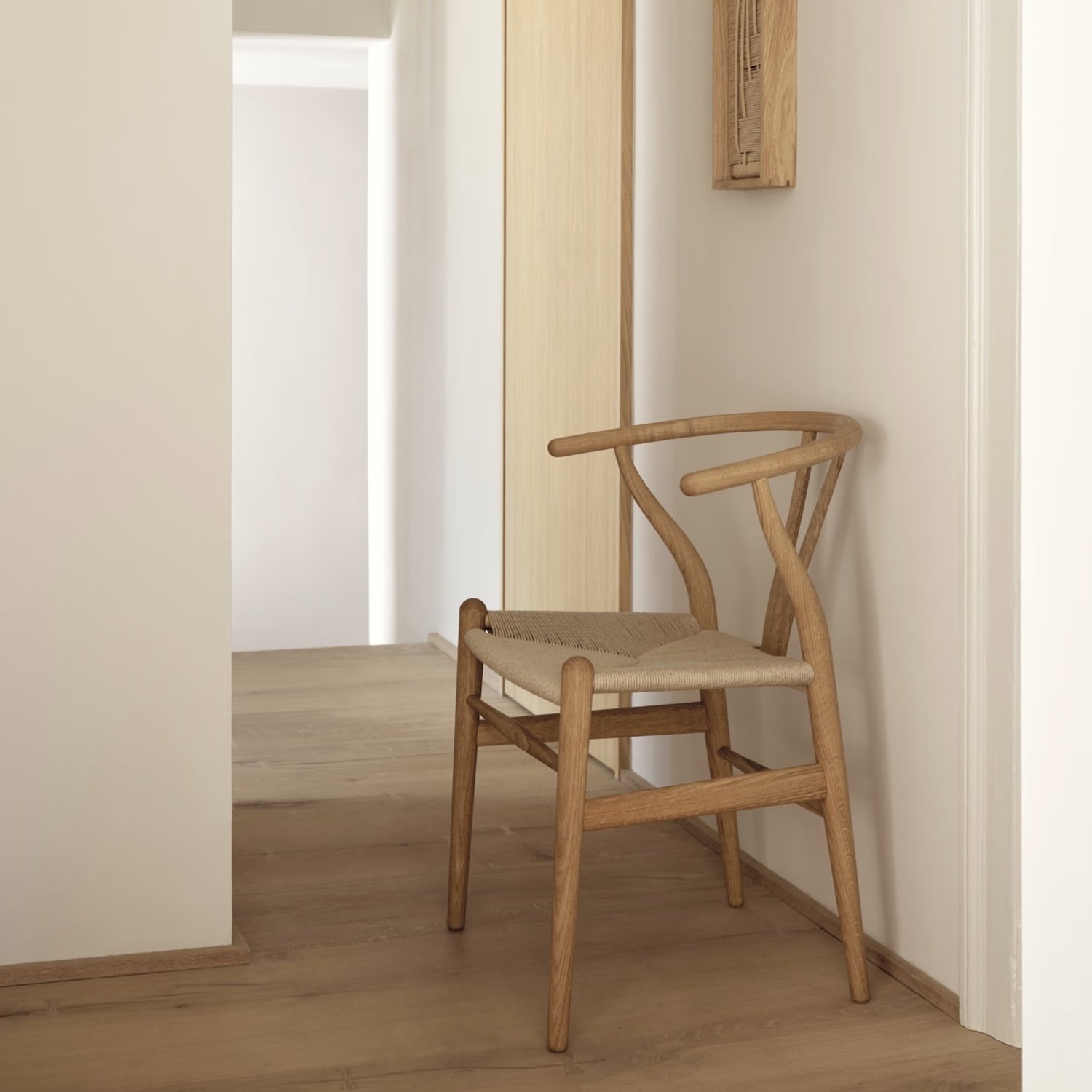
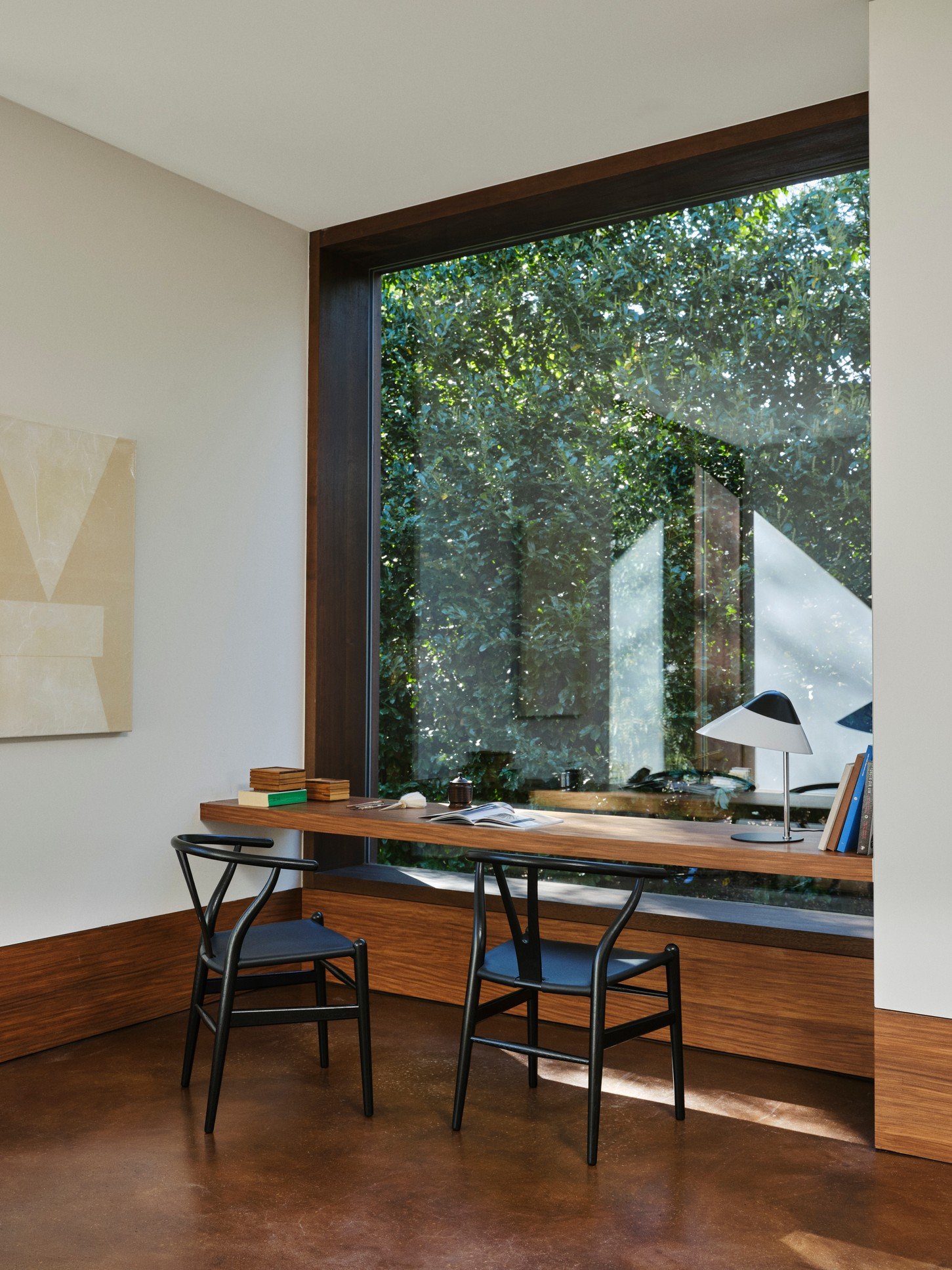
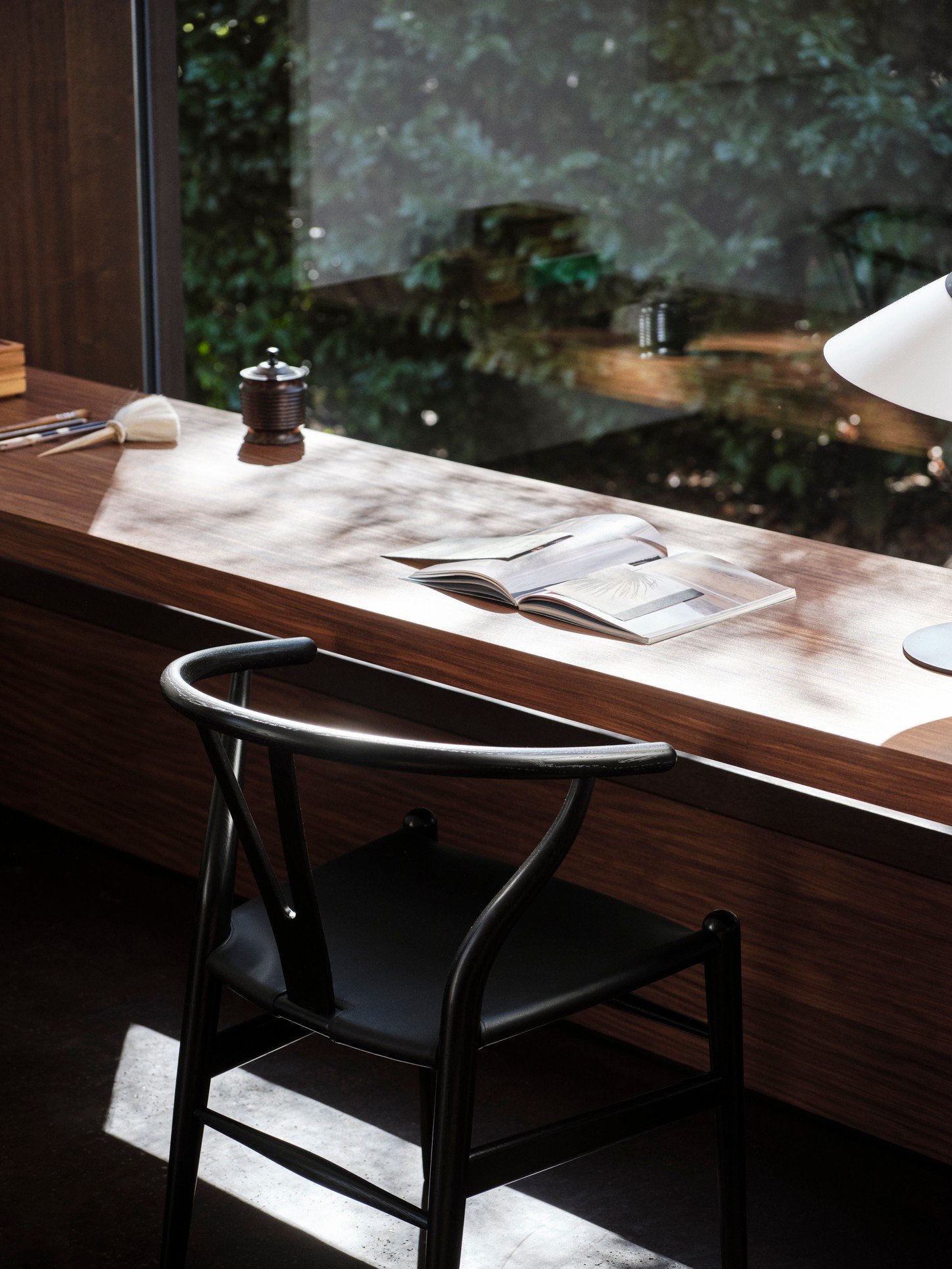
The CH24 Wishbone Chair dining chair

The CH23 chair and the CH25 lounge chair

From the China Chair to the Wishbone Chair: Wegner’s Approach to Design

Wegner studied historical Chinese seating furniture from the Ming Dynasty, which ruled China from 1368 to 1644, in great detail. This study led to the creation of the so-called China Chair in 1944, which was still closely modelled on historical examples and is regarded as the predecessor of the later CH24.

With the CH24, Wegner took things a step further: he combined the armrests and backrest into a single, curved, steam-bent wooden element, supported by the curved rear legs and the characteristic Y-shaped back strut, to which the chair owes its name. With the hand-woven seat made of paper cord, Wegner ensured comfort whilst at the same time linking the design to Danish craftsmanship. Paper cord is a specially processed, three-ply twisted paper material which, thanks to its natural elasticity, high durability and characteristic honey-coloured appearance, has become a defining element of Danish furniture design.

As such, the Wishbone Chair exemplifies Wegner’s understanding of design: tradition is not simply adopted, but analysed, reduced to its essentials and reinterpreted for the present day. This approach, combined with his craftsmanship and modern design language, made Wegner one of the most important figures in Danish design.
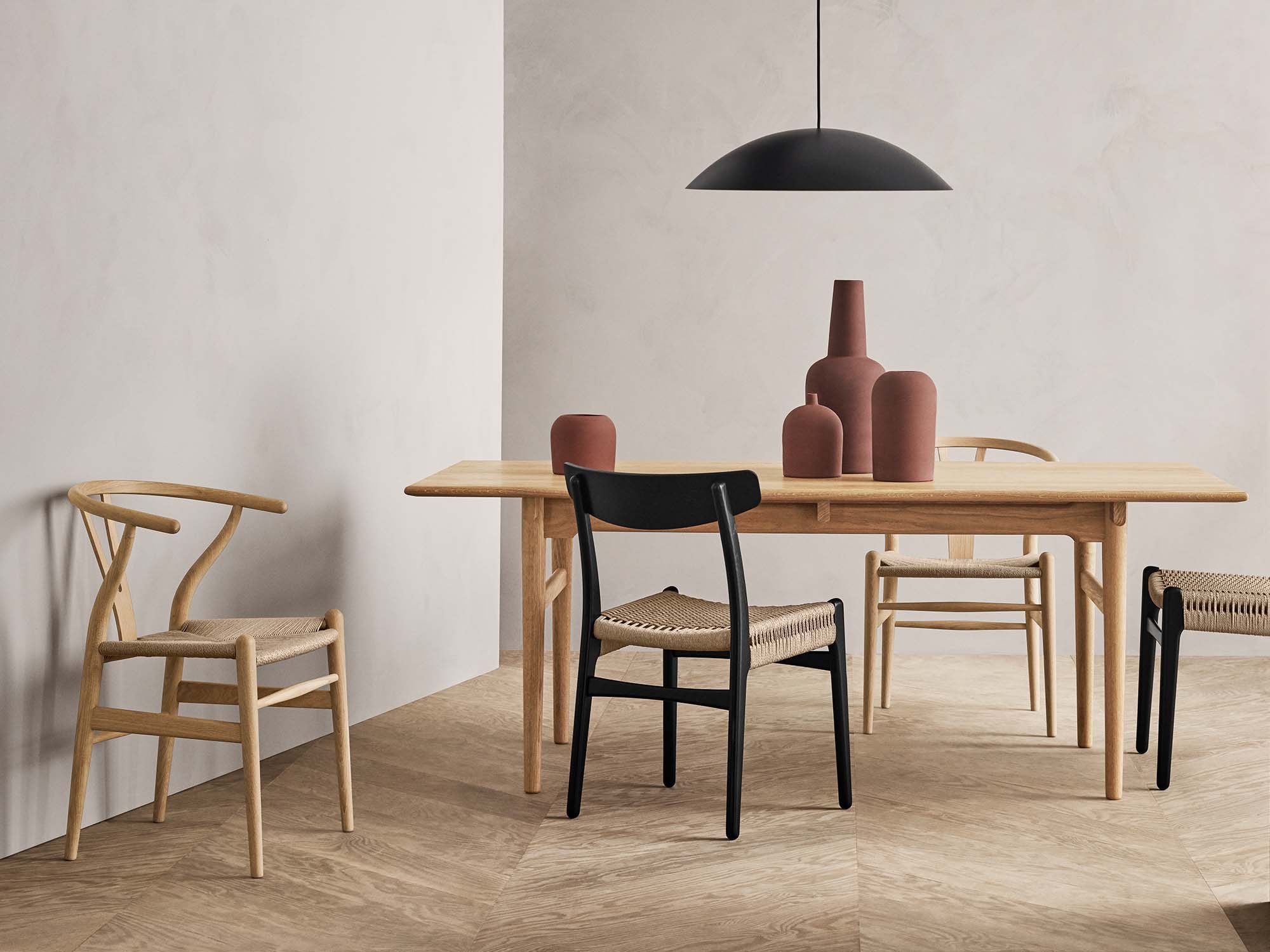
CH24 Wishbone Chairs at the dining table, combined with CH23 chairs in black

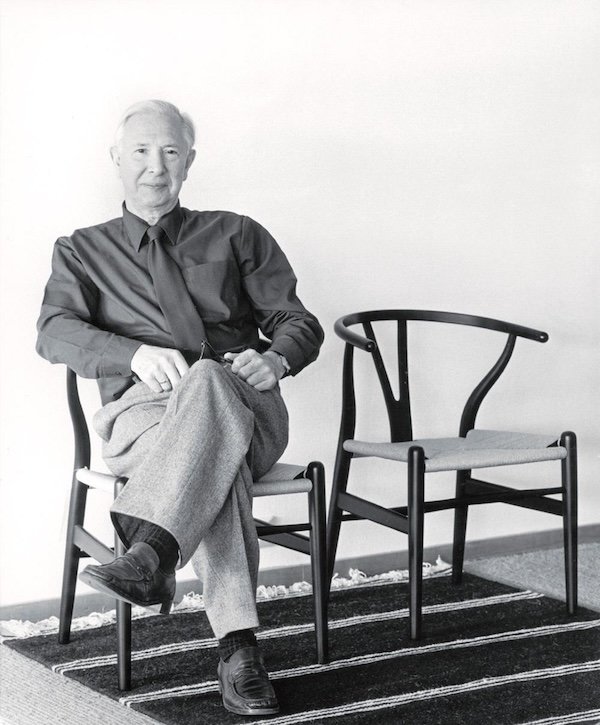
Hans J. Wegner with his CH24 Wishbone Chair, also known as the Y Chair

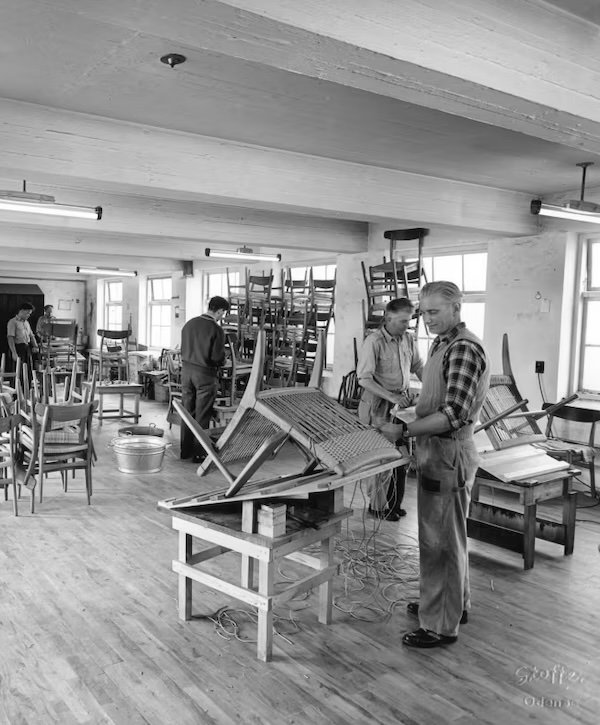
Historical photograph of chair production at Carl Hansen & Søn

CH22 to CH26: Five Wegner chairs for different living situations

The five First Masterpieces are closely linked, yet differ significantly in a number of respects. CH22 and CH25 were designed as lounge chairs, whilst CH23, CH24 and CH26 are intended for use at the dining table.

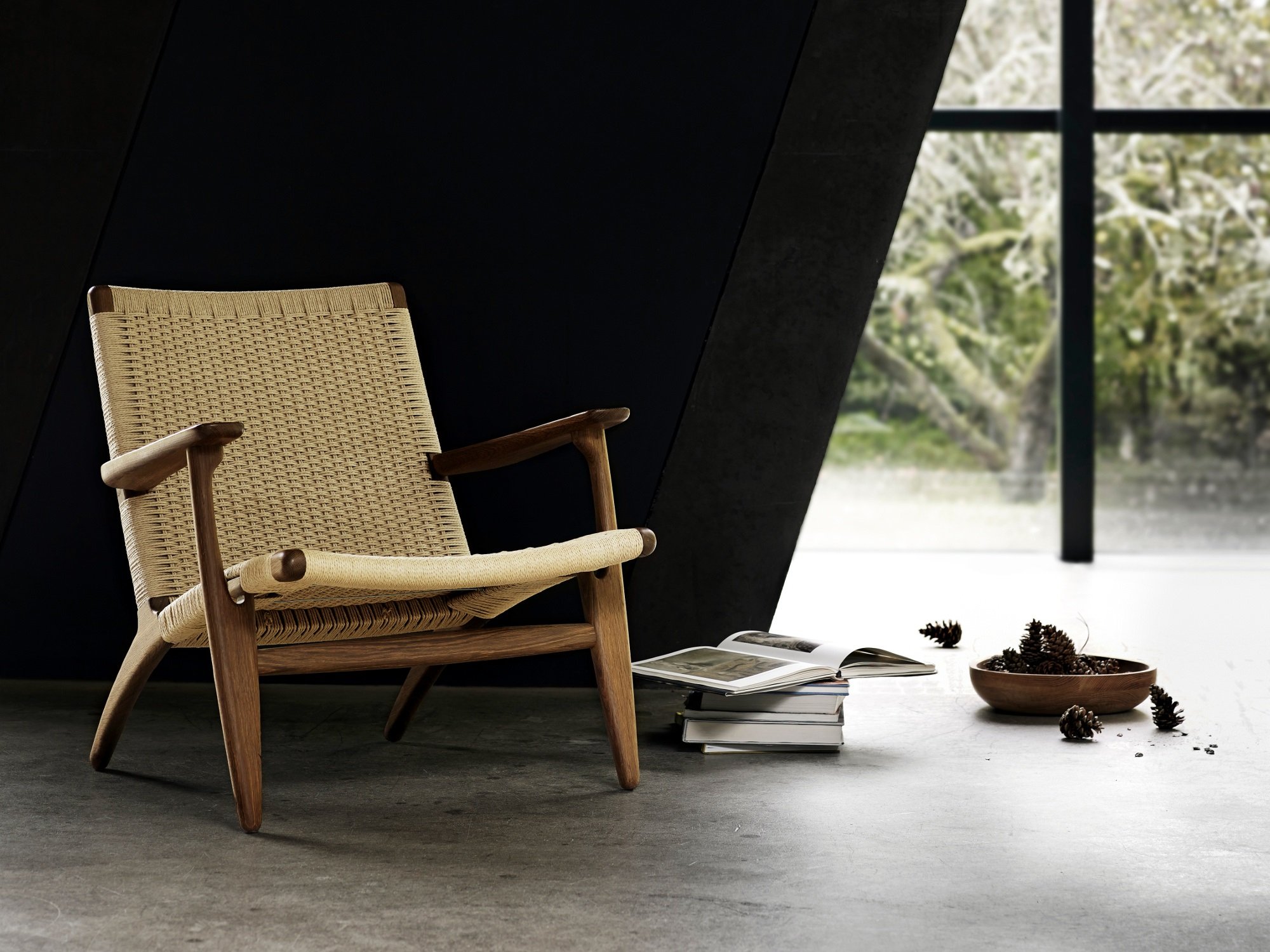
The CH22 is a compact lounge chair with a distinctive wooden frame construction. Its low seating position makes it an ideal standalone piece for living, reading and lounge areas. The large wooden backrest with exposed wooden joints and the hand-woven seat made from paper cord emphasise Wegner’s approach to design and craftsmanship. The front corners of the seat frame feature a distinctive design solution: here, the front legs are threaded through the handcrafted corner joints and connected to the seat frame.

CH22 Lounge Chair

The CH23 is designed as a dining chair. Its organically shaped wooden elements and the hand-woven, double-braided seat combine comfort with a light, sculptural appearance. Distinctive details such as the cross-shaped panels on the backrest and the curved rear legs highlight Wegner’s meticulously thought-out design.

CH23 Chair

The CH24 is the best-known model in the range and ranks amongst the most famous Danish design classics. Its comparatively lightweight construction makes it particularly versatile and ideal for use at the dining table. The characteristic Y-shaped back brace stabilises the steam-bent wood of the backrest and armrests. The hand-woven seat is manufactured from around 120 metres of paper cord. In total, more than 100 steps are required, the vast majority of which are carried out by hand.
CH24 Wishbone Chair

The CH25 is designed as a comfortable lounge chair with its generous seat and distinctive paper cord weave. The tapered legs and the seat that appears to float above the front legs give it a particularly light, elegant appearance. The seat and backrest are hand-woven using around 300 metres of paper cord.

CH25 Lounge Armchair

The CH26 was also designed in 1950, but was not produced at the time. It was not until 2016 that it was rediscovered based on Wegner’s original drawings and manufactured for the first time by Carl Hansen & Søn. Its design is reminiscent of the CH22, but its proportions are tailored for use as a dining chair.

CH26 Chair

Danish craftsmanship: What makes the First Masterpieces so durable

The understated appearance of the First Masterpieces makes it easy to forget just how labour-intensive their manufacturing is. Carl Hansen & Søn continues to manufacture these models to this day in Gelsted, on the island of Funen in Denmark, combining modern production methods with traditional craftsmanship. The interplay of high-quality natural materials, well-thought-out designs and meticulous craftsmanship contributes significantly to the longevity of Hans J. Wegner’s chairs.

Depending on the model and variant, woods such as oak, beech, walnut or mahogany are used. Wegner designed the chairs with a deep understanding of wood as a material. This is particularly evident in the CH24: The backrest and armrests are made from a single piece of solid, steam-bent wood. More than 100 manufacturing steps are required to manufacture it, many of which are still carried out by hand today.

The paper cord upholstery is also designed for long-term use. In the case of the CH25, around 400 metres of this cord is used for the seat and backrest. An experienced weaver takes around ten hours to complete the cordwork. This meticulously crafted cordwork is not only flexible and comfortable, but also exceptionally hard-wearing. If necessary, it can be replaced by Carl Hansen & Søn, meaning the chairs can continue to be used even after many years. It is therefore not only the quality of the materials that contributes to their longevity, but also the possibility of repairing or replacing individual components.
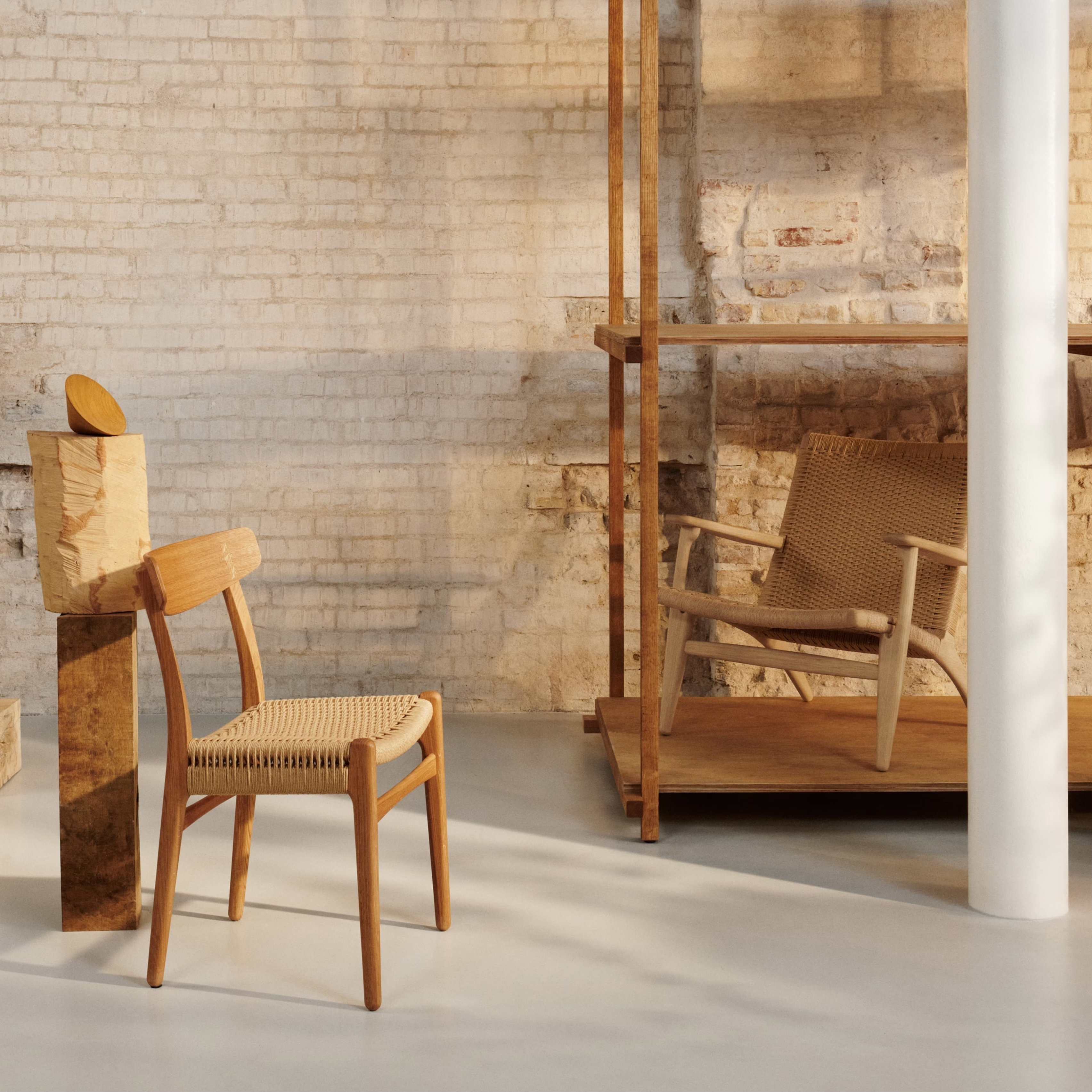
The CH25 Lounge Chair is one of Wegner’s earliest pieces of furniture and is predominantly handcrafted

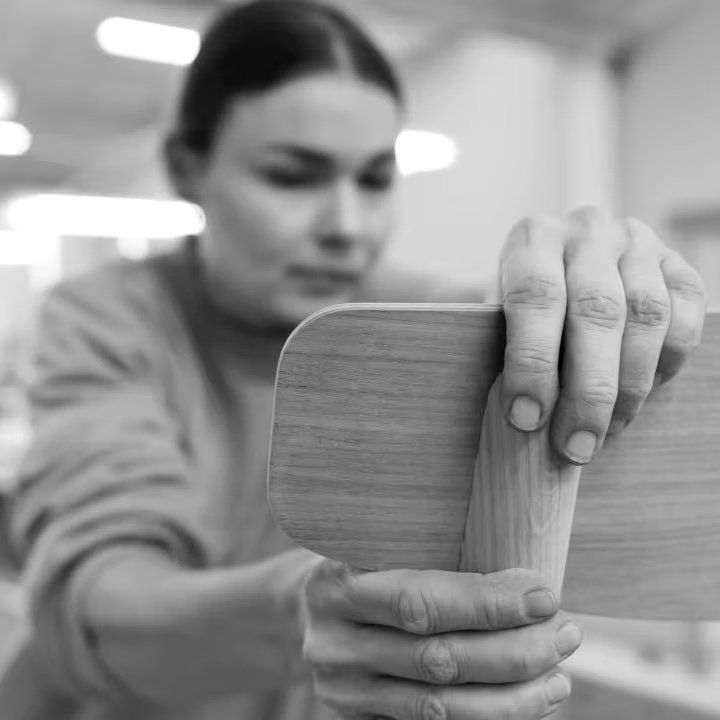
Precise craftsmanship: customising the distinctive backrest of the CH23 at Carl Hansen & Søn

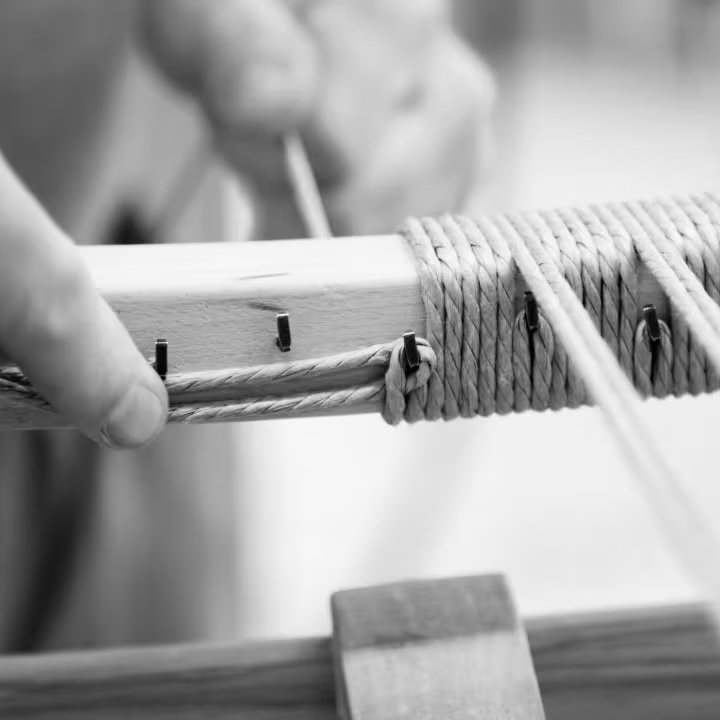
Masterful braiding: the precise threading of the paper cord at Carl Hansen & Søn

More about 'Hans J. Wegner' in our Journal

The Historia Supellexalis: "W" for Wegneritis

Wegneritis An Itch; A Compulsion; A Just One Good Chair Formally catalogued in the WHO International Classification of Diseases as MB23.W1, Wegneritis is a condition exclusive to furniture designers first recorded in Denmark where Jørgensen Wegner, a Hans by...

Hans J. Wegner: Designing Danish Modern @ Vitra Design Museum Schaudepot

...With the exhibition Hans J. Wegner: Designing Danish Modern the Vitra Design Museum Schaudepot explores the oeuvre of one of the Grand Doyens, and arguably one of the most widely misconstrued protagonists, of 20th century Danish design... But you simply cannot”1 opined Hans J. Wegner in 1952: and as if to prove his point designed over 500...

smow blog 2014. A pictorial review: April

...Away from Milan April 214 saw us get to know the work of Pascal Howe at the DMY Design Gallery Berlin, experience the full depth of the Thonet chair design history at the Grassi Museum Leipzig, the work of Ola Kolehmainen, Okolo Offline at Depot Basel and wish Hans J. Wegner a happy 100th!...

smow Journal Design Calendar: April 2nd 1914 – Happy Birthday Hans J. Wegner!

...Written by Christian Holmsted Olesen, the Designmuseum Danmark's head of exhibitions and collections, and largely based on video interviews recorded with Wegner before his death and interviews with those who knew, understood and worked with Wegner, Just one good chair not only documents Hans J. Wegner's journey from teenage carpentry apprentice to the Grand Doyen of 20th century Danish furniture design, but also contains a register of Wegner's works... However, read through the sickly sweet prose and Just one good chair provides a comprehensive and very informative overview of Hans J. Wegner's approach to his work and his understanding of his responsibilities...

5 New Design Exhibitions for April 2014

...Ola Kolehmainen – Geometric Light opens at Haus am Waldsee, Argentinische Allee 30, 14163 Berlin, Germany on Saturday April 5th and runs until May 17th "WEGNER - Just one good chair" at the Designmuseum Danmark, Copenhagen, Denmark Hans J. Wegner is one of the most important representatives of Danish modern design... And so punctually to his 100th Birthday the Designmuseum Danmark Copenhagen are presenting the largest, most in depth exhibition devoted to Hans J. Wegner and his oeuvre ever staged...


All 'Hans J. Wegner' Posts