










Products Rooms Manufacturers & Designers Highlights Offers Info Store
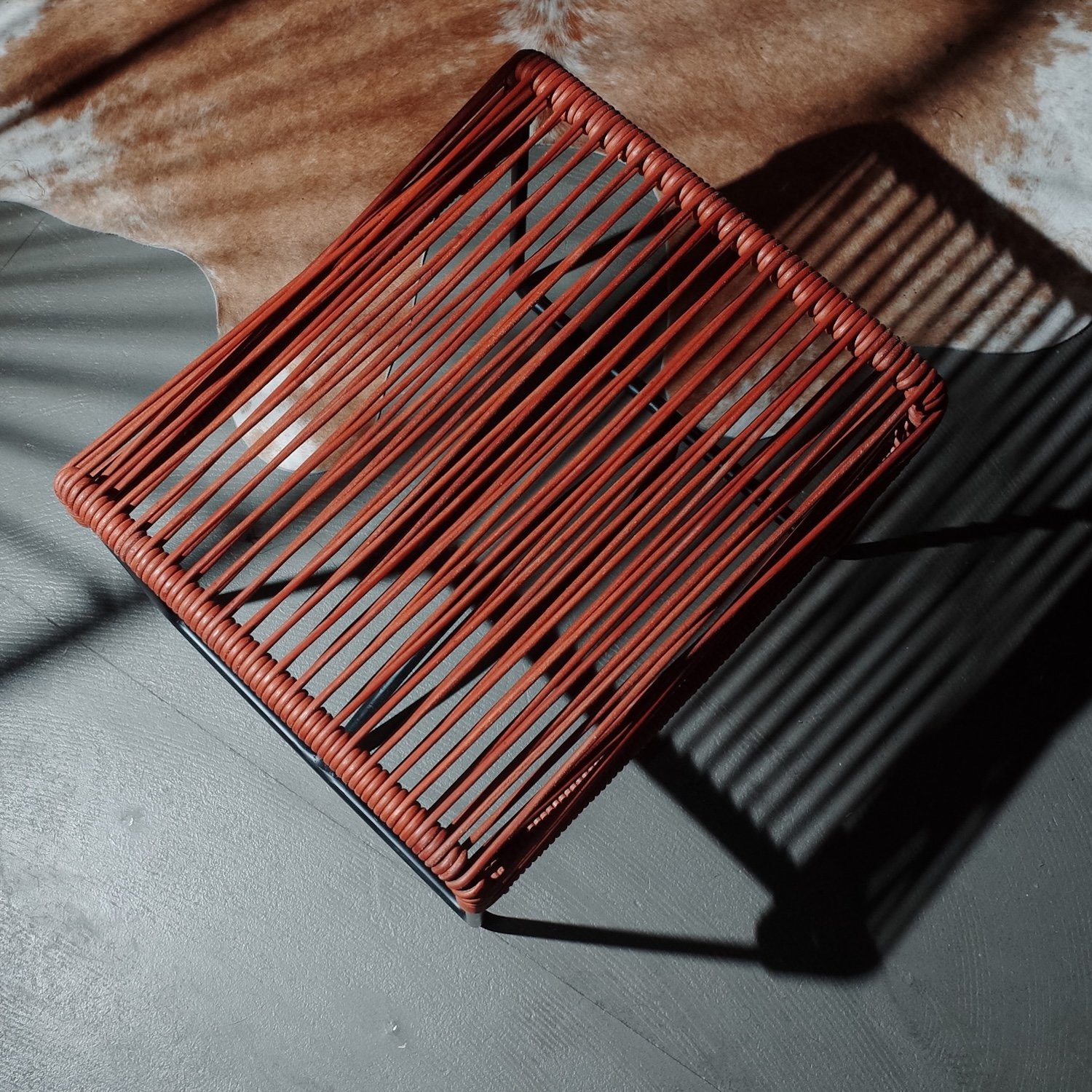
Wire Stool
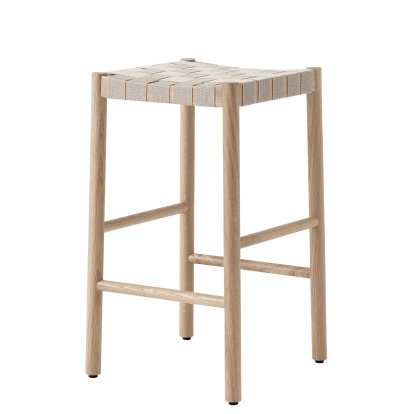
Betty Barstool

Stools, Ottomans & Pouffes – Small in Size, big on Impact

The stool is arguably the most underrated piece of furniture in modern interiors. Small in size but surprisingly versatile in its effect, it moves effortlessly between being functional and making a statement. Sometimes an ergonomic everyday companion, sometimes a minimalist seat, sometimes a sculptural feature in the room – the stool has long been more than just an extra seat. It is a functional design piece, a room accent and sometimes even the focal point of the interior.

► The DNA of the Stool – From Workshop Stool to Collector’s Item
► Top 5 Designer Stools
► Somewhere between a work of art and an eye-catcher – when a stool becomes iconic
► Versatile everyday heroes – stools for home, workplace and outdoor
► Impact on a room and areas of use – stools in context

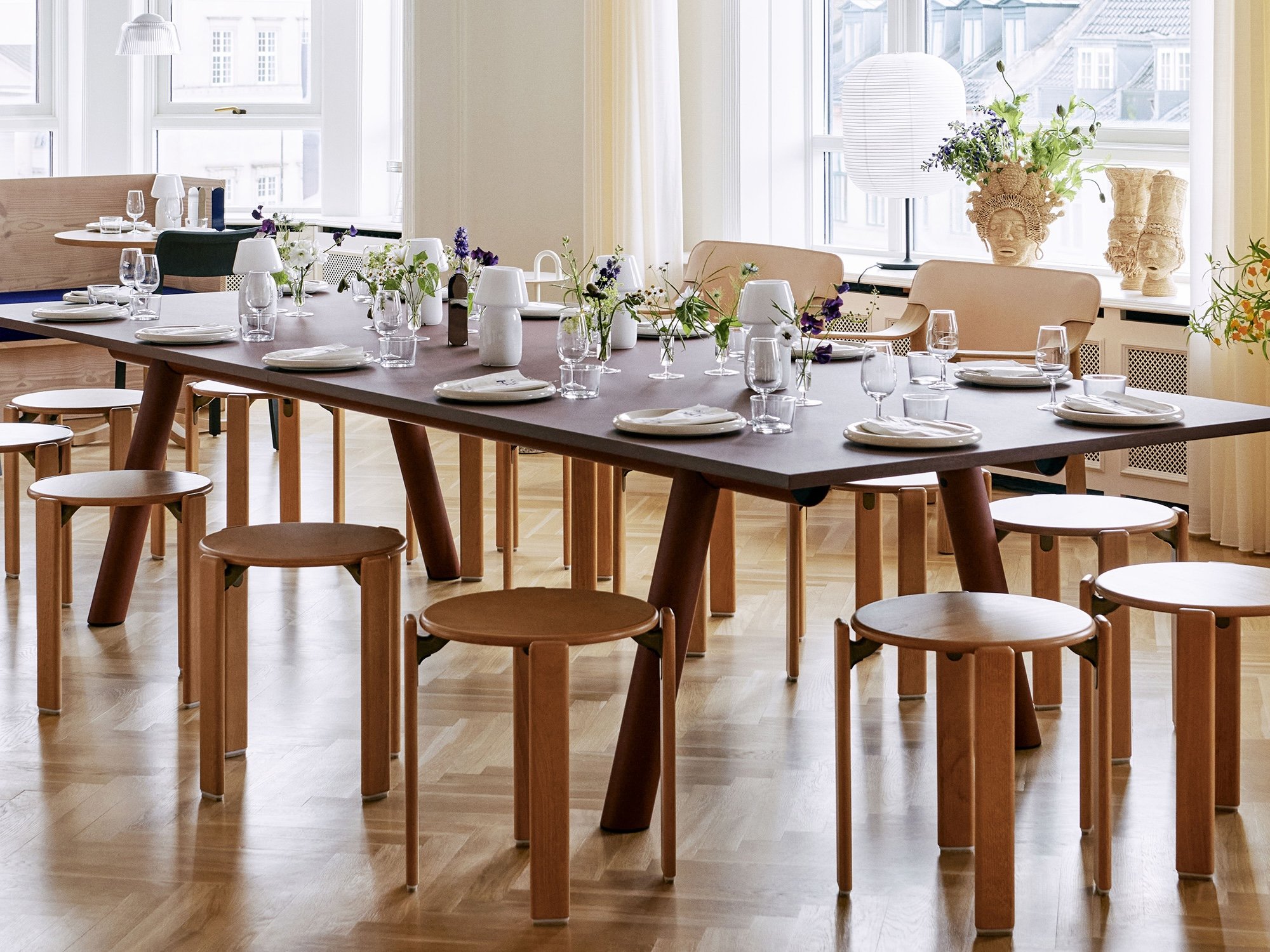
Also perfect for the dining table – the Rey stool by Hay

The DNA of the Stool – From Workshop Stool to Collector’s Item

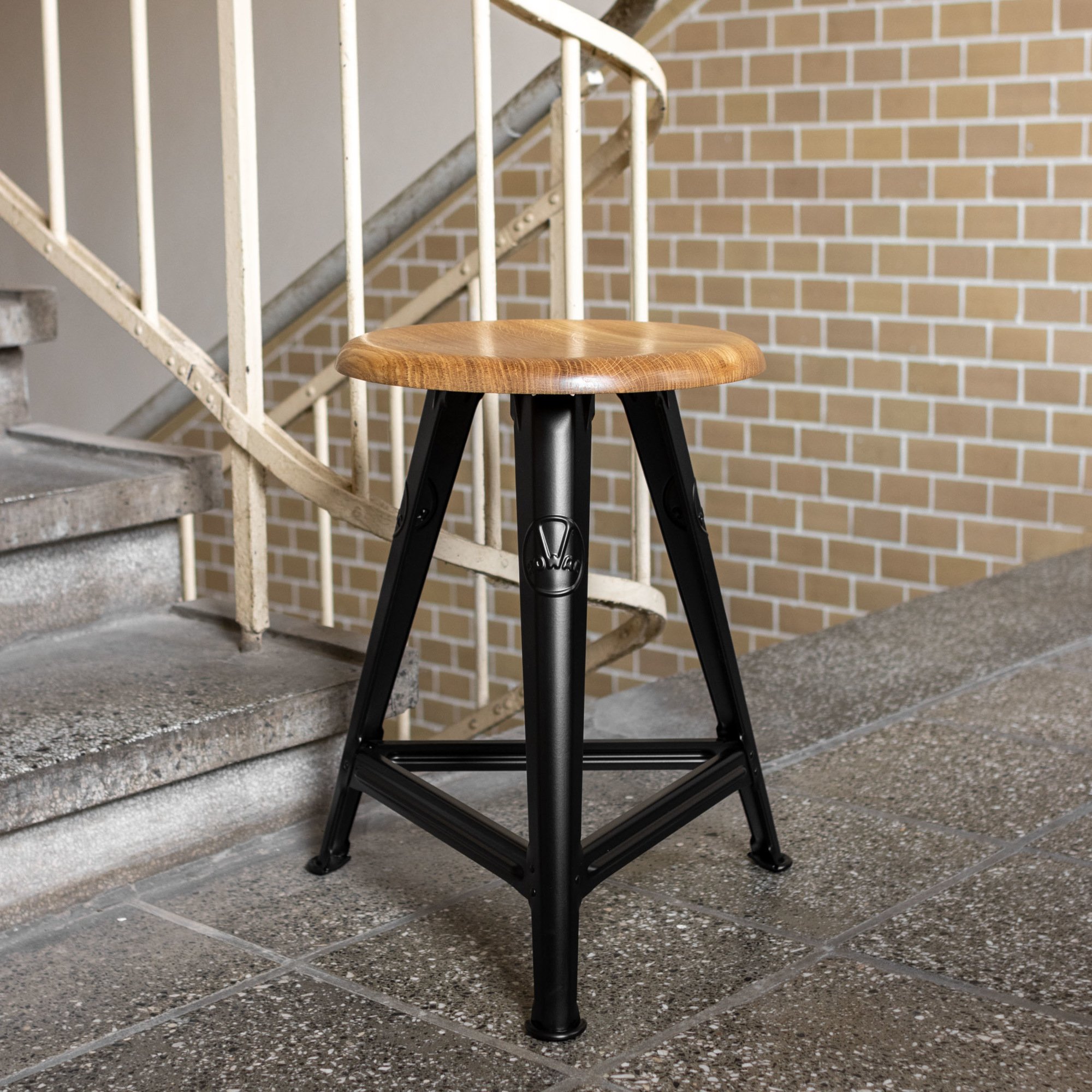
The DNA of the stool is closely linked to the history of modern design. Even the clean lines of the Bauhaus demonstrated how radical simplification can give rise to timeless functionality. Stools from this tradition, such as the Rowac stool, epitomise precision craftsmanship and a functional design language.

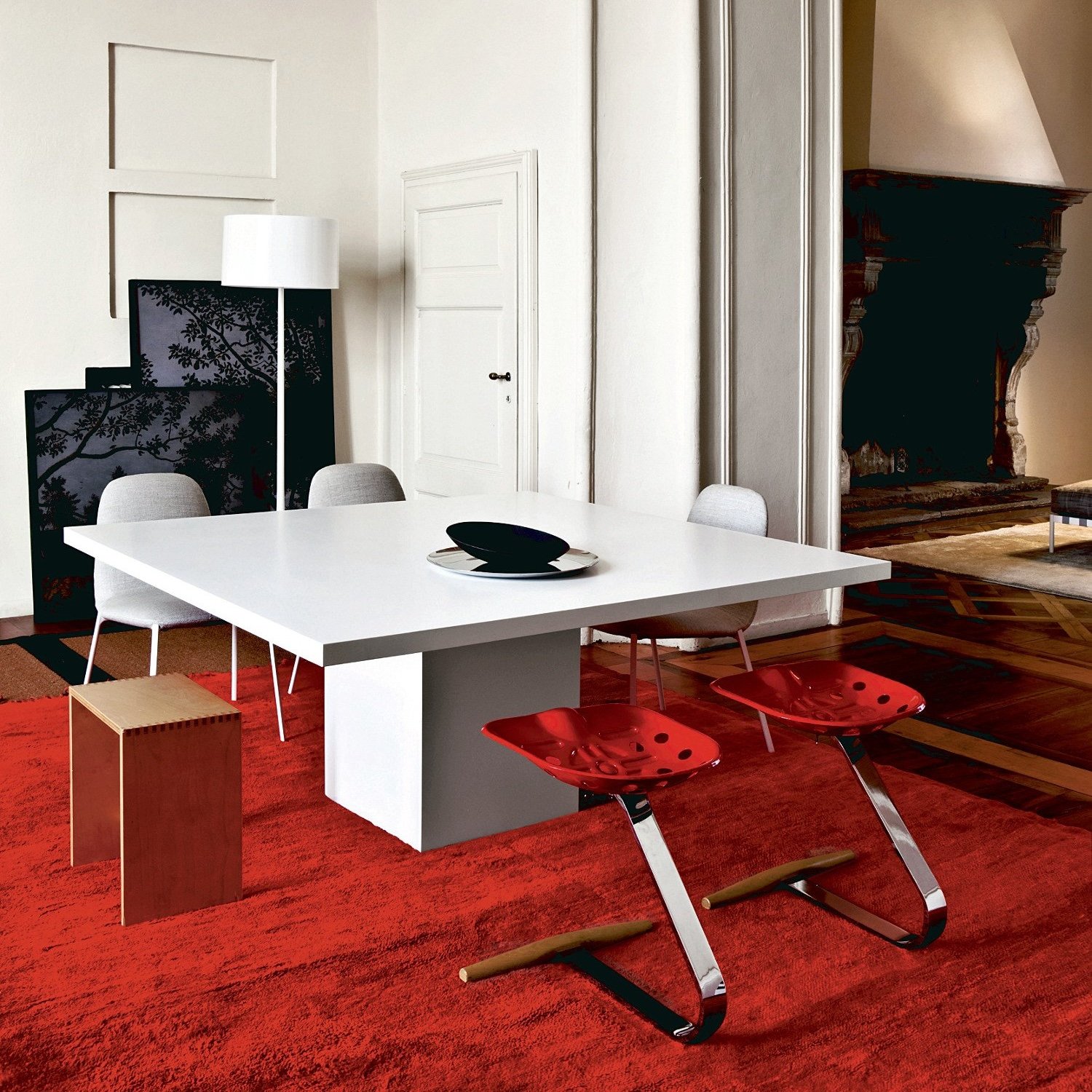
Alongside these are iconic designs by leading designers who have adapted the stool to different stylistic worlds – from strictly geometric to organically playful. The design history of the 1960s and 1970s, in particular, gave the stool new dimensions and a lightness that continues to have an impact today. One need only think of the Mezzadro stool by Achille & Pier Giacomo Castiglioni from 1957 – a revolutionary stool design that remains as playful as it is innovative to this day.

Contemporary manufacturers and designers are drawing on these traditions and developing them further. Innovative materials, sustainable production methods and experimental forms ensure that the stool remains a highly contemporary piece even today.

Ready-made à la Duchamp and one of Italy’s best-known design classics: the Mezzadro stool by Zanotta

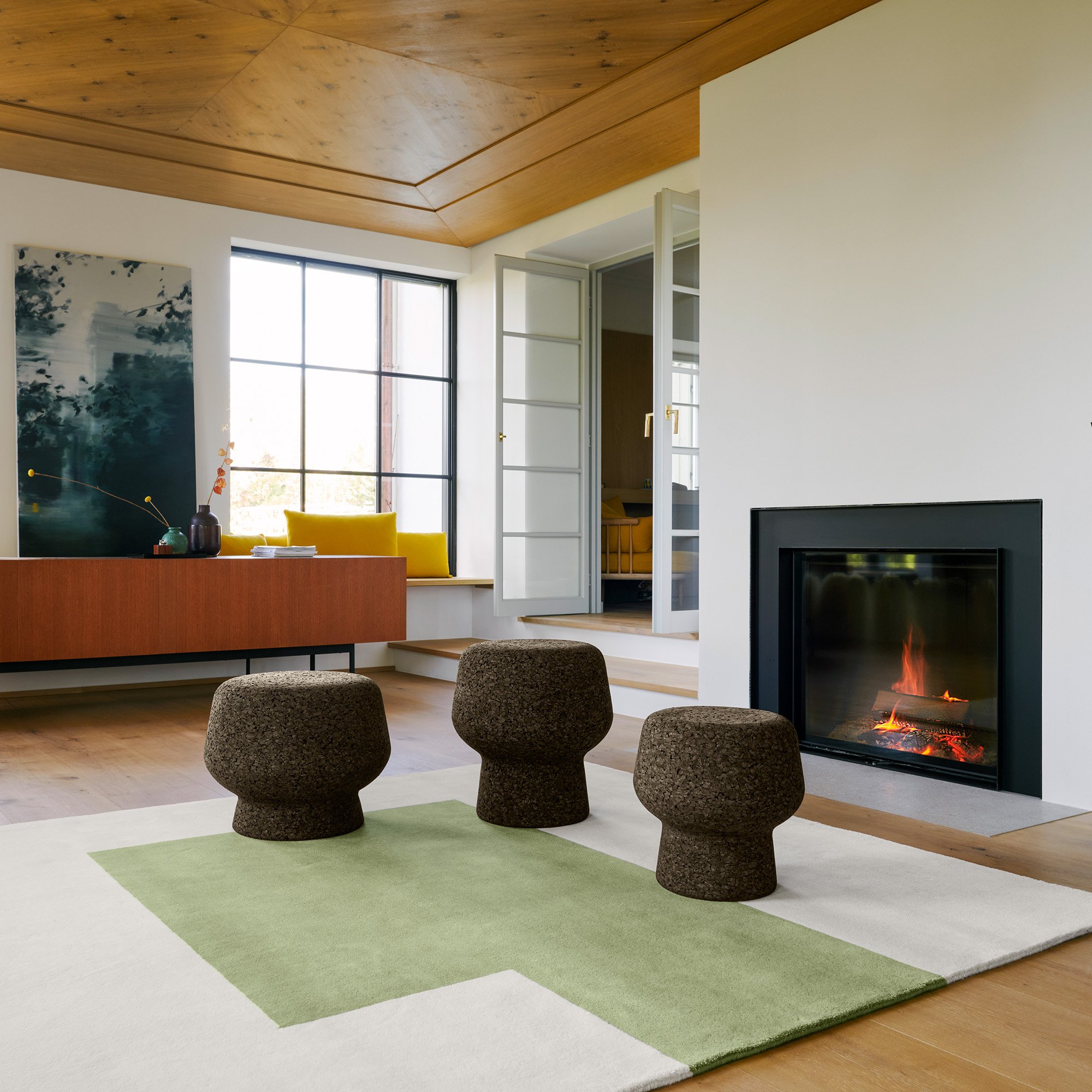
A minimalist stool design by Herzog & de Meuron, reminiscent of a champagne cork: the Corker stool by ClassiCon

Top 5 Designer Stools

Some stools have made design history and are now among the world’s best-known furniture classics. At the same time, new designs are constantly emerging that impress with innovative materials, sustainable concepts and a contemporary aesthetic. Whether an iconic classic or a modern design piece – high-quality designer stools combine aesthetics, functionality and durability, adding stylish accents to living and working spaces.

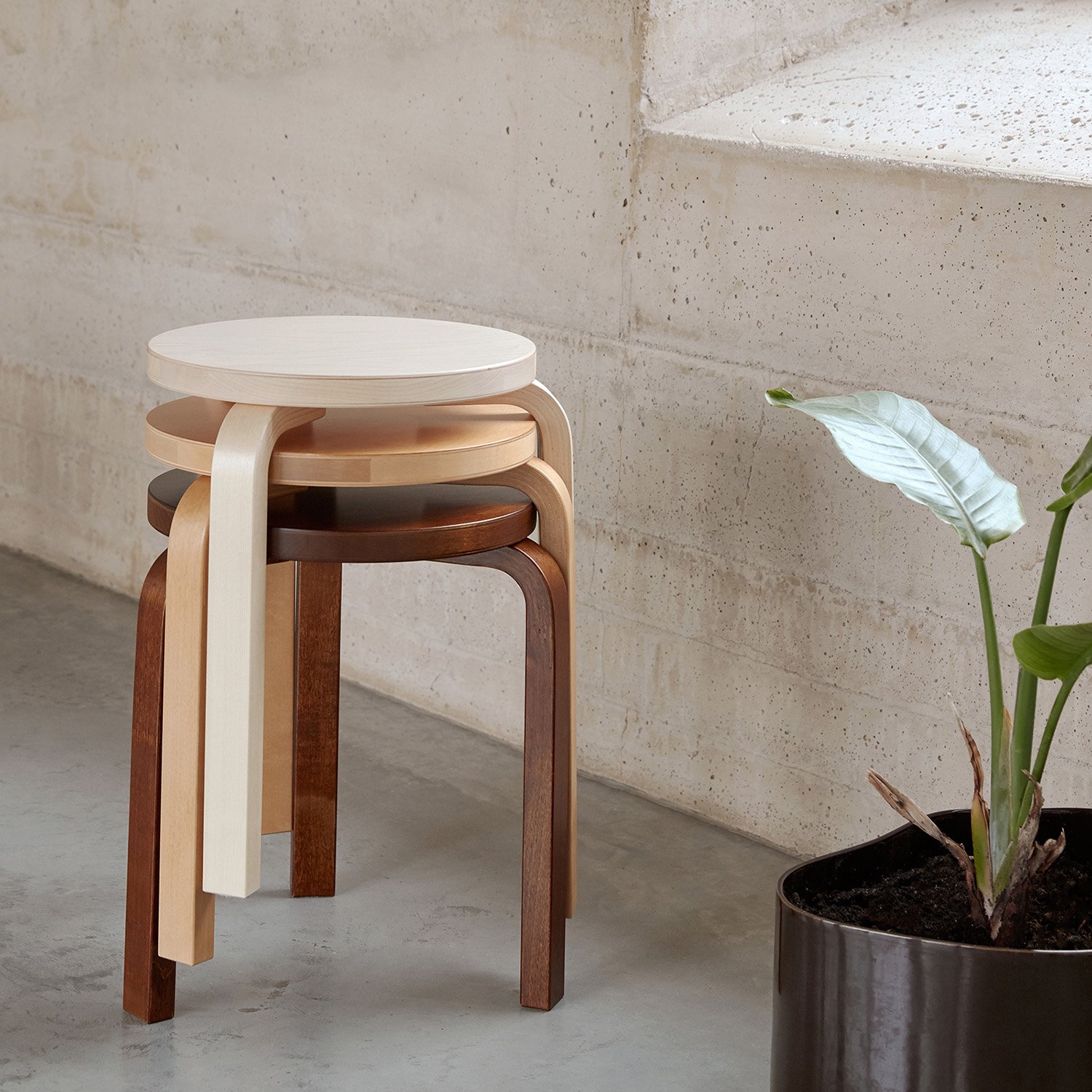
A timeless design classic by Alvar Aalto: the Stool 60 by Artek

Stool 60 – Alvar Aalto

A classic of Scandinavian design. Its stackable design and distinctive wooden legs have made the Stool 60 one of the world’s most successful stools since 1933.

Practical, indestructible, honest: a reissued Rowac stool from Chemnitz

Rowac Stool – Karl Robert Wagner

Designed in 1909 by Karl Robert Wagner, the Rowac stool enjoyed a revival some 80 years later. Its functional design and robust construction have remained timeless.

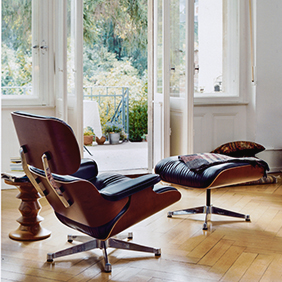
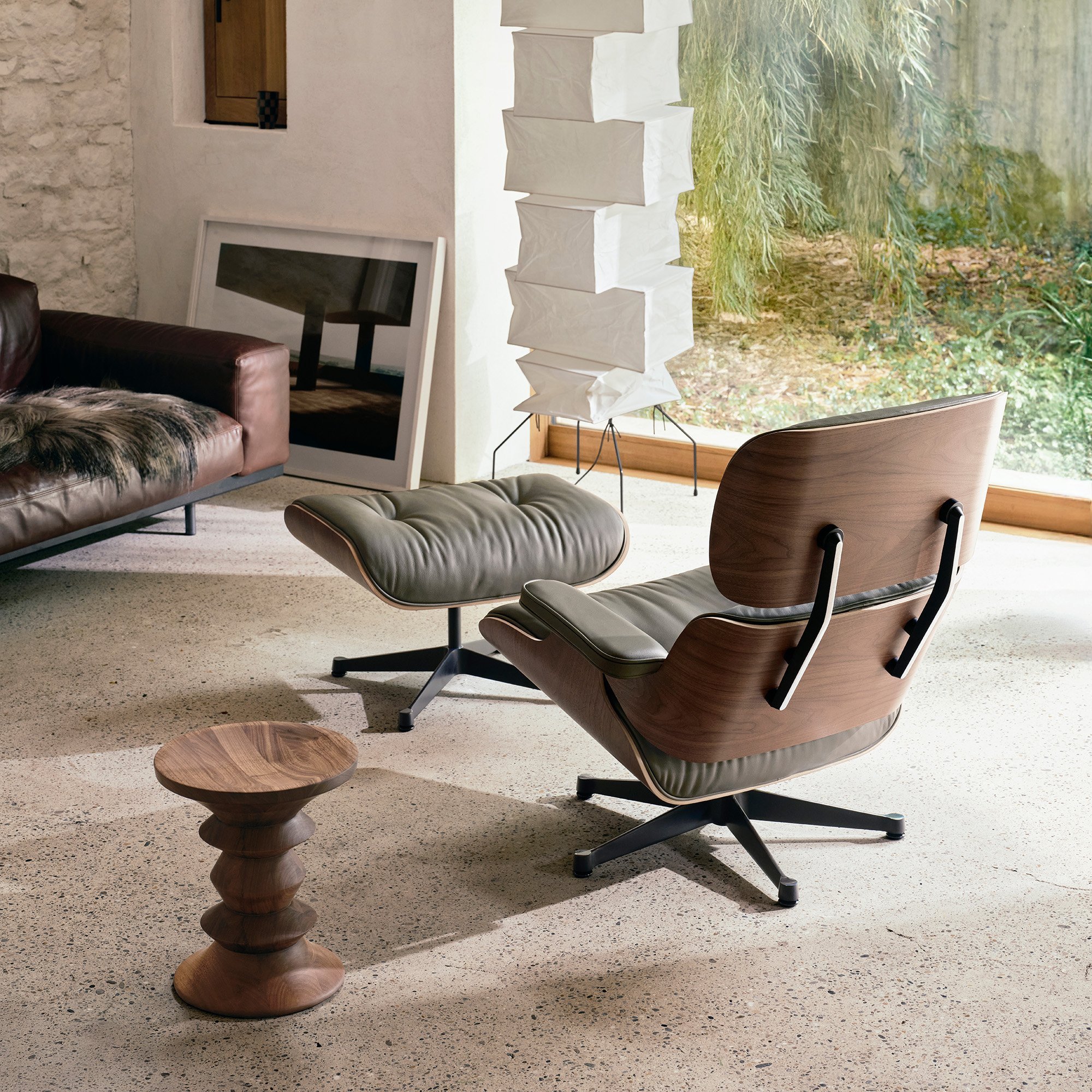
The perfect complement to the legendary Eames Lounge Chair: the Eames Lounge Chair Ottoman by Charles Eames and Ray Eames

Eames Lounge Chair Ottoman – Charles and Ray Eames

Designed to complement the Lounge Chair, the Eames Lounge Chair Ottoman epitomises comfort, elegance and timeless cosiness.

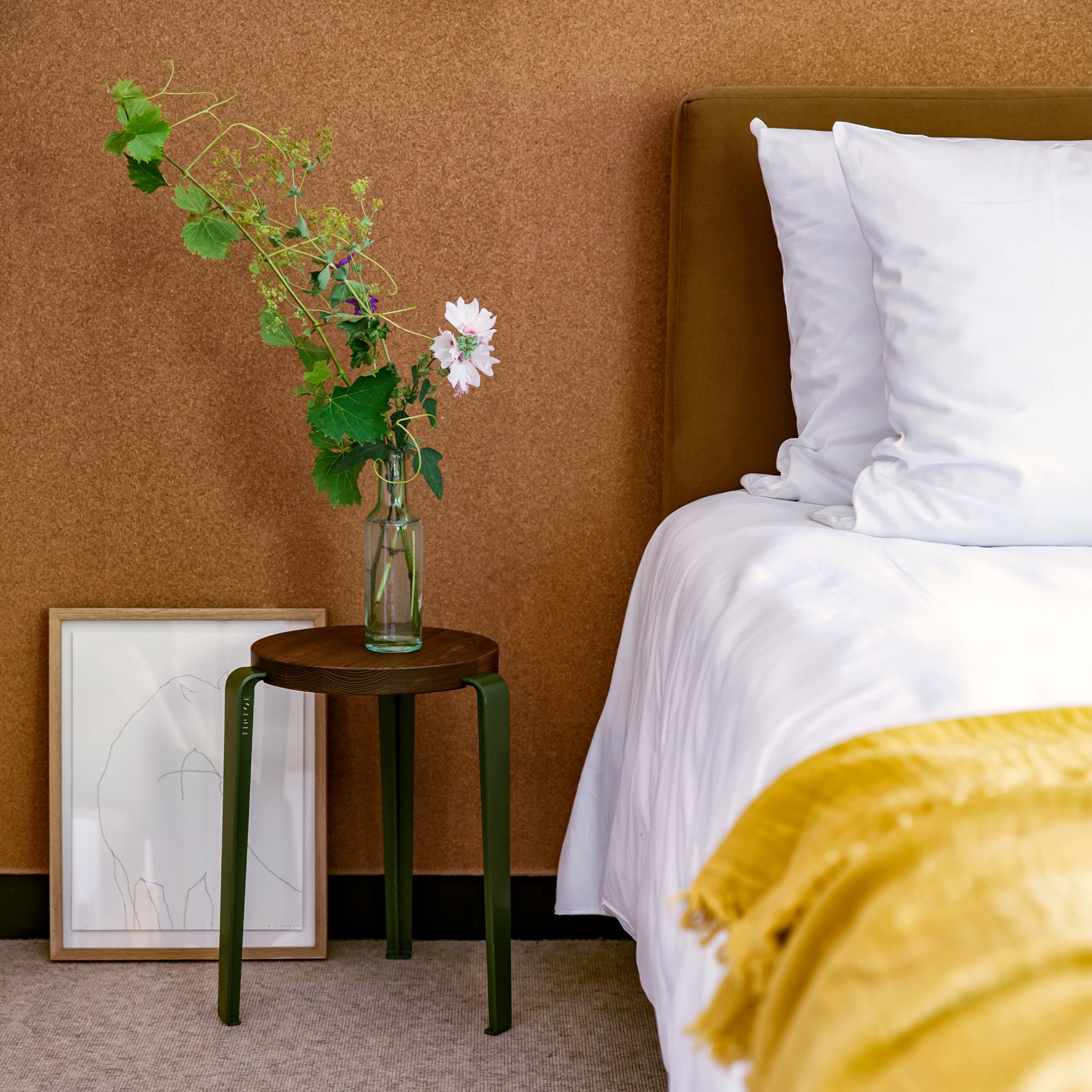
The Lou stool by Tiptoe: exceptionally versatile and attractive

Lou Stool – Grégory Cibert

Compact, versatile and customisable: the Lou stool by Tiptoe combines colourful design options with a sturdy construction made from solid wood and steel.

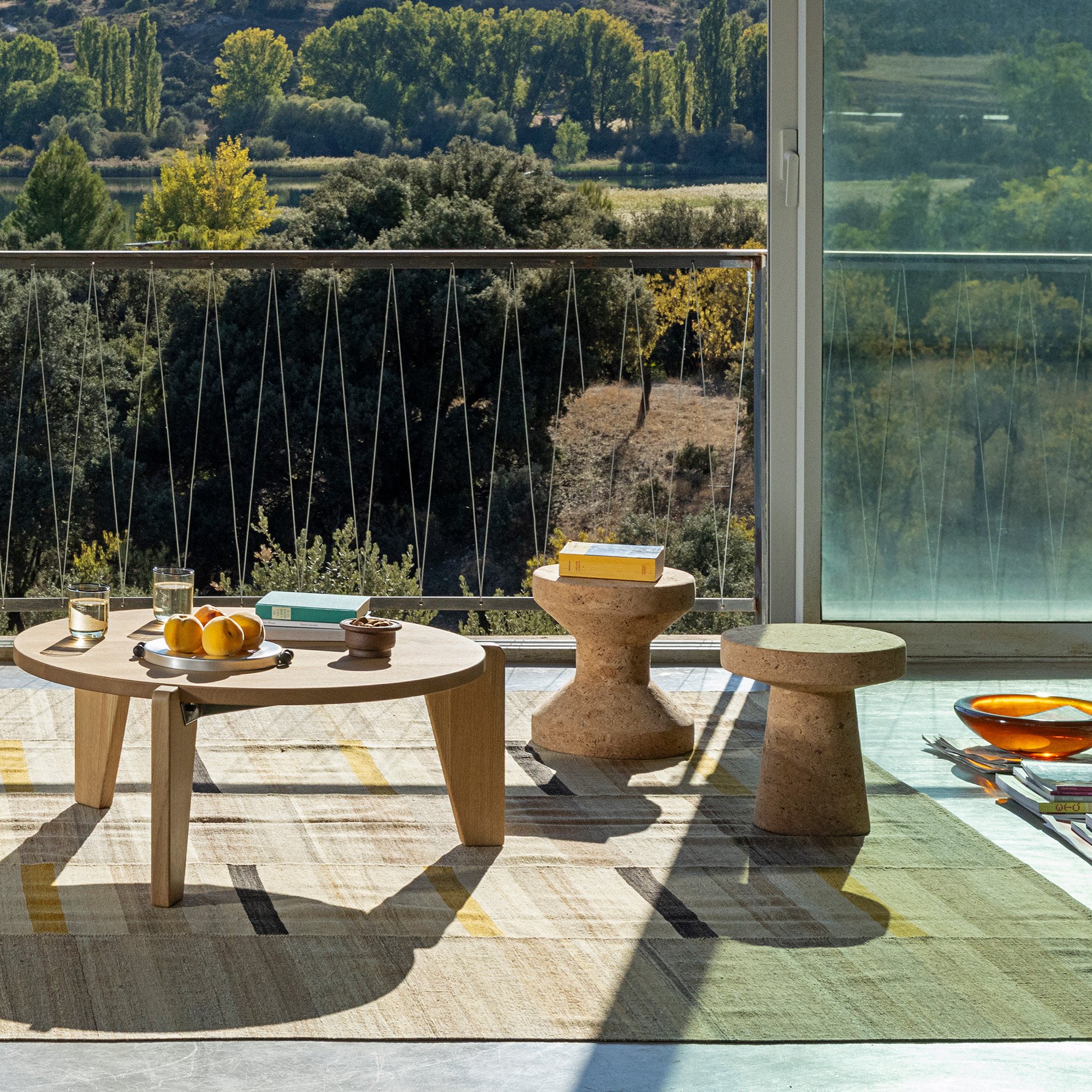
Cork Family Stool by Jasper Morrison

Cork Family Stools – Jasper Morrison

The Cork Family stools by Vitra stand out thanks to their clear material concept: these small stools and side tables made of cork are sturdy, lightweight and pleasantly soft to the touch. Designed by Jasper Morrison, they offer an unconventional alternative to classic side tables and are available in various shapes.

Somewhere between a work of art and an eye-catcher – when a stool becomes iconic

As well as its functional side, the designer stool also exists purely as a statement piece. Some designs deliberately push functionality into the background, focusing instead on making the biggest possible impact in the room. These stools look like small sculptures – unconventional, surprising and often creating a stark visual contrast with their surroundings.

Other models play with perception: is this even a stool anymore, or has it become an object that straddles the line between furniture and art? Bright colours, unusual proportions or almost ironic shapes deliberately defy expectations and turn the stool into a conversation starter.

Some of these designs, such as the Eames Stools or the Stone Stool by Kartell have long since achieved iconic status. They are instantly recognisable and are regarded as key reference points in modern furniture design – small objects with a major cultural presence.

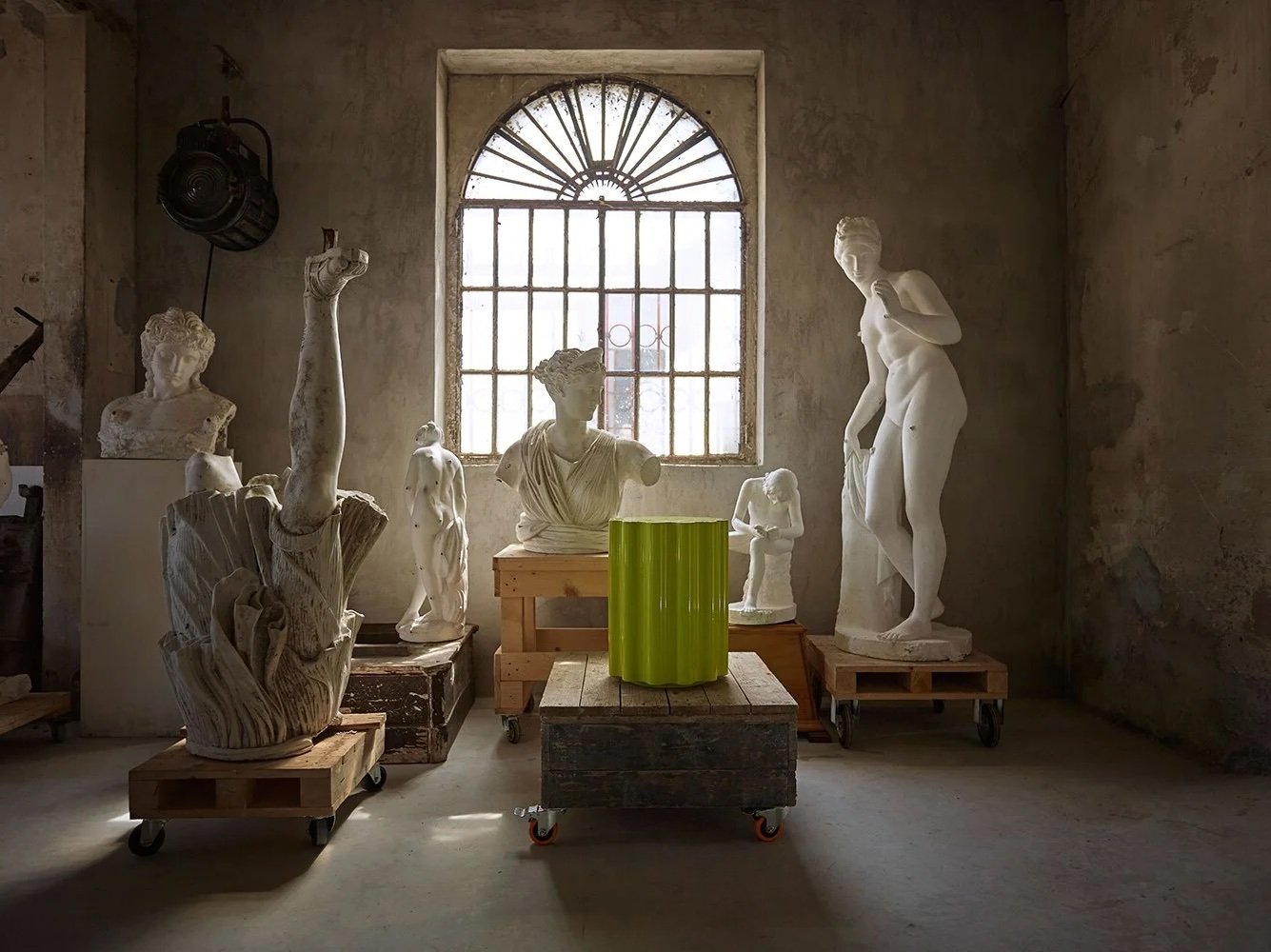
Sculptural seating in the shape of a column: the Colonna stool by star architect Ettore Sottsass

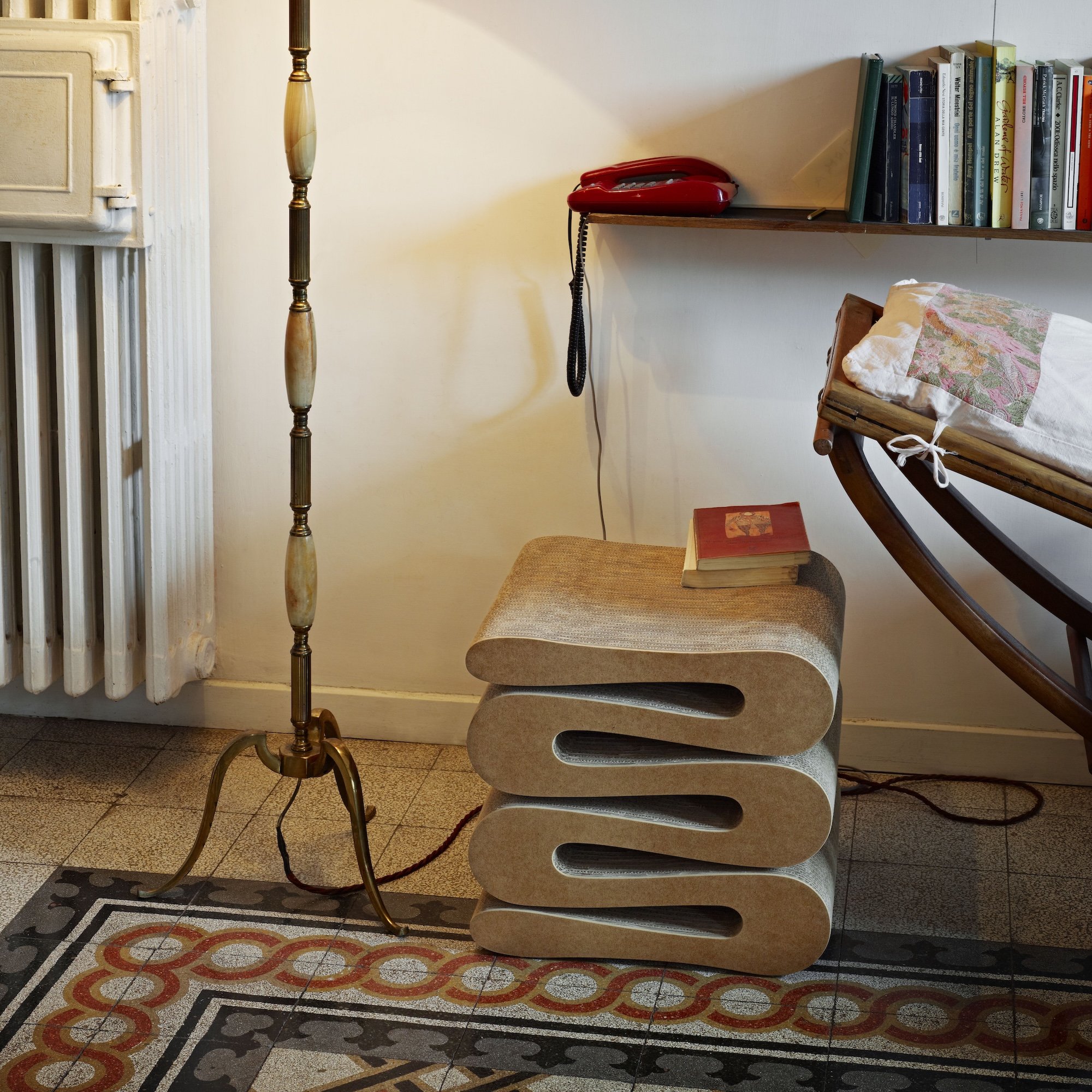
A distinctive, curved shape made from layered sheets of corrugated cardboard: the Wiggle stool by Frank Gehry

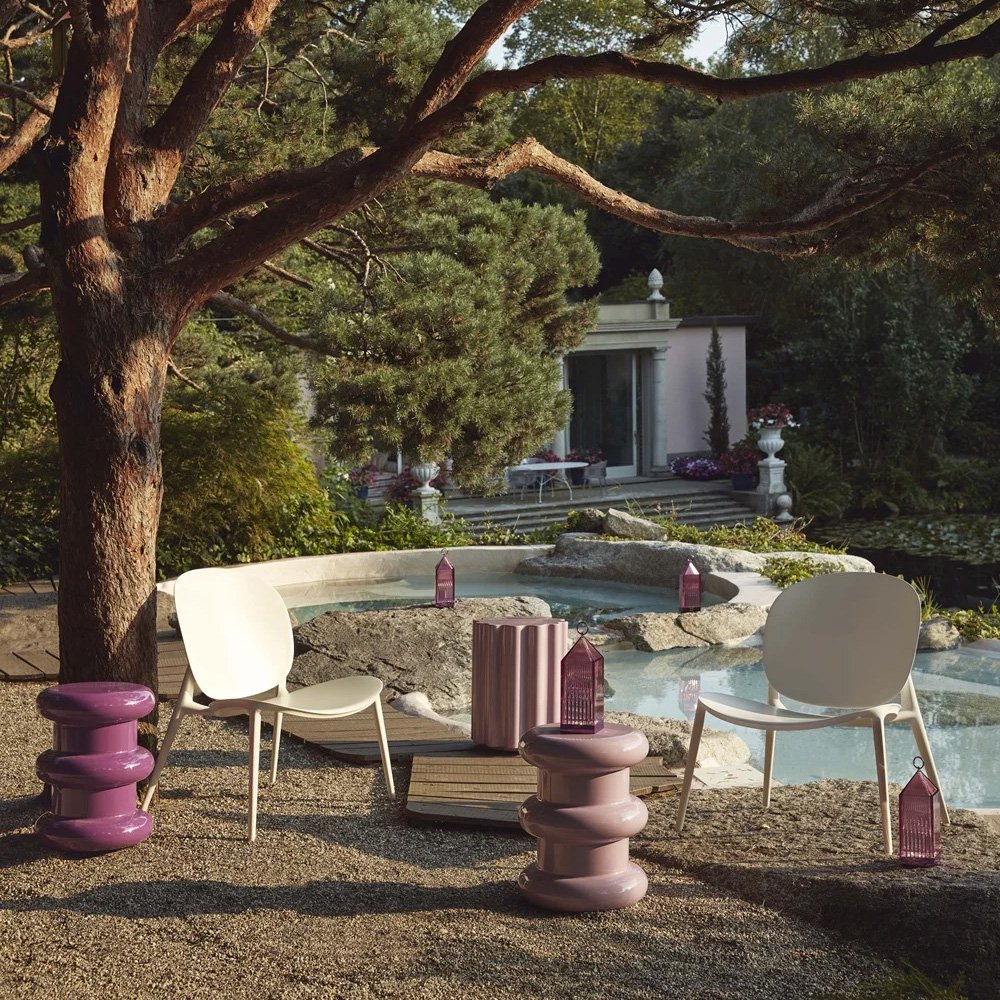
A striking accent for outdoor spaces too, with the Pilastro footstool by Kartell

Versatile everyday heroes – stools for home, workplace and outdoor

However varied the design may be, their functional versatility remains constant. The designer stool is often a true all-rounder. Many models can be used flexibly as seating, a storage surface or a side table, thereby responding directly to the demands of everyday life.

The ottoman, in particular, plays a role all of its own. As an elegant addition to lounge chairs or sofas, it creates seamless transitions between sitting and reclining and becomes a central element of relaxed living.

In addition, there are particularly clever solutions specifically designed for comfort, ergonomics or practicality. Whether as a compact step stool, a mobile seat for dynamic work environments or a soft pouffe for informal living areas – the stool adapts rather than dictating.

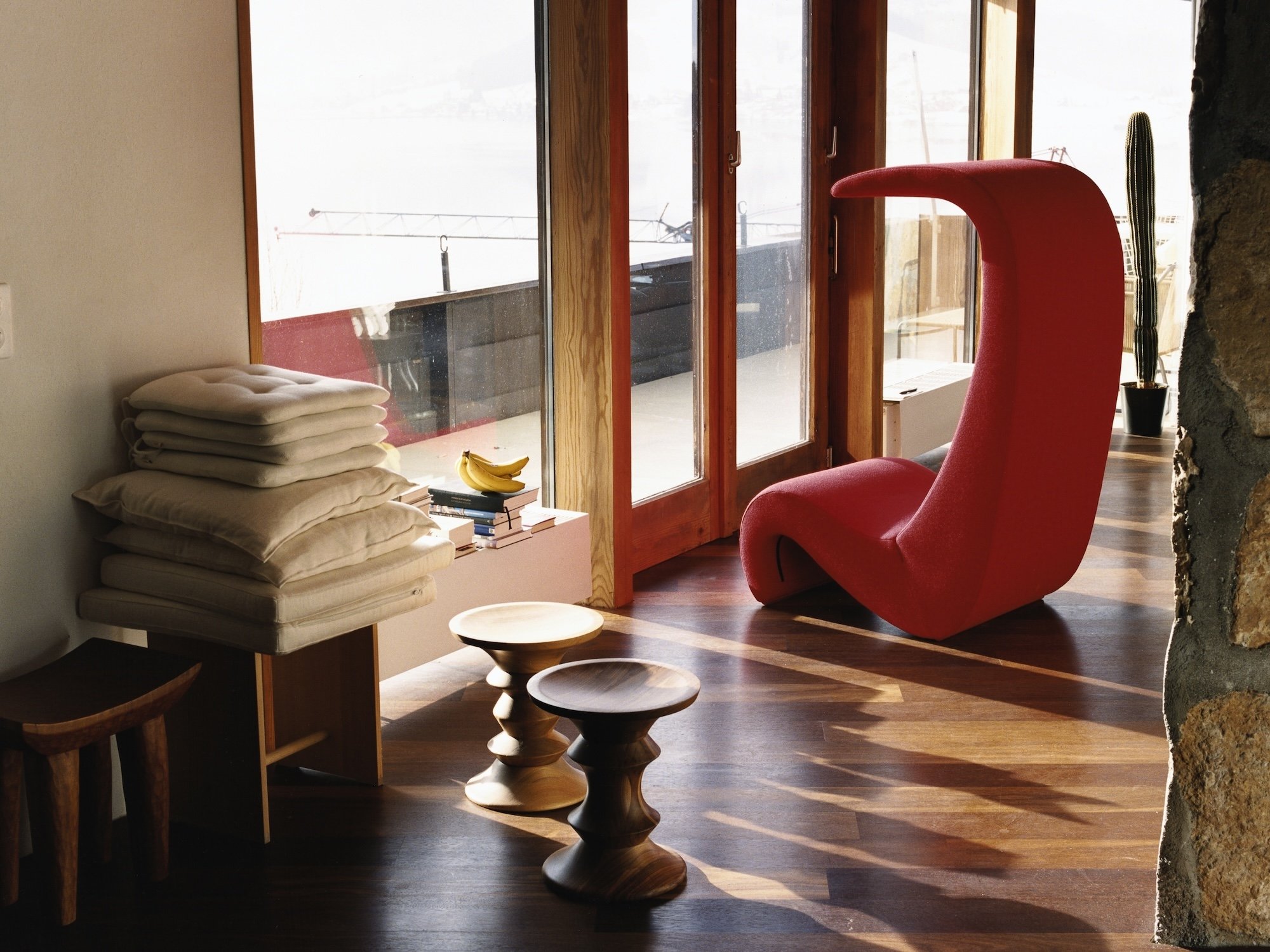
Characterful stools and occasional furniture for the living room: the Eames Stools by Vitra

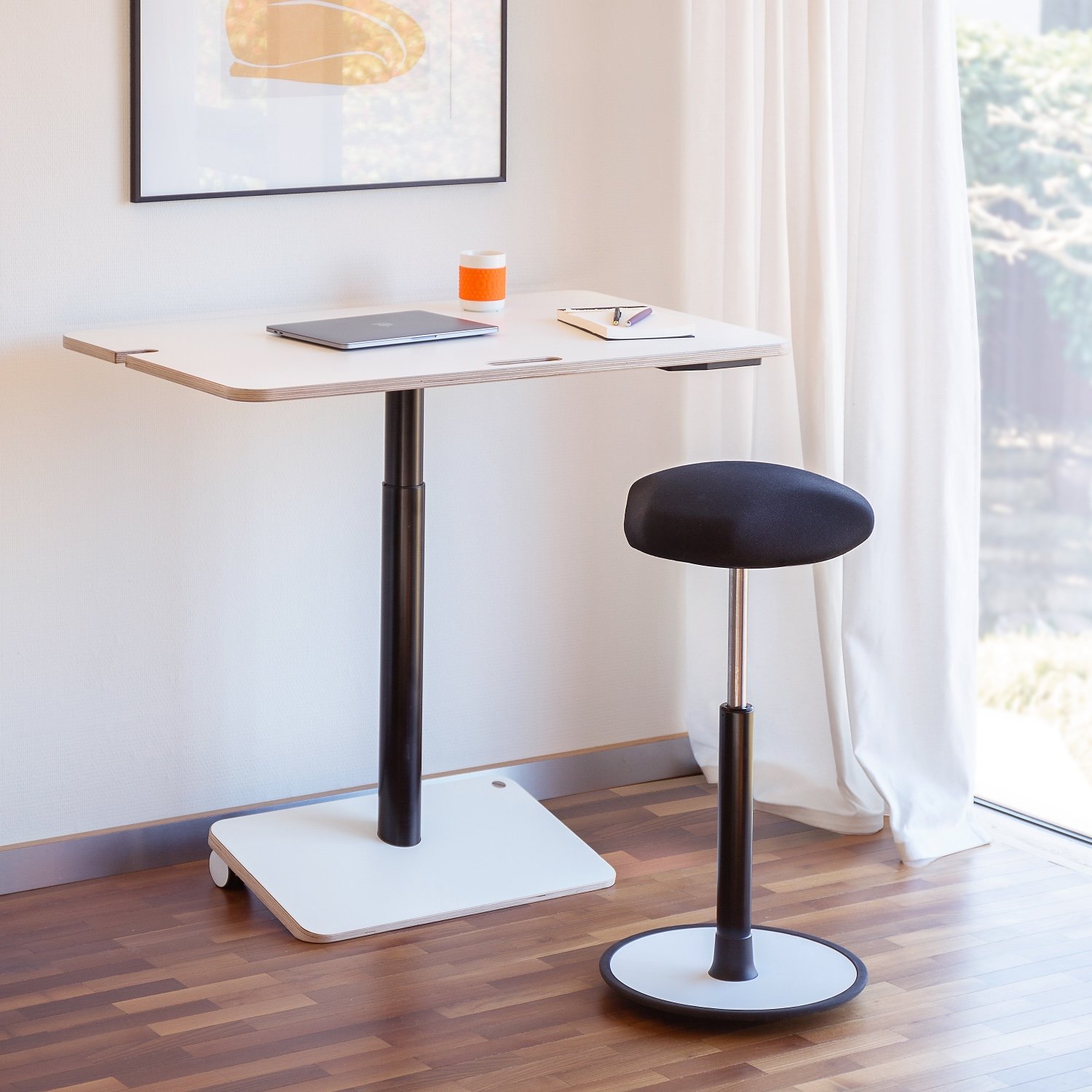
Ergonomic and comfortable in the workplace: the Ongo Free Triangel stool promotes back health

The perfect footstool to go with the Acapulco Chair: Acapulco Outdoor Footstool

Impact on a room and areas of use – stools in context

This designer stool really comes into its own wherever flexibility is required. In the living room, it quickly becomes an extra seat; when paired with a sofa and armchair, it complements the arrangement or slips discreetly under the table.

It also demonstrates its practical side in the dining area when more seating is needed at short notice. On the terrace or in outdoor spaces, it becomes a mobile design element that adds a touch of style without dominating the space. The stool is particularly interesting in transitional areas: in hallways, narrow entrance halls or unused alcoves. Here, it demonstrates its ability to enhance challenging floor plans and make even the smallest spaces both functional and aesthetically pleasing.

In creative work environments, studios or galleries, it plays a discreet yet important role as a flexible seating solution. And in prestigious spaces – such as law firms, lobbies or executive suites – it becomes a subtle expression of style and design quality.

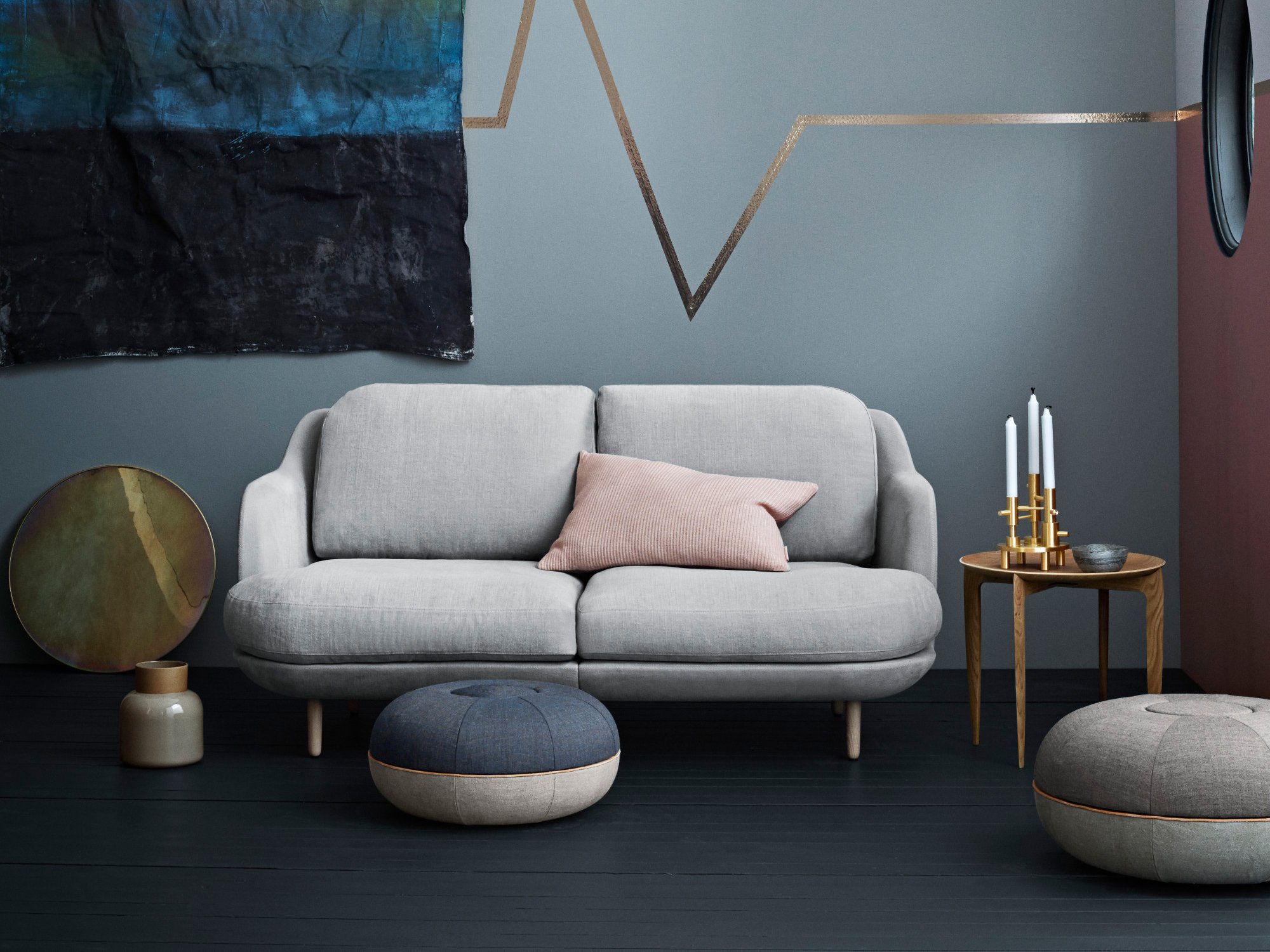
A perfect interplay of colours and materials in the living room: the Objects Pouf by Fritz Hansen

More about 'hocker' in our Journal

The Historia Supellexalis: "R" for Rowac

Rowac A Rivet; A Crimp; A Schemel According to the Trabant Sagas, a component of the Erzgebirge Hoard, that earliest of all documentations of life in the contemporary Sachsen, the Rowac was developed by a Wagner by the name of Robert, a young man who although...


All 'hocker' Posts