
- Shelves & Cabinets
- Bookshelves
- Wall Mounted Shelving
- Sideboards & Commodes
- Multimedia Units
- Side & Roll Container
- Bar Furniture
- Wardrobes
- Occasional Storage
- Components
- ... all Storage














Women in Design
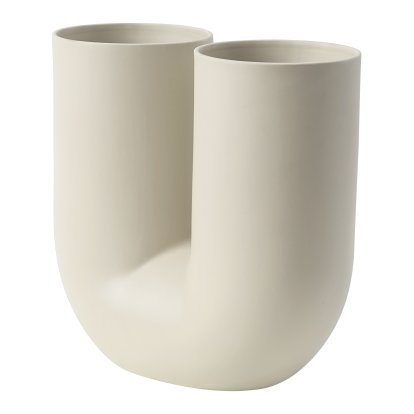
Women in design
► Pioneers: The most important female furniture designers of the 20th century
► Contemporary Design: The most important contemporary female furniture designers
Did you know that some of the most successful furniture designs were created by women? The world of furniture design has been significantly influenced by a number of visionary women who have made an impression with their personalities, innovations or circumstances, but often only quietly. It is often not known to what extent a woman has designed a work of art or piece of furniture, or to what extent she has contributed to the creative process.
Gone are the days when Charlotte Perriand introduced herself to Le Corbusier and Pierre Jeanneret in 1927 and was dismissed with the words "We don't embroider cushions here!", may be a thing of the past, but female designers still often stand in the shadow of their male colleagues and do not receive the recognition they deserve.
It is time to honour the achievements of female design pioneers. That is why we are introducing you to some of the most important female designers and their contribution to the history of furniture design.
Pioneers: The most important female furniture designers of the 20th century
The history of modern furniture design would be inconceivable without the contributions of numerous female designers. They shaped styles, broke with conventions and set new standards in terms of functionality, use of materials and aesthetics – often against considerable resistance in a male-dominated industry. The following pioneers of the 20th century made design history with their visionary designs and bold ideas.
► Aino Aalto
► Anna Castelli-Ferrieri
► Charlotte Perriand
► Dorothee Becker
► Florence Knoll
► Eileen Gray
► Kajsa Strinning
► Lilly Reich
► Ray Eames
Aino Aalto (1894–1949)
"There are two things in architecture: humanity or nothing."
Aino Aalto (1894-1949), née Marsio, was a Finnish architect and designer who had a significant influence on Scandinavian design with her clear, functional designs and her vision of a modern lifestyle. After studying architecture at the Technical Institute in Helsinki, Aino Aalto worked for Gunnar Achilles Wahlroos and Alvar Aalto, whom she married in 1925. Together with Alvar Aalto, she founded the company Artek in 1935, a platform that brought modern design from Finland to the rest of the world. Aino Aalto's product designs, such as the iconic glassware series from 1932, which is still produced by Iittala today, as well as her furniture designs and interior designs, demonstrate her sensitivity to materials and forms and are now an integral part of Scandinavian design heritage. This designer's work is not only a testament to her creativity, but also to her courage as a woman in a male-dominated world to innovate and forge her own path.
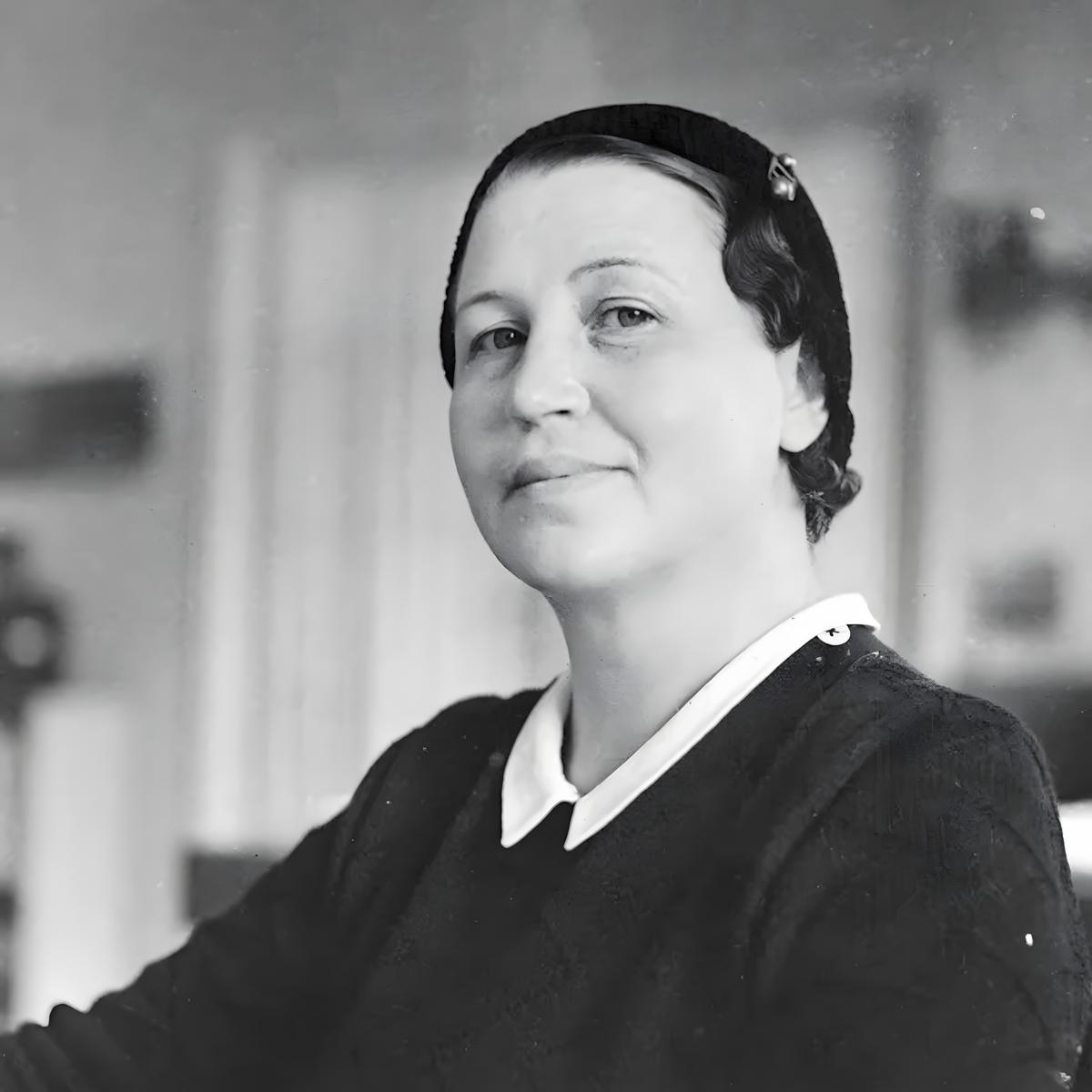
Designer Aino Aalto
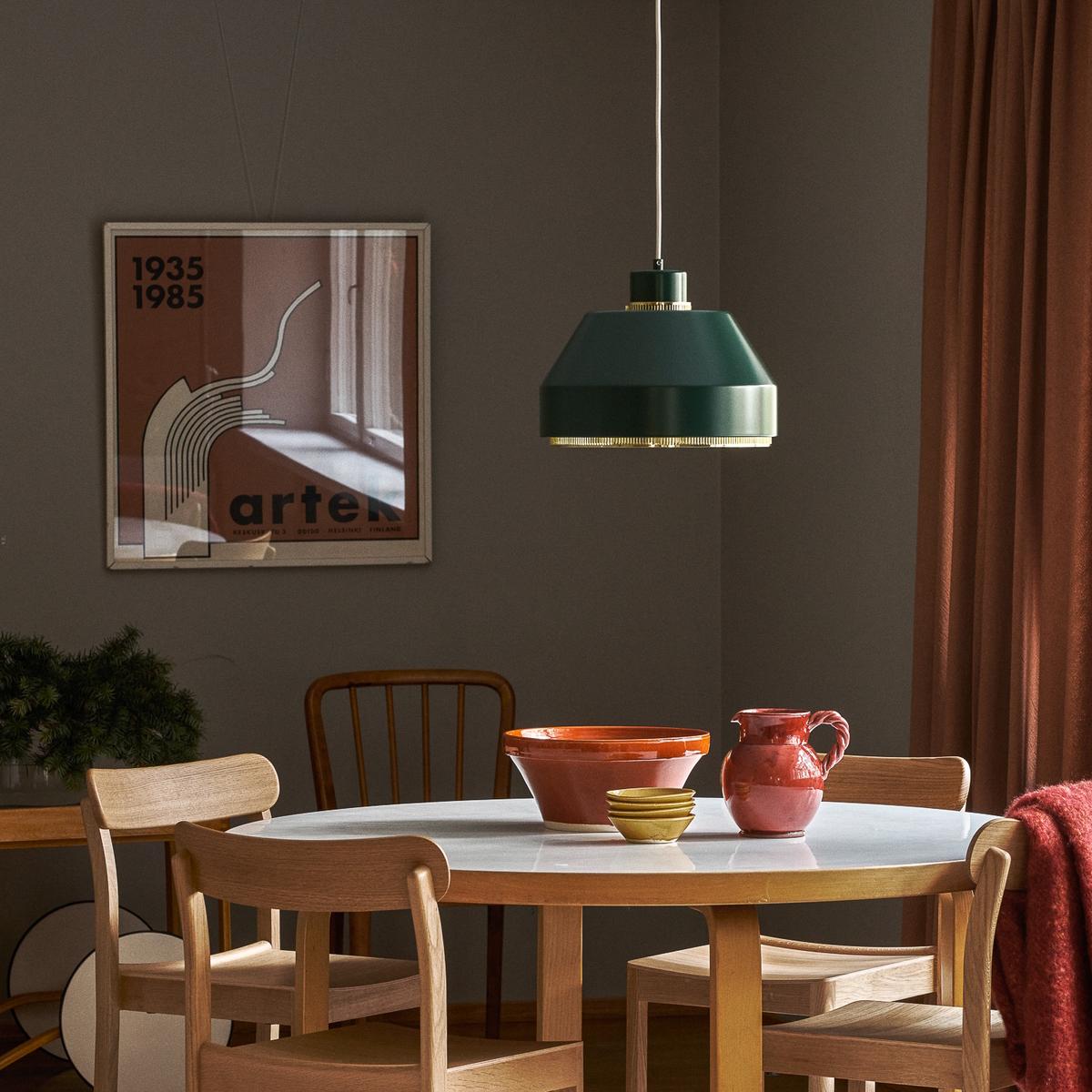
Pendant lamp AMA500
Anna Castelli-Ferrieri (1920–2006)
"It is not true that what is useful is automatically beautiful. It is beauty that is useful. Because beauty can improve people's way of life and thinking."
The round side table Componibili, which is always preceded by its iconic reputation and which for many children in their bedrooms probably represents the beginning of a certain affinity for furniture design, was designed by the Italian Anna Castelli-Ferreri. Did you know that she was also the founder of the Italian manufacturer Kartell |Kartell designer furniture|https://en.smow.ch/kartell/? In 1949, Anna and her husband Guido Castelli established the furniture manufacturer Kartell. Guido was a chemist and Anna was an architect – a win-win situation. Together, they made Kartell the world's leading manufacturer in the design and production of plastic furniture. From the 1960s onwards, Anna herself became active as a furniture designer and found joy in experimenting with plastic as a material. She became known worldwide for her modular sideboard system "Componibili".

Designer Anna Castelli Ferrieri
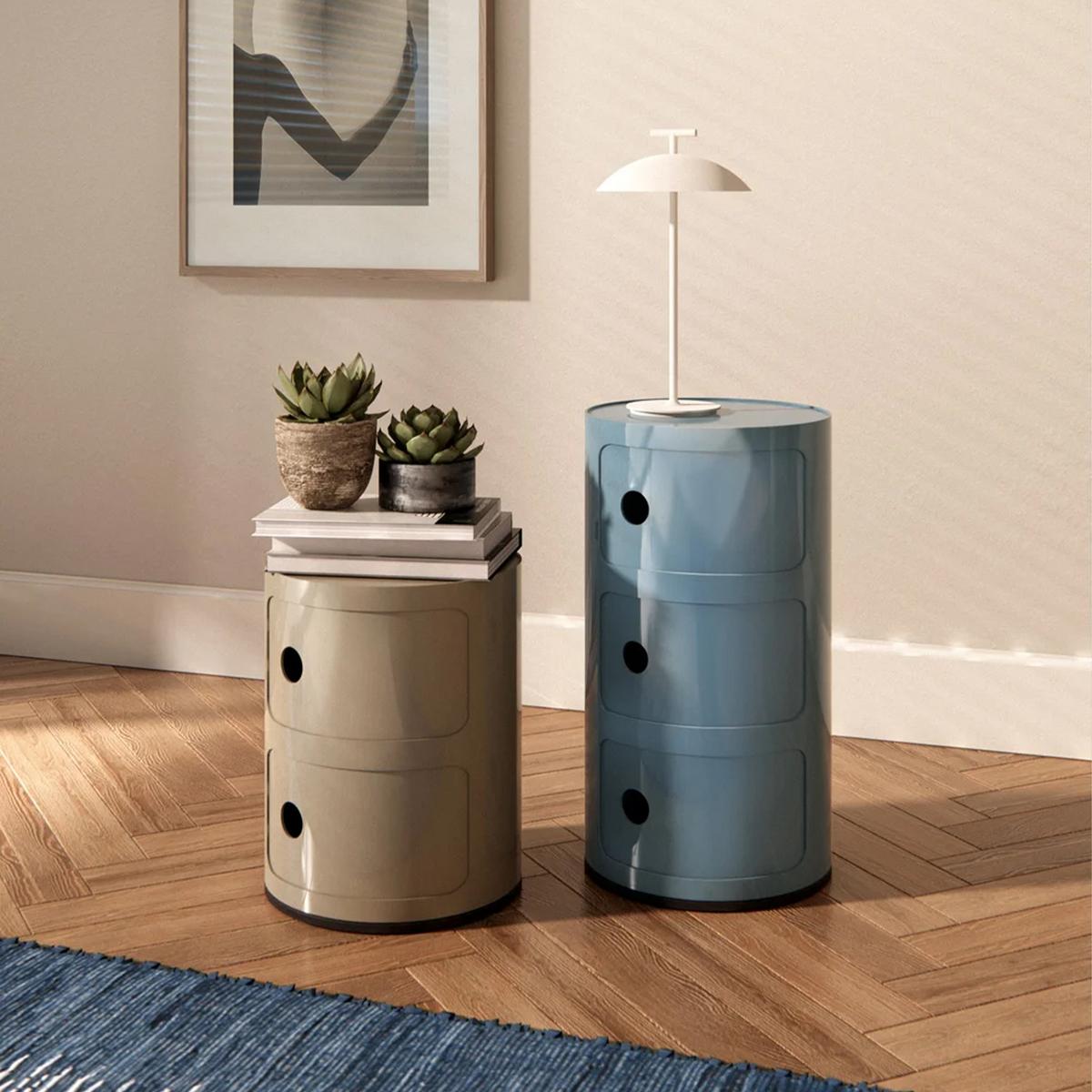
Componibili Container
Charlotte Perriand (1903–1999)
"The extension of the art of dwelling is the art of living."
Who isn't familiar with the famous LC2 armchair (now marketed by Cassina under the name 2 Fauteuil Grand Confort) with its recognisable tubular steel details? However, the mental connection that one automatically makes with Le Corbusier as the designer of this coveted piece of furniture does not do justice to the achievements of Charlotte Periand, who immortalised herself in collaboration with the great creator Le Corbusier. Perriand's expertise had a significant influence on their joint work. She improved and believed in the utopia of the "new man", also through the design of a friendly living environment. She already appreciated today's teamwork back then, which is why the pioneer of everyday design often refrained from being named as the creator of the revolutionary furniture that is now iconic in contemporary furniture design: modesty and passion before ego.
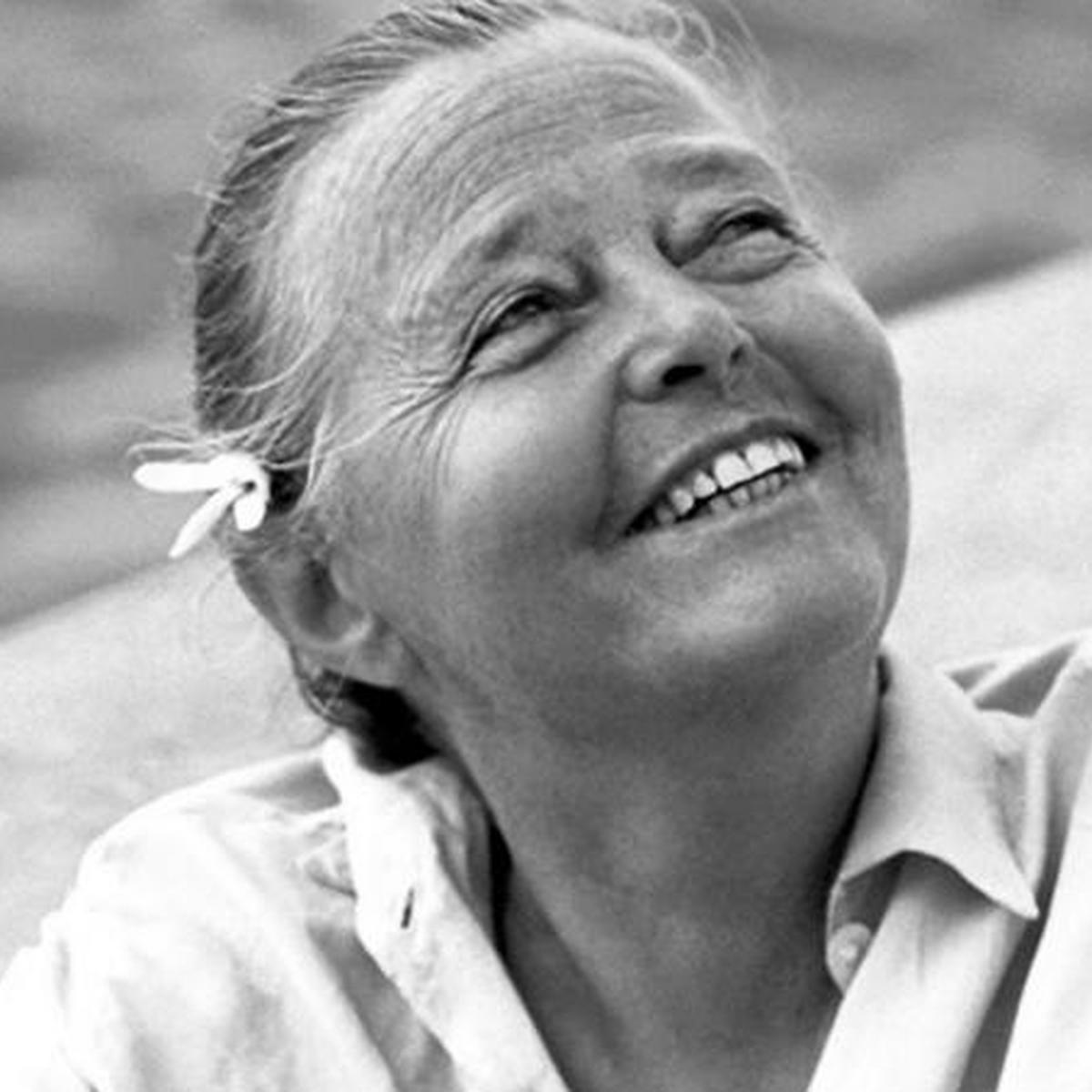
Designer Charlotte Perriand
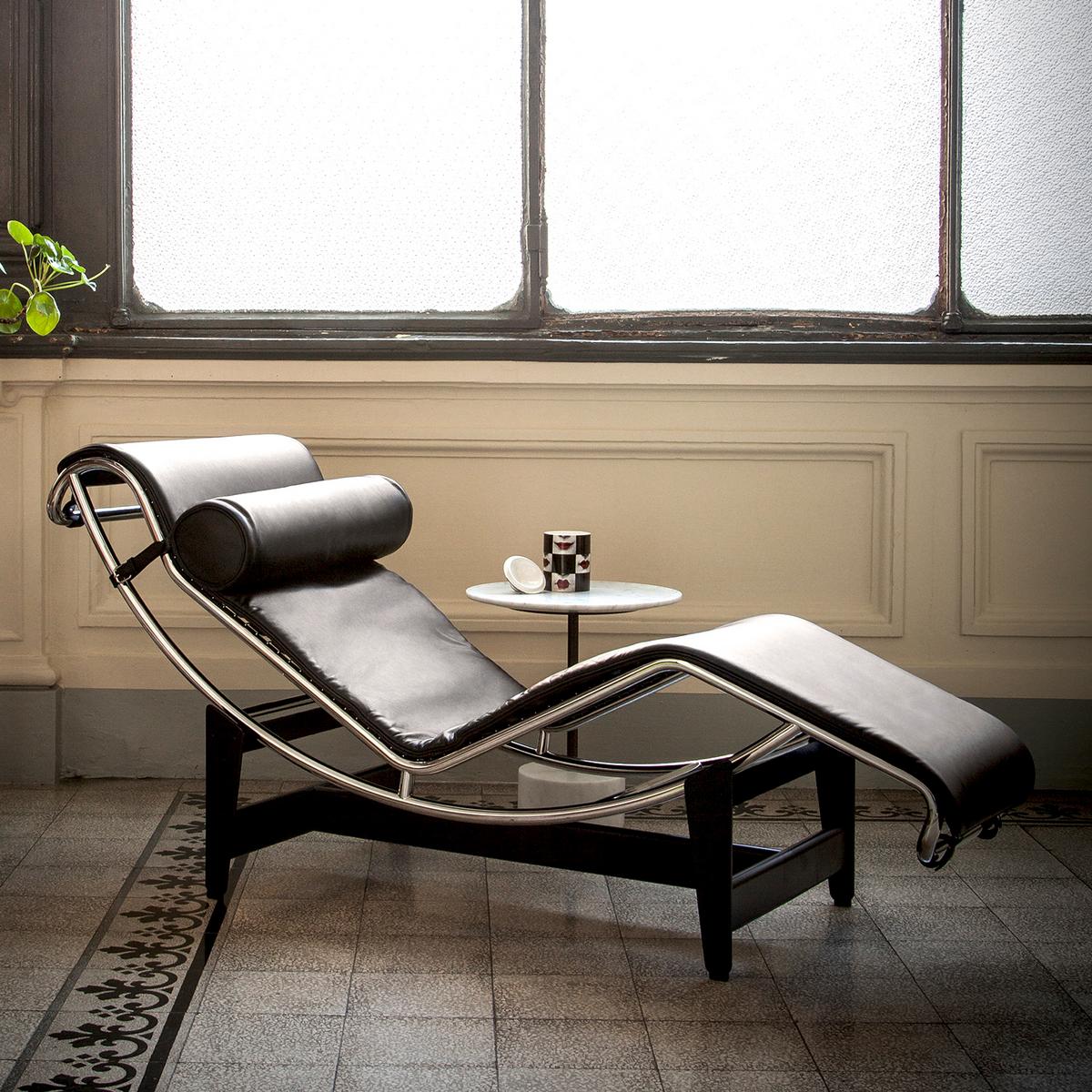
Chaiselongue by Charlotte Perriand, Le Corbusier and Pierre Jeanneret
Dorothee Becker (1938–2023)
“I am, of course, a feminist. For me, that means demanding not only equal rights, but also equal opportunities in life. And that is still not the case today.”
In the late 1990s, Vitra rediscovered a design classic from the pop era: the Uten.Silo storage system and wall shelf by Dorothee Becker, which she designed in 1969 for her children, inspired by a wooden toy made of mouldable plastic. The reissue helped the designer, born in Aschaffenburg in 1938, achieve a late revival and her only commercially successful design. Dorothee Becker's daughter Claude Maurer described her mother as a feminist. In her obituary, she wrote: "She (...) attached great importance to her daughters not being trained to be 'girls in pink'." She continued: "She used her keen sense of aesthetics and her talent and opened a shop in Munich-Schwabing, as she had to earn her own living and that of her children (proportionally)." In her shop, Dorothee Becker sold everyday items and design objects for the home and garden, as well as a carefully selected collection of art postcards.

Designer Dorothee Becker
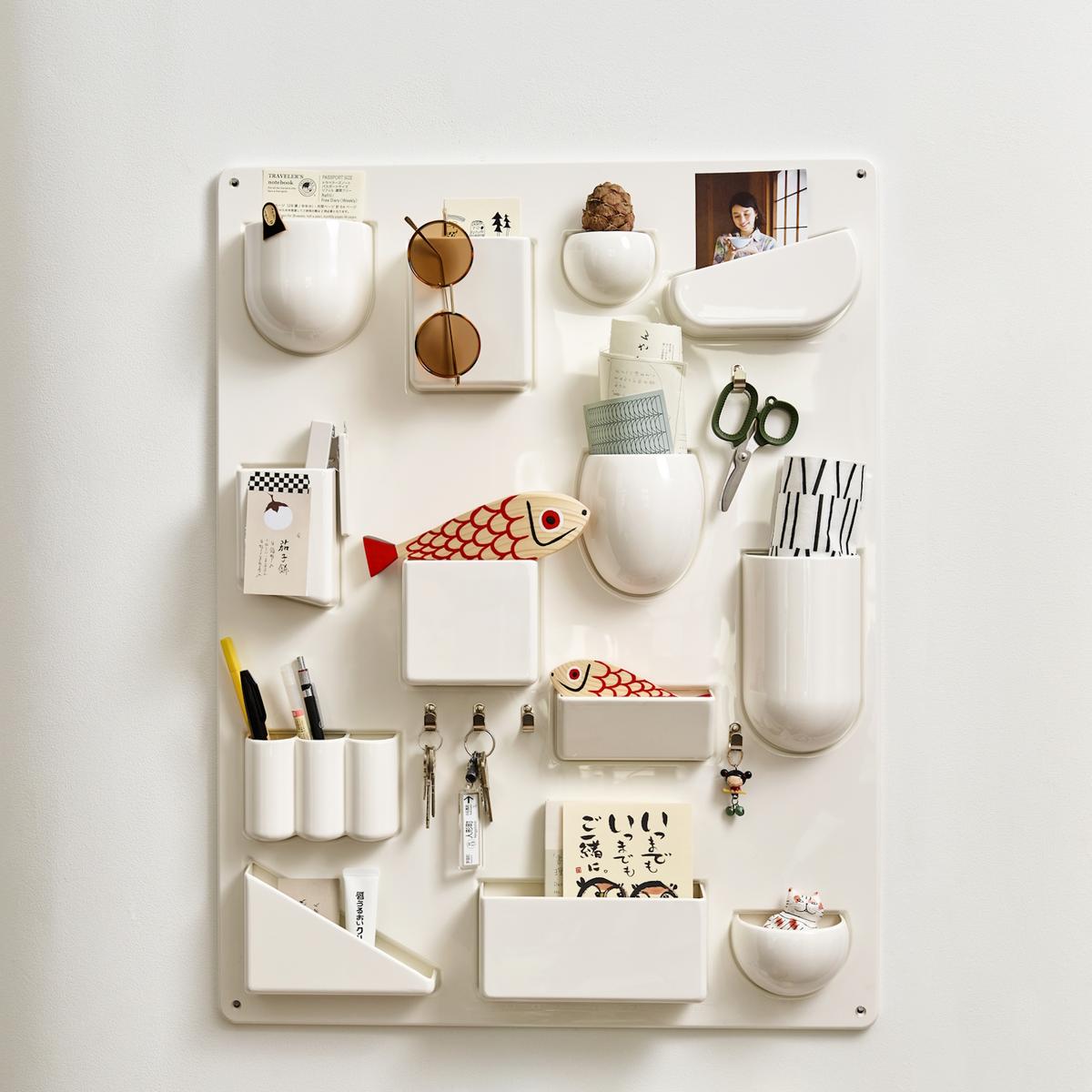
Uten.Silo II
Florence Knoll (1917–2019)
“I am not a decorator. The only place I decorate is my own home.”
Florence Knoll is one of the pioneering – and long underrated – women of modern design. As a designer, interior designer and entrepreneur, she had a decisive influence on the appearance of American office and residential culture. Encouraged early on by Eliel and Loja Saarinen and in contact with designers such as Le Corbusier and Alvar Aalto, she developed a clear, functional design language that continues to influence style today. At Knoll International, she was the driving force behind design, architecture and corporate development from the 1940s onwards, shaping the brand into a global symbol of modern design.
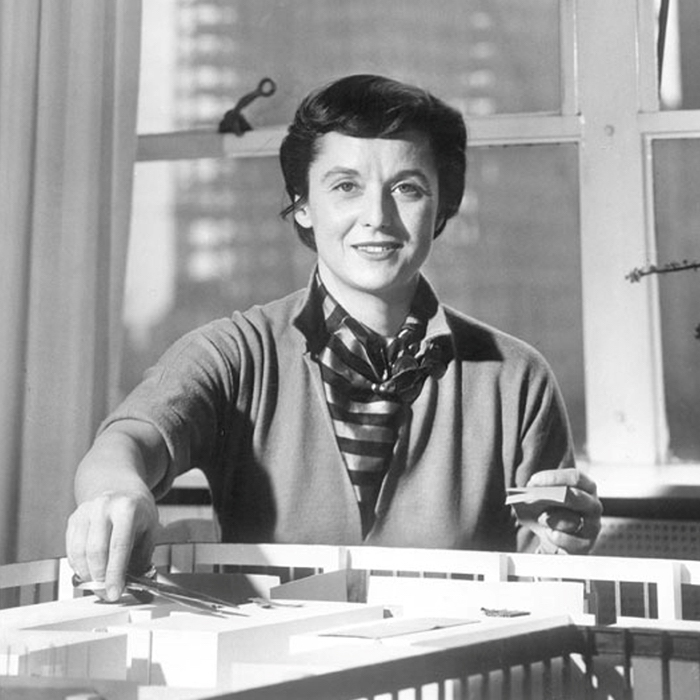
Designer and entrepreneur Florence Knoll
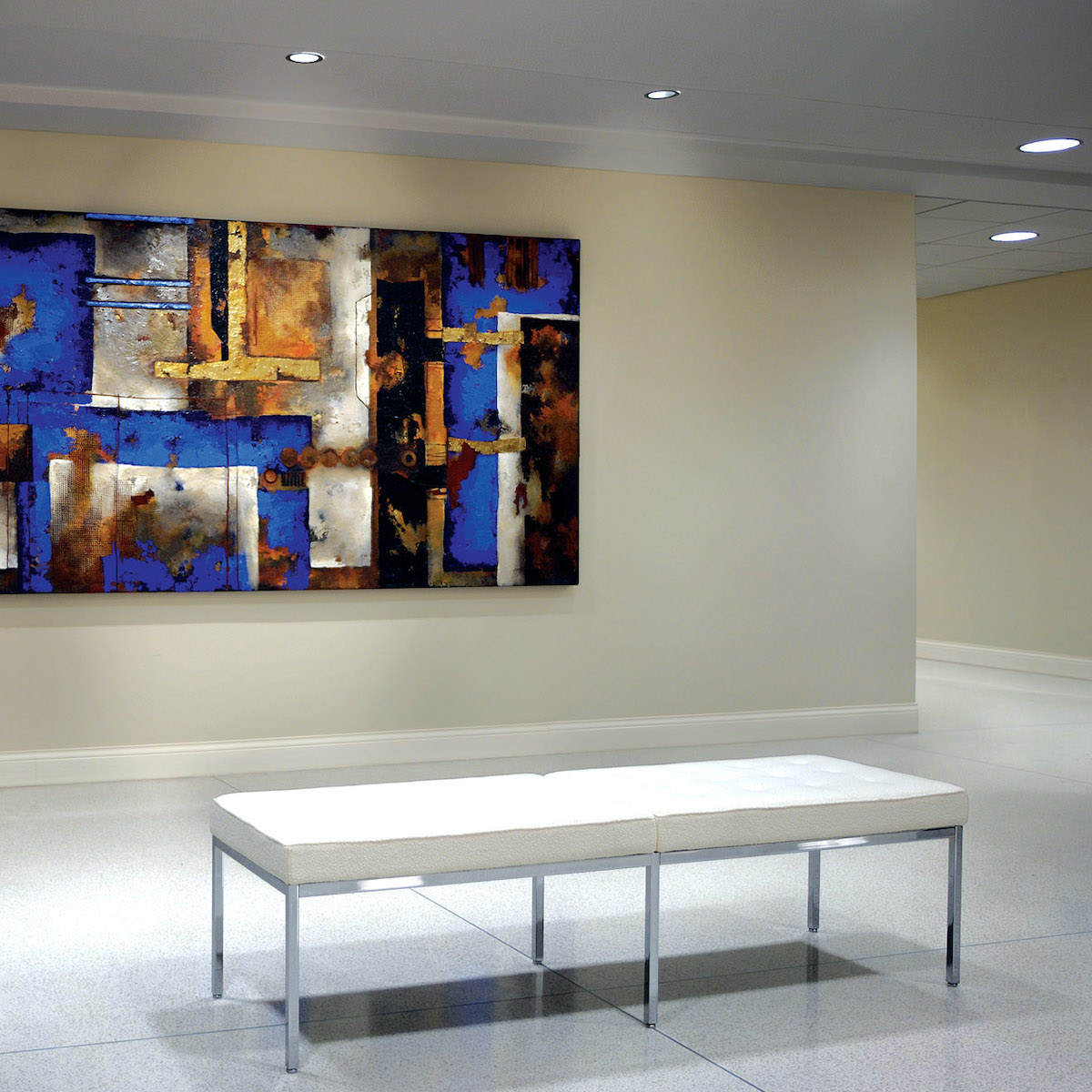
Florence Knoll Bench
Eileen Gray (1878–1976)
"To create, one must first question everything."
Eileen Gray's Adjustable Table E 1027 is one of the most copied pieces of furniture in history. It is a prime example of classic modernism, and its countless imitations are arguably the highest form of compliment to the Irish artist. Eileen Gray managed to achieve real success despite the male-dominated 1920s. She shocked people with her furniture designs and pursued the goal of designing furniture that was in keeping with the times. Today, the headstrong architect is known more than ever for the clean lines of her furniture, which, with their characteristic interplay of chrome, tubular steel and glass, are still emblematic of classic modernism and continue to be highly sought after at auctions.
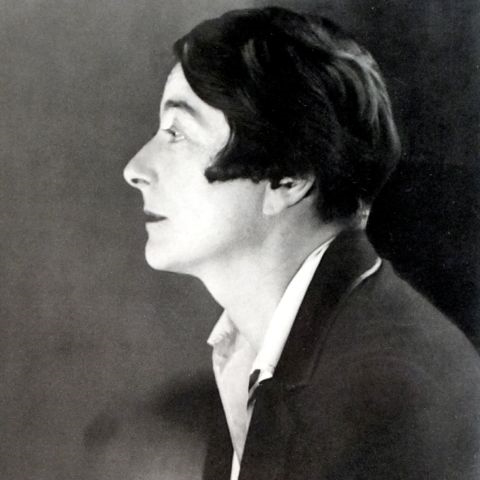
Designer Eileen Gray
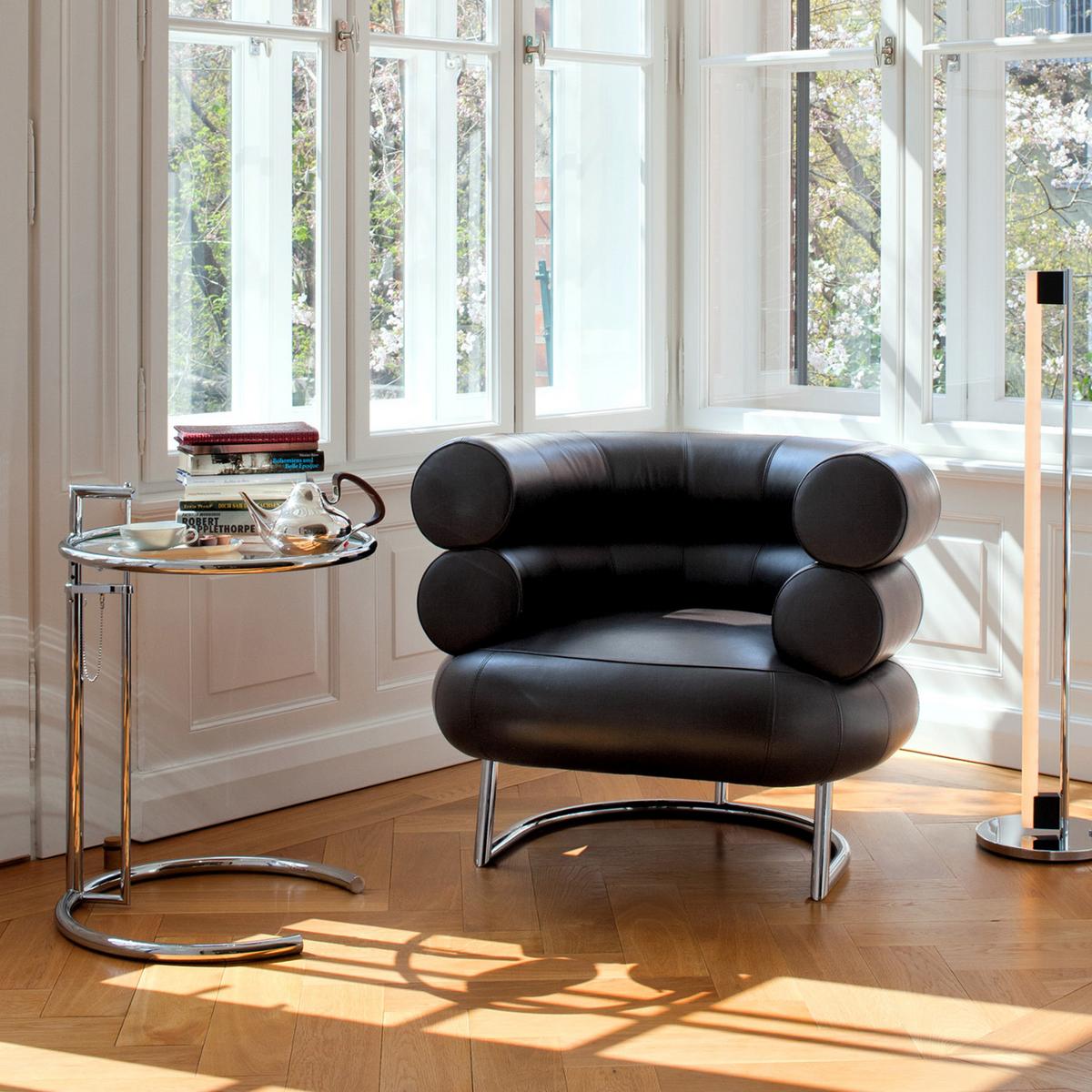
Adjustable Table E 1027, Bibendum Chair and Tube Light
Kajsa Strinning (1922–2017)
Kajsa Strinning played a key role in the creation of the world-famous String shelf – yet for a long time, her contribution was largely overlooked. Together with her husband Nisse Strinning, she designed the modular shelving system in the late 1940s, which has become an international design classic. Under the umbrella of the jointly founded companies String Design AB and Swedish Design AB, the Strinnings designed numerous other pieces of furniture. Kajsa Strinning documented the designs with construction drawings and refined their implementation. In addition to her work as a designer, she was also a prolific artist.
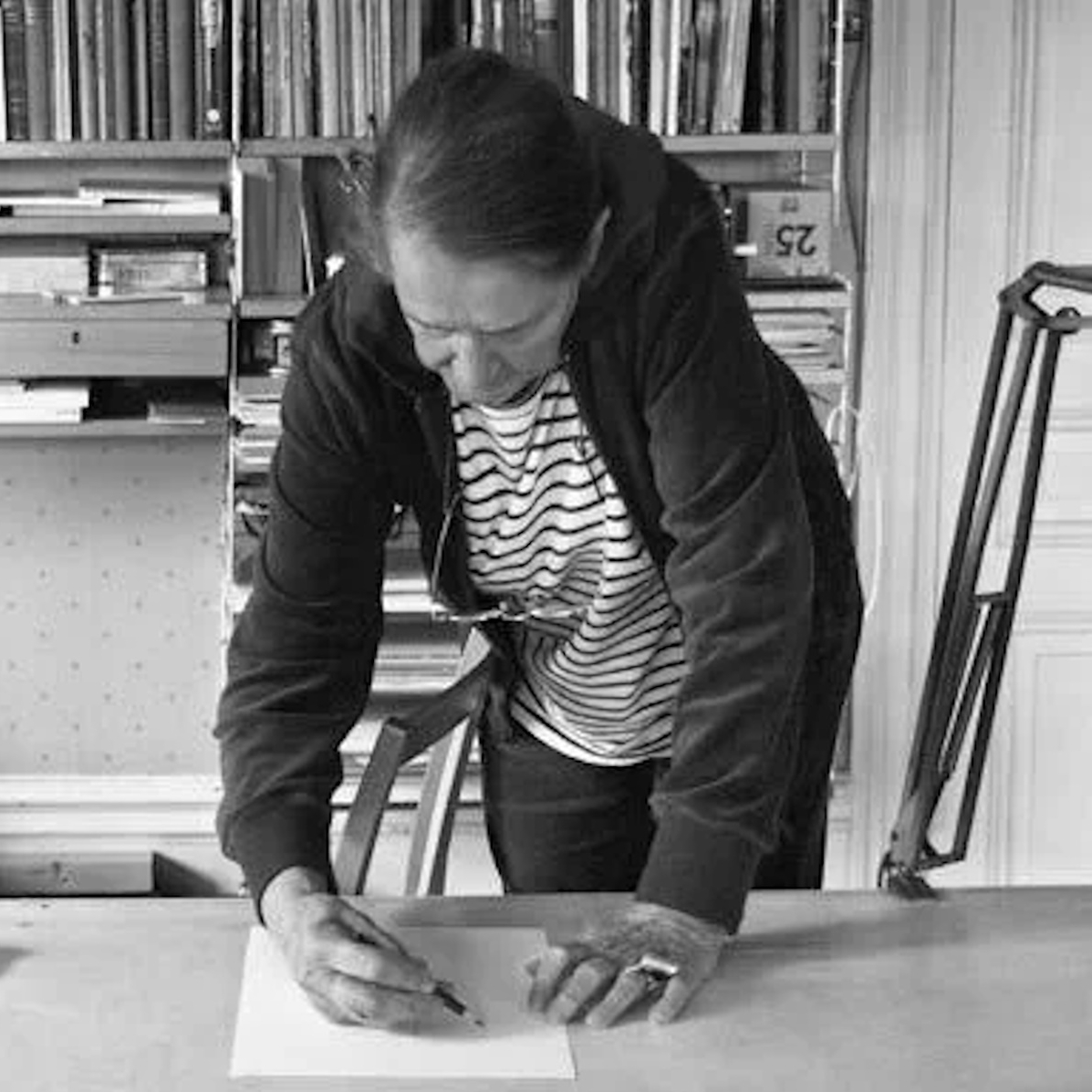
Designer Kajsa Strinning
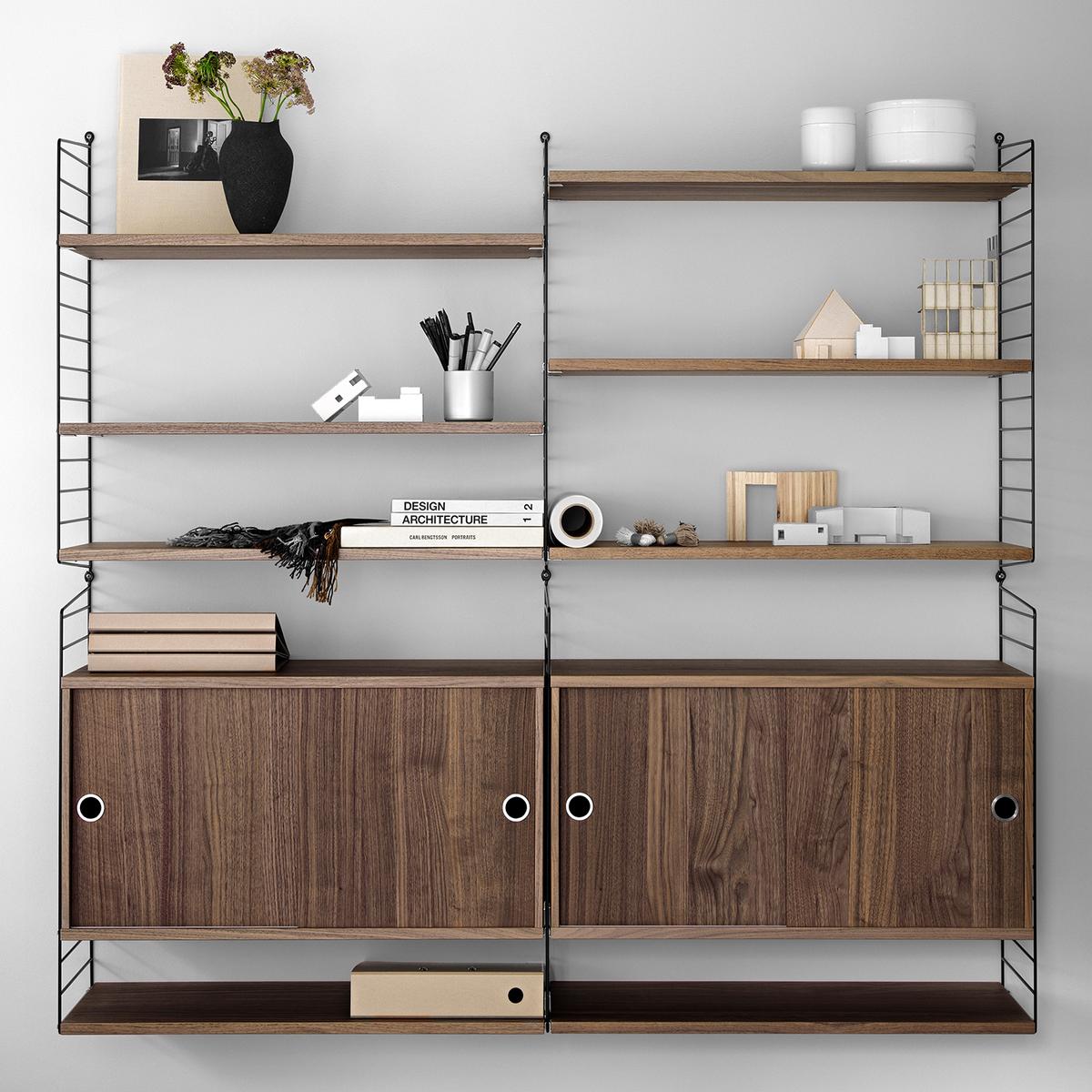
String shelf by Kajsa and Nisse Strinning
Lilly Reich (1885–1947)
"Good work takes time, and it will also be essential that the spirit of the woman finds expression — the spirit of one who wants to be what she is, and not to appear as what she is not."
Born in Berlin in 1885, designer Lilly Reich began her career with an apprenticeship as a crank embroiderer, then worked at the Wiener Werkstätten and founded her own studio for interior design, arts and crafts, and fashion in her hometown in 1911. From 1924 onwards, she collaborated with architect Mies van der Rohe on key projects such as the Werkbund exhibition "Die Wohnung" (The Apartment) in 1927 and the German Building Exhibition in 1931. Under Reich's artistic direction, the famous Barcelona chair was also created in 1929 – a work that was long attributed solely to van der Rohe. Unfortunately, much of Reich's archive was destroyed in 1945, while Mies van der Rohe's archive was preserved, thanks in part to Lilly Reich's efforts. After the war, Lilly Reich campaigned for the reconstruction of the German Werkbund, but died in 1947, shortly after accepting a professorship in Berlin. Today, Reich's contribution to modern design history is increasingly recognised, especially her innovative work in the field of interior design and furniture design. The MoMA in New York dedicated a special exhibition to her in 1996, honouring her important role in design history.

Designer Lilly Reich
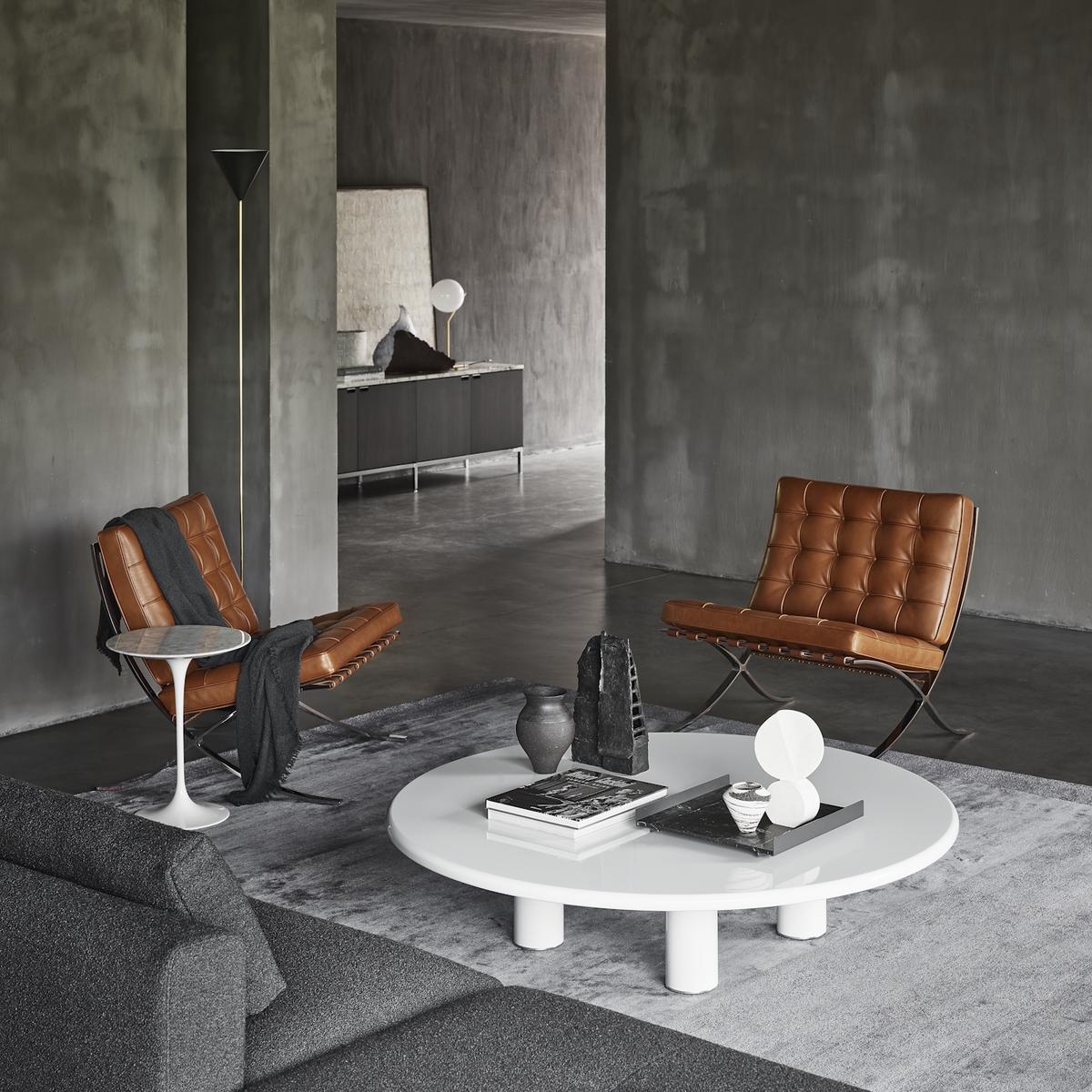
Barcelona Chair by Lilly Reich and Ludwig Mies van der Rohe
Ray Eames (1912–1988)
"What works good is better than what looks good because what works good lasts."
The artist couple Ray & Charles Eames are true design icons. However, Ray always operated under the same "company name" as her husband and is still often overshadowed by him when it comes to the designs of the two designers. Ray not only supported her husband – she also created furniture and interior accessories herself and stood on equal footing with him. With her keen eye for form and colour, she was largely responsible for the well-known Eames aesthetic that the furniture still embodies today and which determines its value.
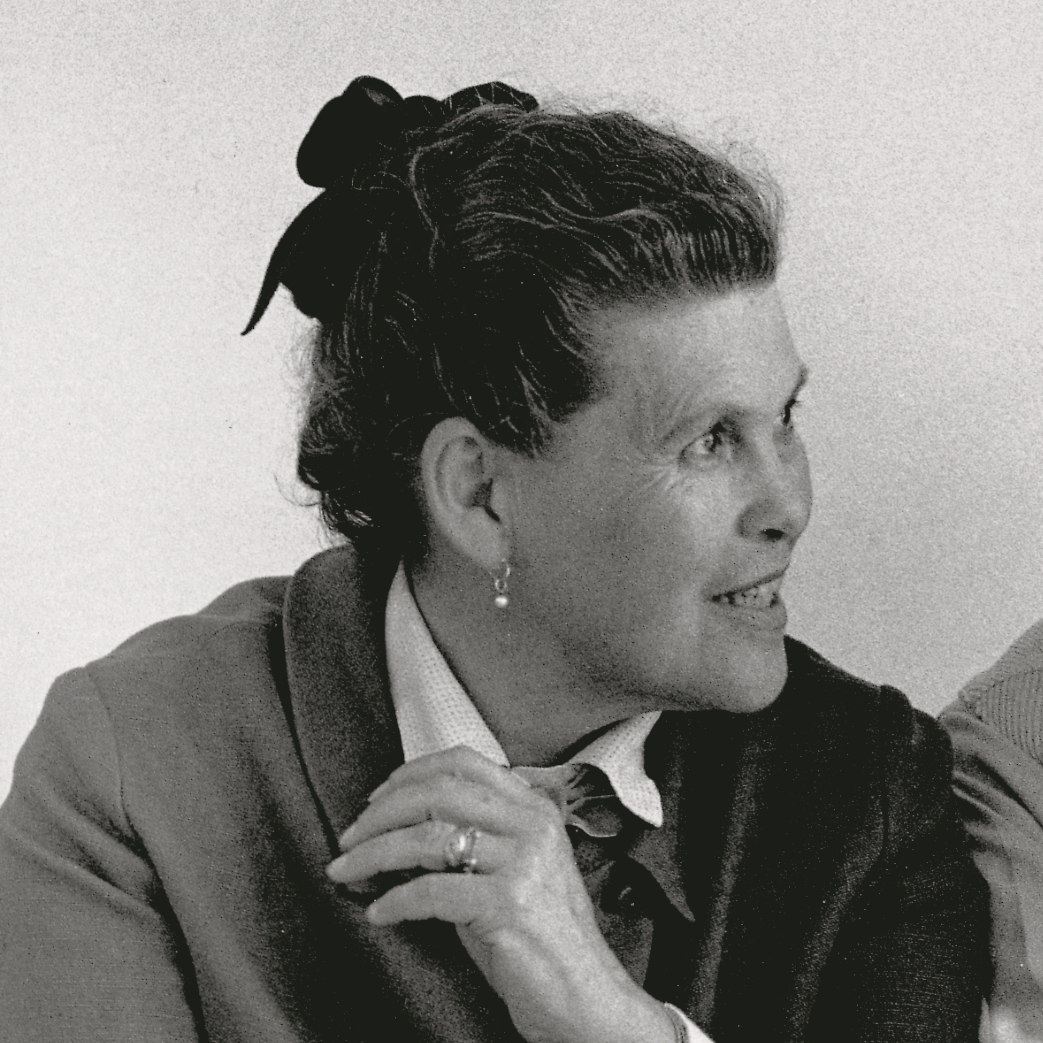
Designer Ray Eames
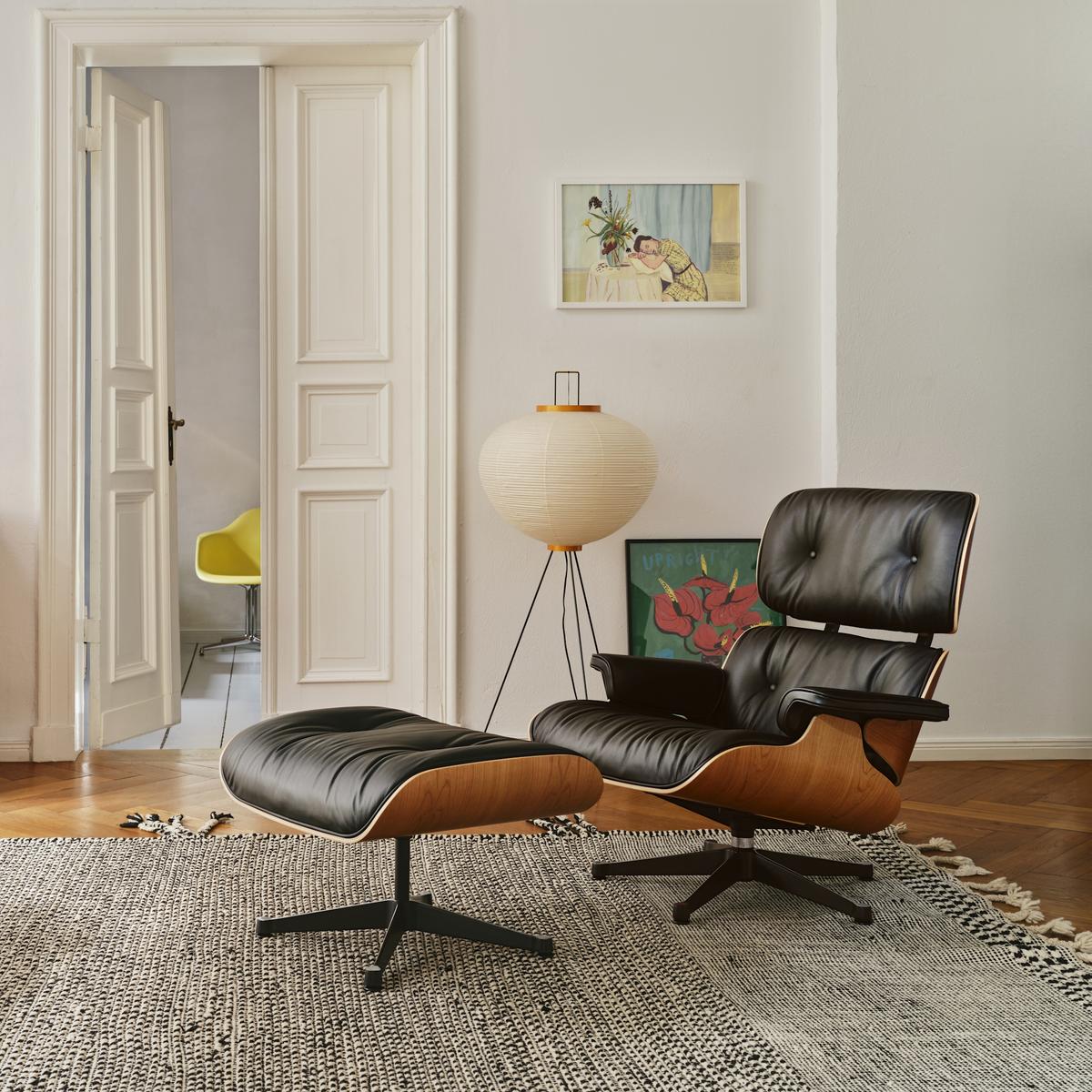
Eames Lounge Chair & Ottoman
Contemporary Design: The most important contemporary furniture designers
Contemporary furniture design thrives on creative visions that rethink materials, form and function. Designers around the world are setting innovative trends, combining craftsmanship with technology, playing with colours and textures, and creating furniture, lighting and objects that are both functional and aesthetically appealing. Their work shapes the style of our time and shows how design can enrich everyday life.
► Cecilie Manz
► Constance Guisset
► Hella Jongerius
► Patrica Urquiola
Cecilie Manz
"Everything should have the right quality and functionality. But the aesthetics are just as important."
Cecilie Manz is one of Denmark's most successful designers. After studying at the Royal Danish Academy of Fine Arts and the University of Art and Design in Helsinki, she opened her own studio in Copenhagen in 1998. Her work, ranging from furniture and lighting to glass objects, combines minimalism with inspiration from the visual arts – such as Caravaggio's contrasts or Brâncuși's volumes. Cecilie Manz has collaborated with manufacturers such as Fritz Hansen, Iittala and Bang & Olufsen, received numerous international awards, and her works are represented in important collections such as the MoMA in New York.
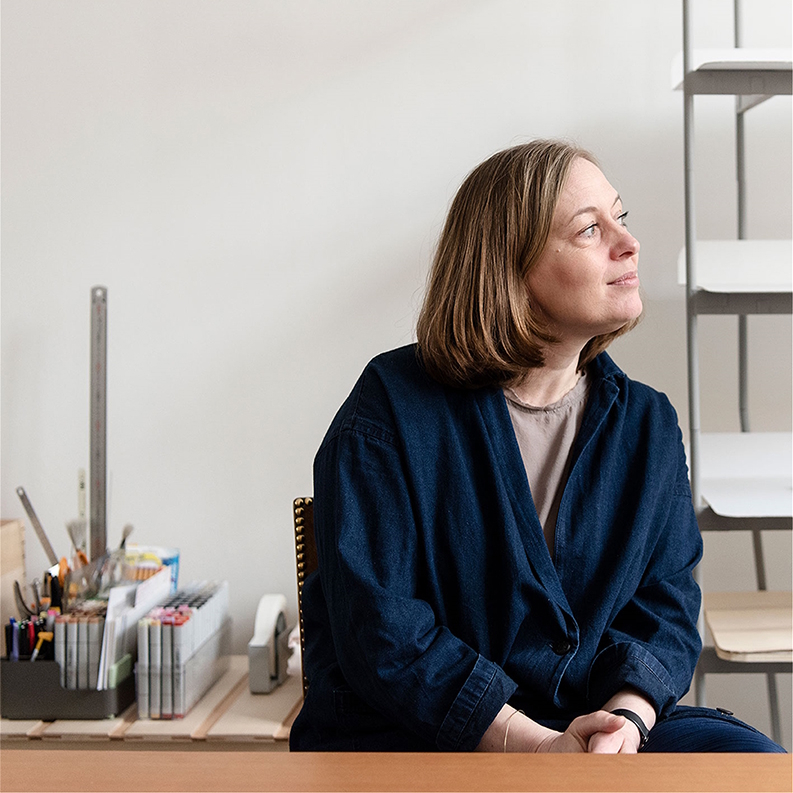
Designer Cecilie Manz
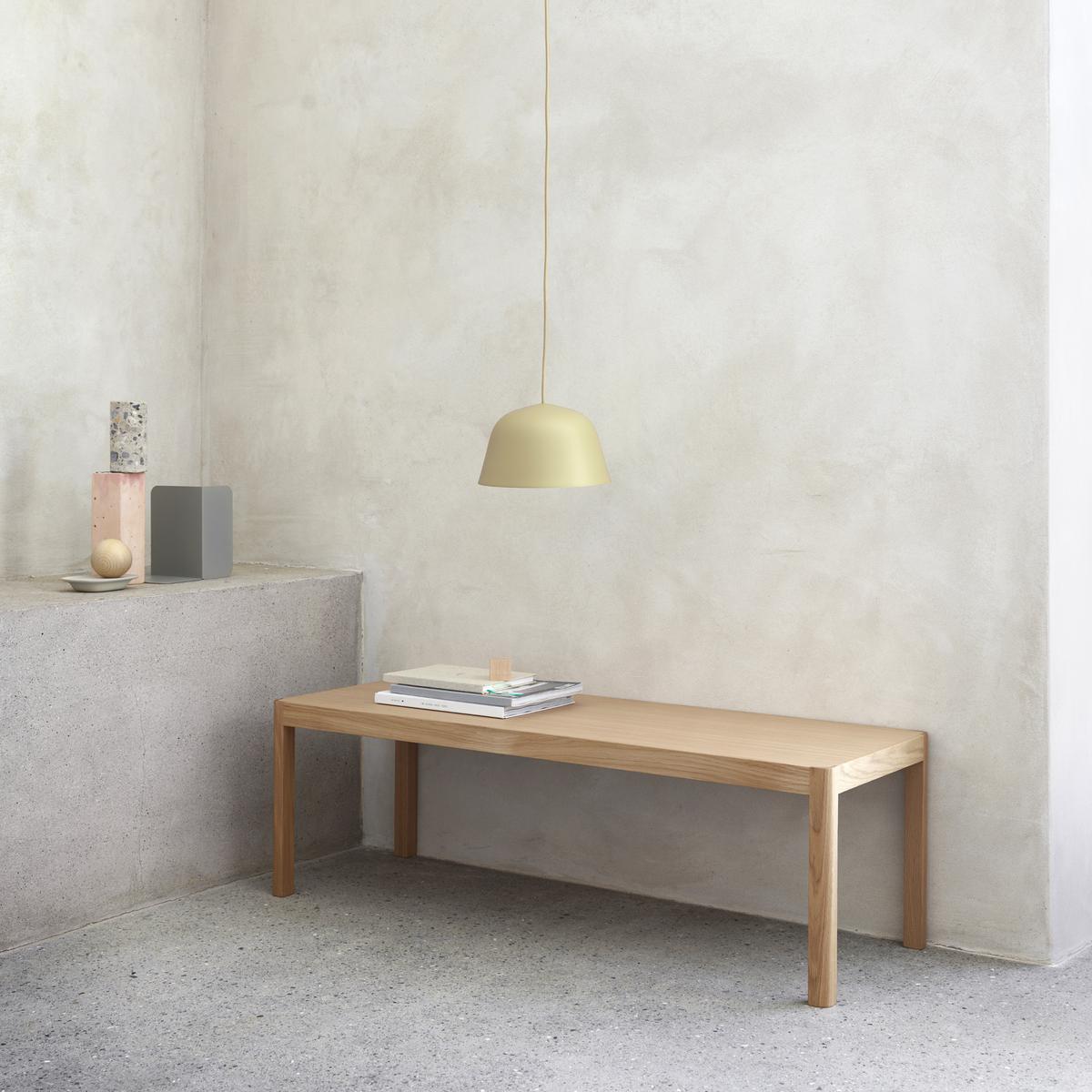
Workshop Coffee Table
Constance Guisset
"In my work, I always try to create an escape from reality."
Constance Guisset is one of the defining voices of contemporary French design. Since founding her Paris studio, she has developed works that are known for their poetic lightness and keen sense of ergonomics. Whether lighting, furniture or installations, Guisset combines technical finesse with a distinctive, almost dance-like aesthetic. She has received international recognition for her Vertigo lighting collection for Petite Friture, among other things.
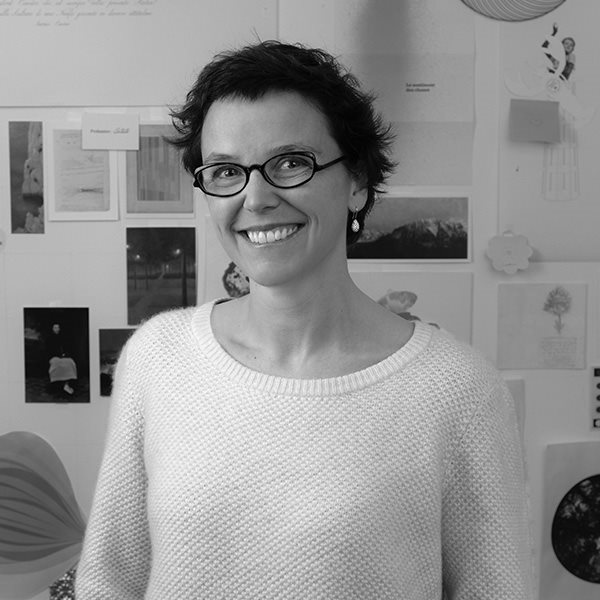
Designer Constance Guisset
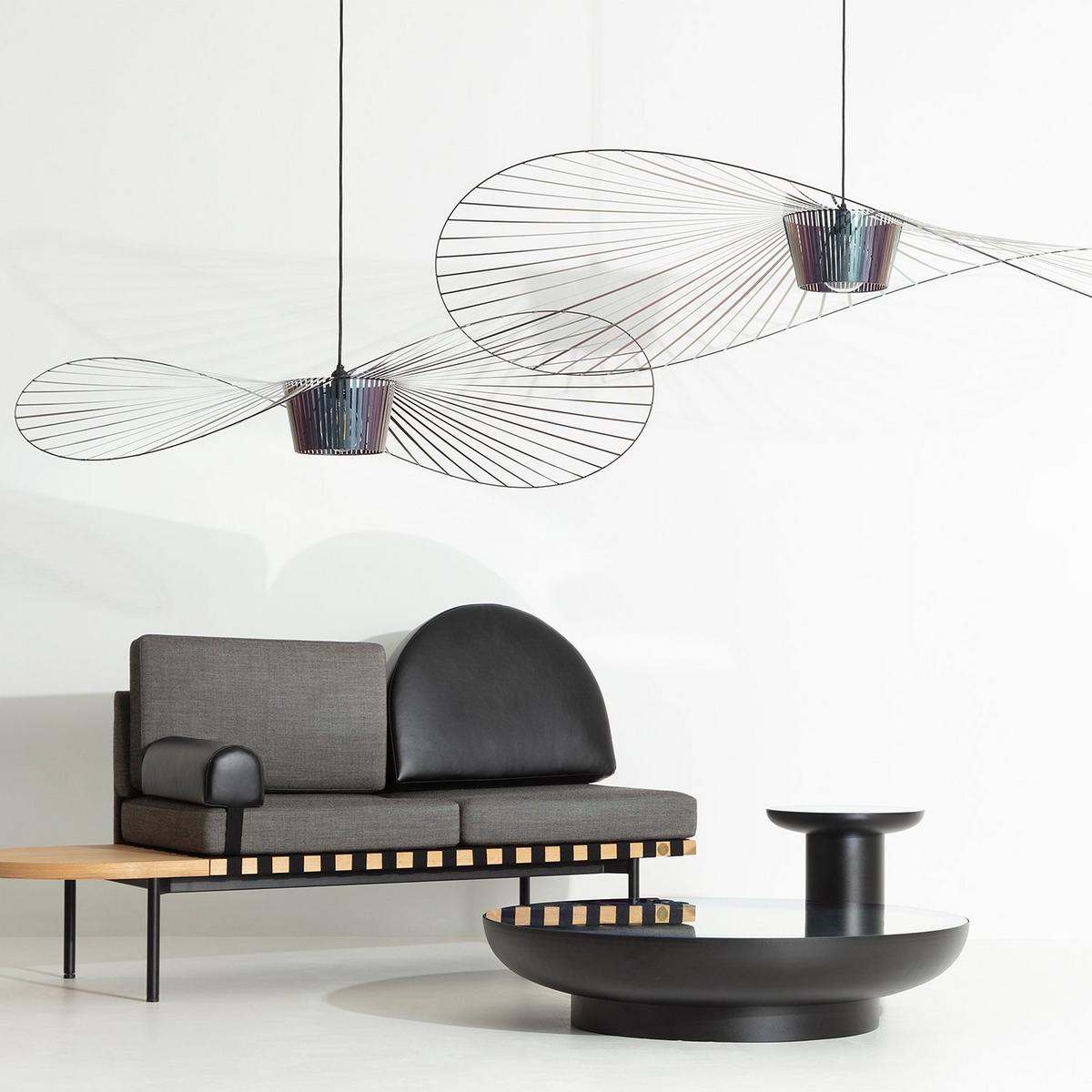
Vertigo pendant light
Hella Jongerius
"There's too much shit design."
Hella Jongerius is considered one of the most important designers of our time. Since the 1990s, her designs have challenged the boundaries between craft, art and industry, and her expertise in materials and colour – particularly in collaboration with Vitra – has set new standards in design. Jongerius's work has a deliberately open and process-oriented feel, inviting us to see incompleteness as a creative quality. Iconic designs such as the Polder Sofa or the Long Neck and Groove Bottles showcase her unique signature style and her influence on 21st-century design.
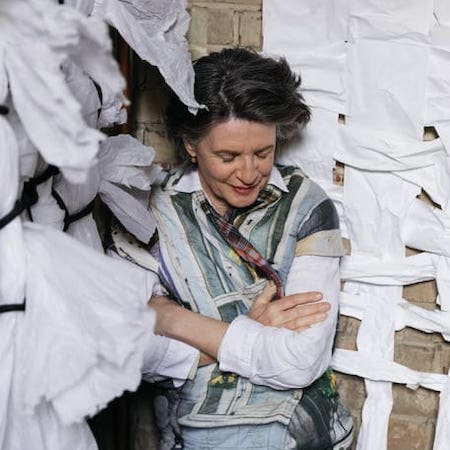
Designer Hella Jongerius
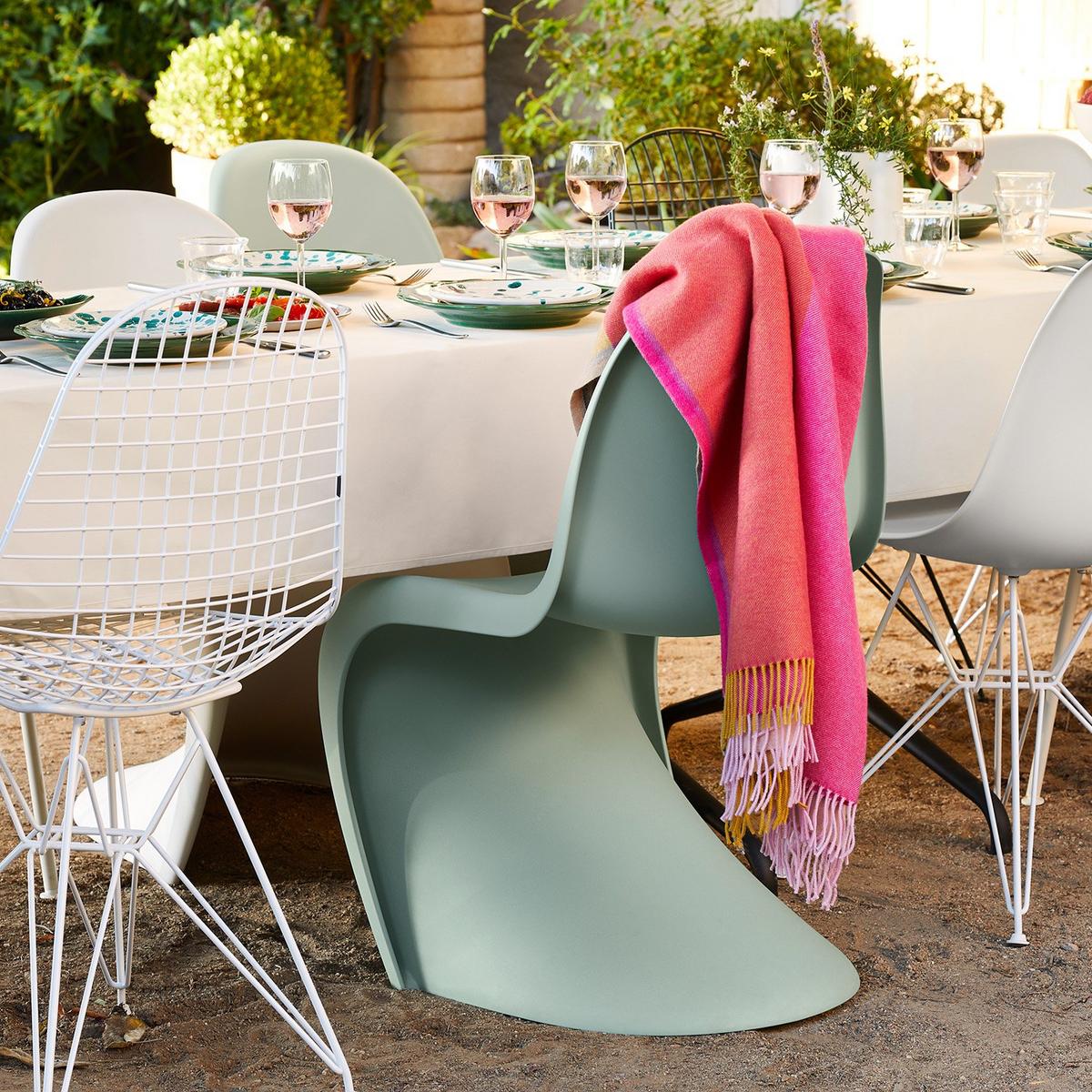
Vitra Colour Blanket by Hella Jongerius
Patricia Urquiola
"I don’t believe in timeless design; I believe in long-lasting design."
The Spanish-born, Milan-based designer Patricia Urquiola combines architecture, technology and craftsmanship in her work to create a distinctive, people-centred design language. With her studio Urquiola, founded in 2001, she shapes international brands and develops projects ranging from furniture and interior design to large hospitality concepts. As Creative Director of Cassina, she has been providing important impetus for sustainable and future-oriented design processes since 2015.
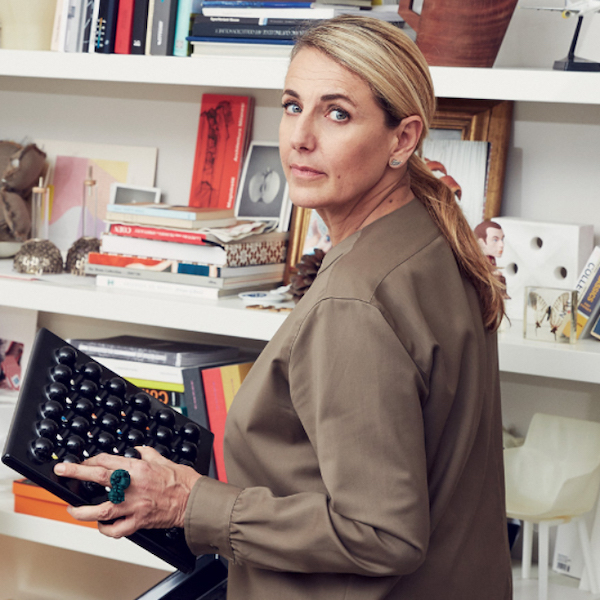
Designer Patricia Urquiola
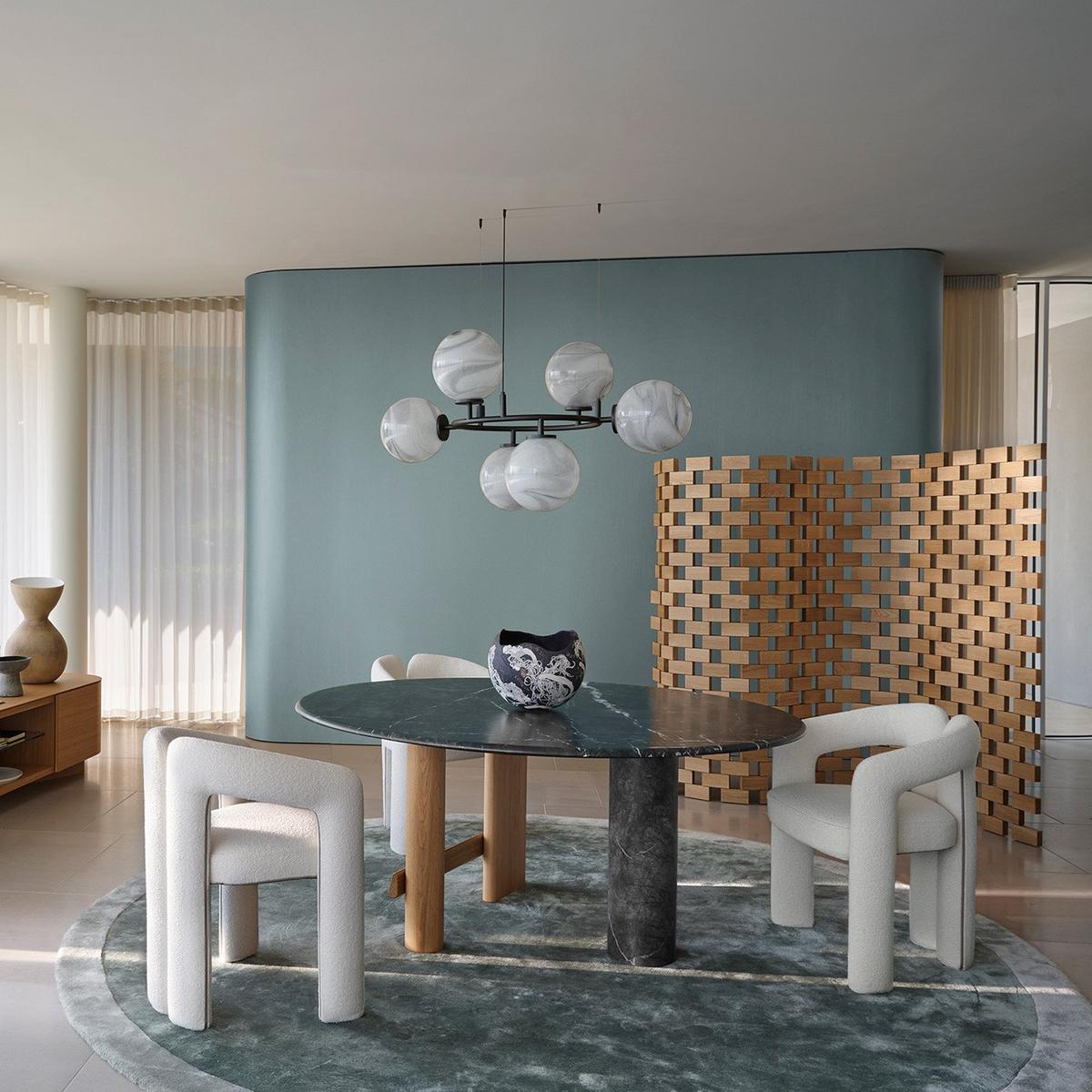
Dudet Chair