











Verner Panton’s Vibrant World – Interview with Carin Panton
...On February 13, 2026, Verner Panton (1926 - 1998) would have celebrated his 100th birthday... Verner Panton's designs were never quiet...









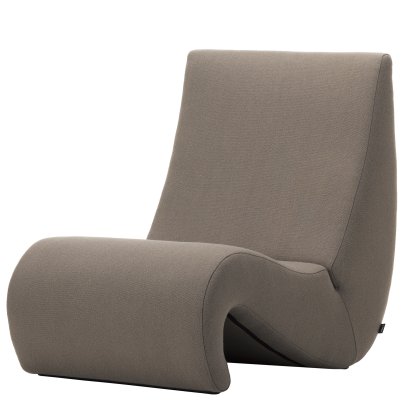
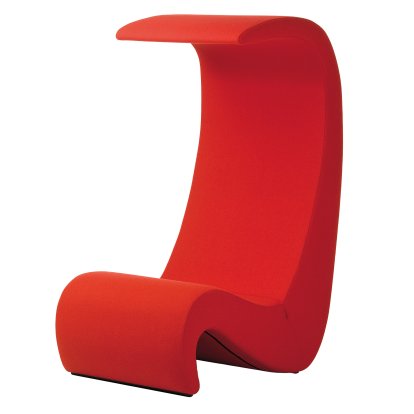


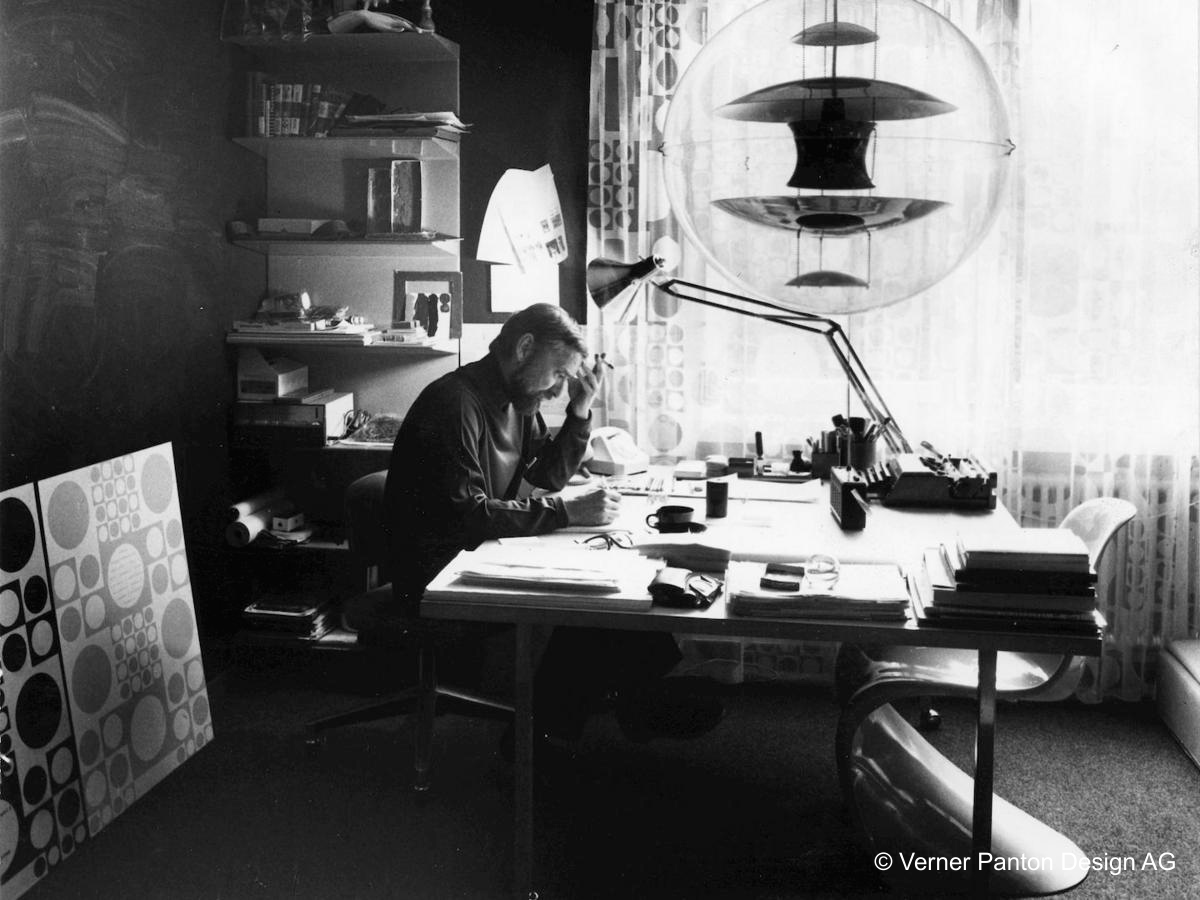
Born in 1926, the Danish designer Verner Panton originally wanted to study painting, but decided to study architecture on the advice of his parents. After graduating from the Royal Academy of Fine Arts in Copenhagen, he worked for two years from 1950 in the office of Arne Jacobsen. Despite this extremely instructive collaboration, Panton went his own way, which differed significantly from Jacobsen's style. in 1955, he founded his own studio for design and architecture and quickly attracted attention with his first designs. Unlike many of his Danish contemporaries, Panton's work focused on strict geometric shapes, organic lines and a bright colourfulness that was revolutionary at the time.
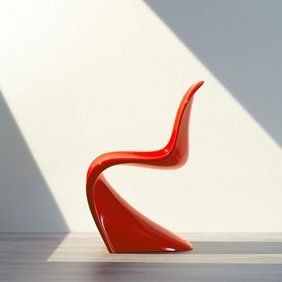
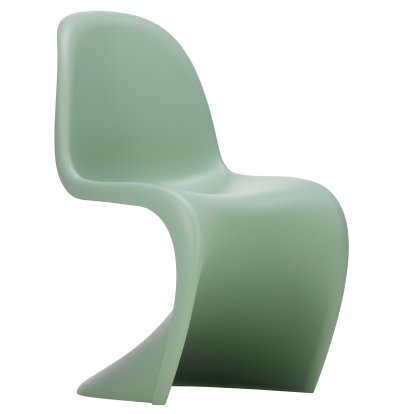
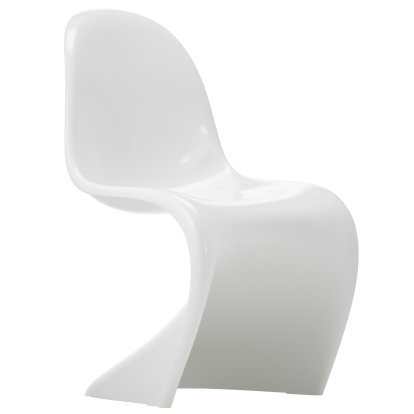
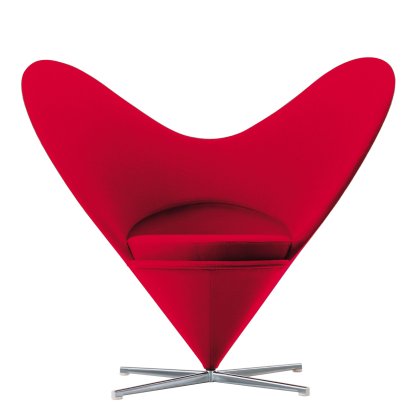
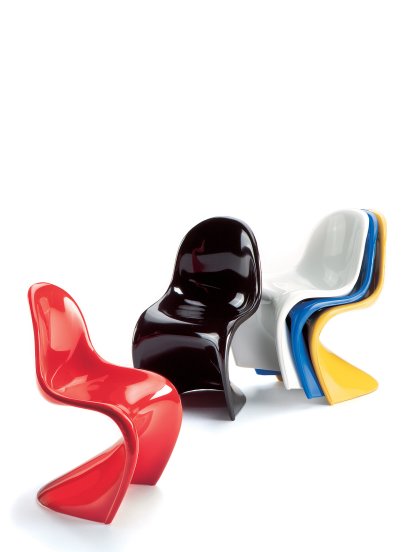
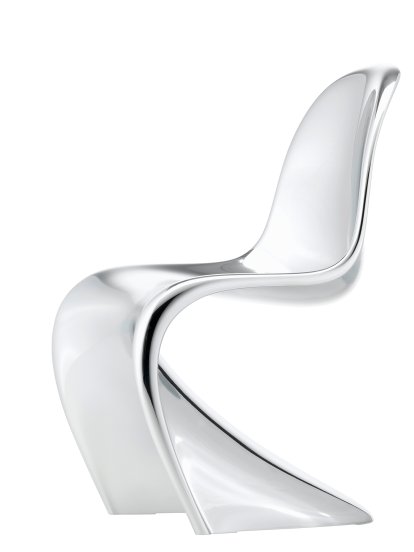
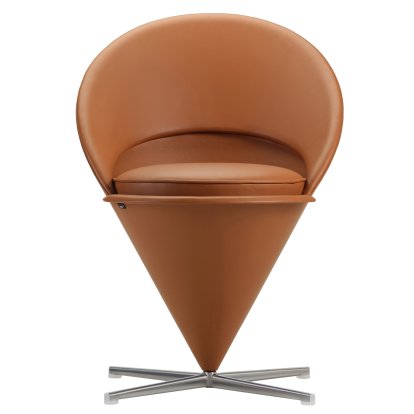
A milestone in Panton's career was his acquaintance with Willi Fehlbaum, the founder of Vitra. Together they developed the Panton Chair in the early 1960s. This free-swinging plastic chair, which was the first chair in the world to be moulded from a single piece, is now one of the most important design classics of the 20th century. Other iconic designs such as the Cone Chair and the Heart Cone Chair, which were originally designed in 1958 for the Danish restaurant Kom-Igen, were created at the same time.
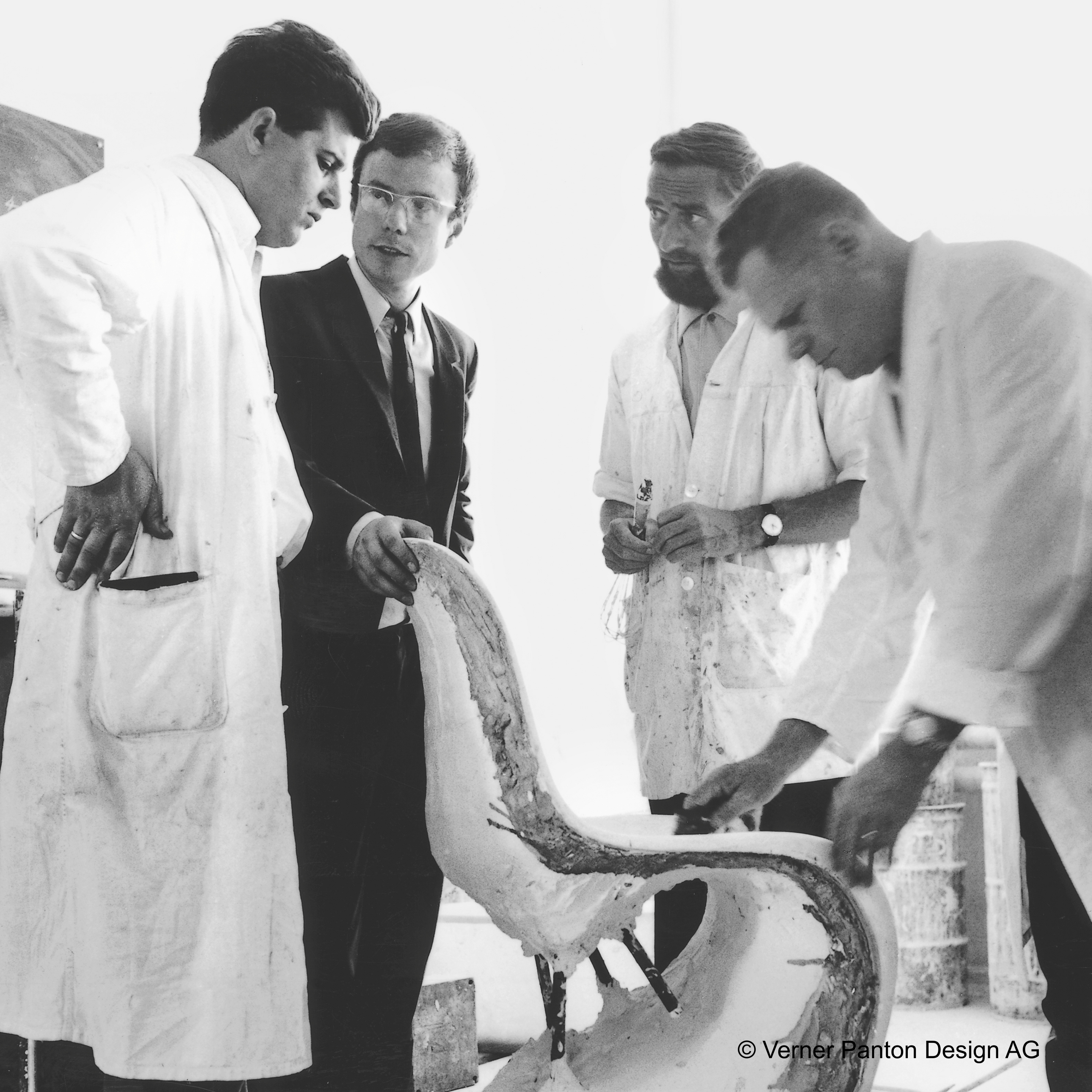
A revolutionary design put to the test: Verner Panton (centre right) and Rolf Fehlbaum (in suit) at work on the Panton Chair (1958-1967)
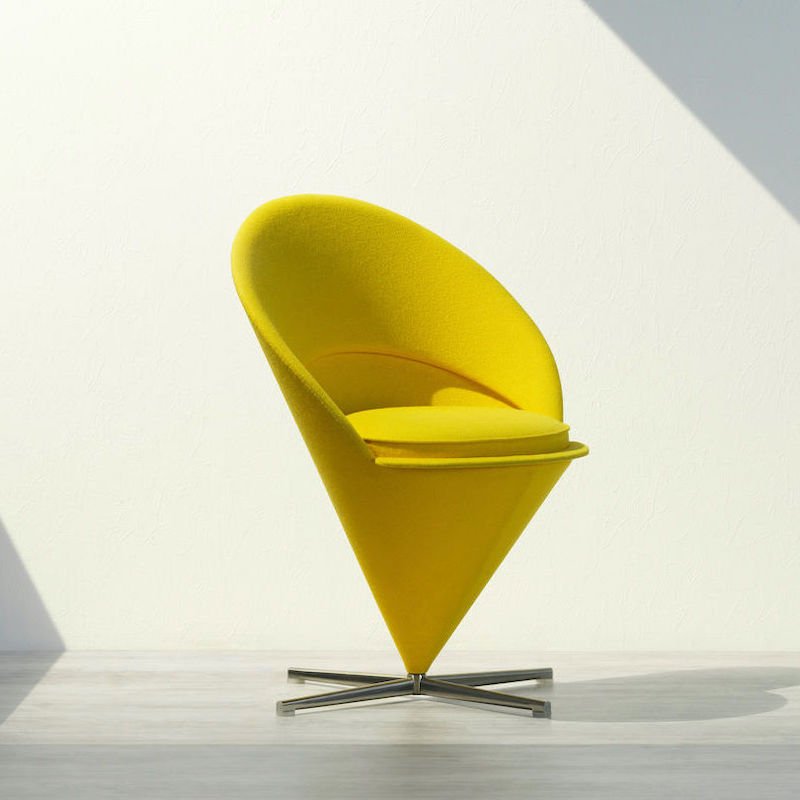
The Cone Chair was part of the sensational redesign of the Kom-Igen restaurant (1958)
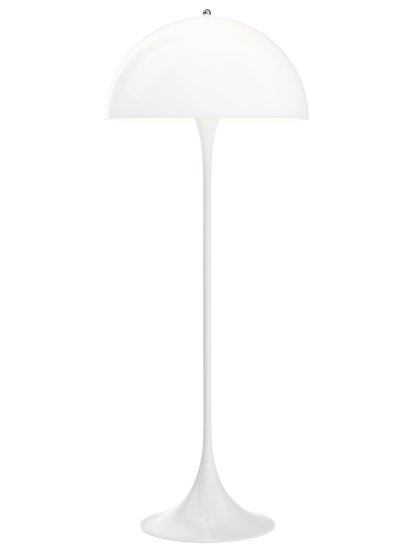
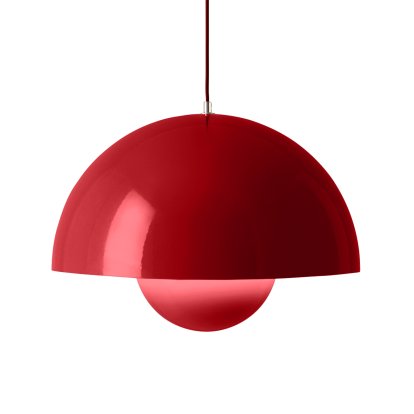
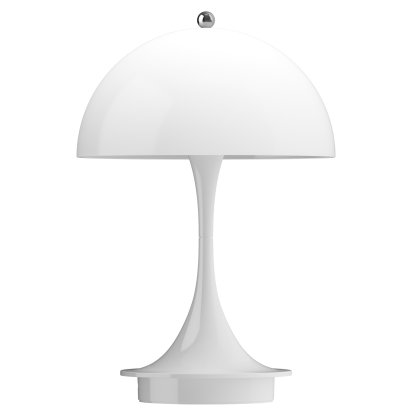
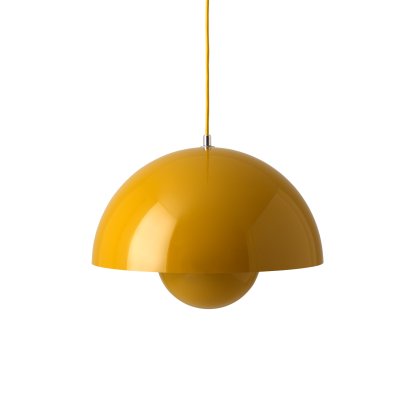
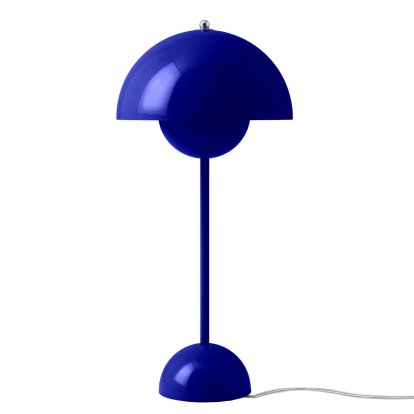
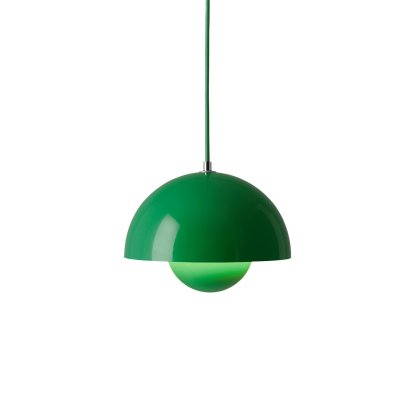
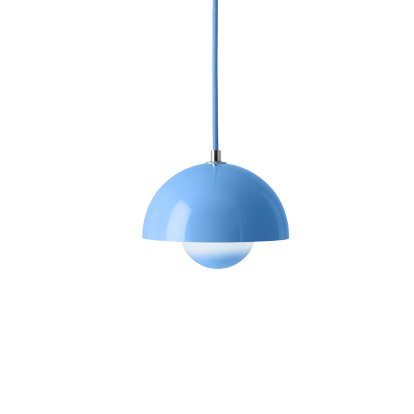
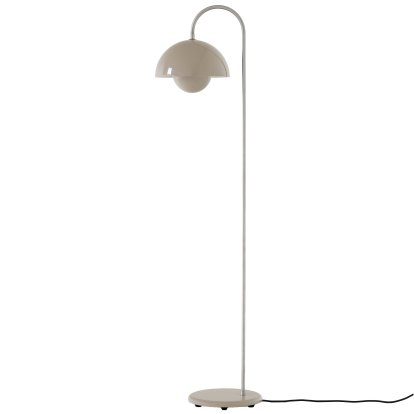
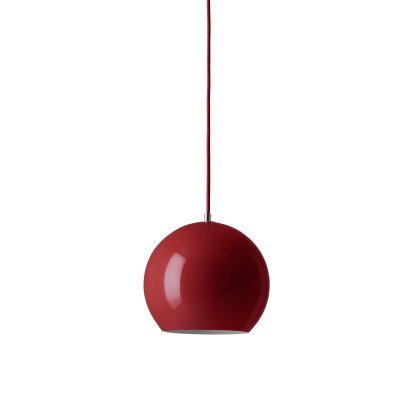
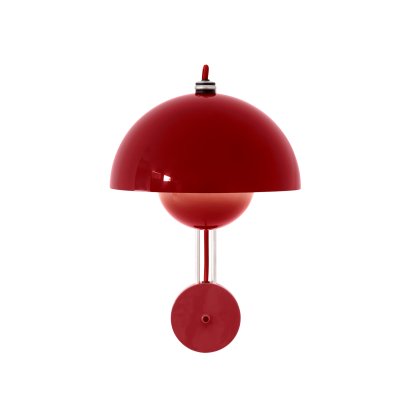
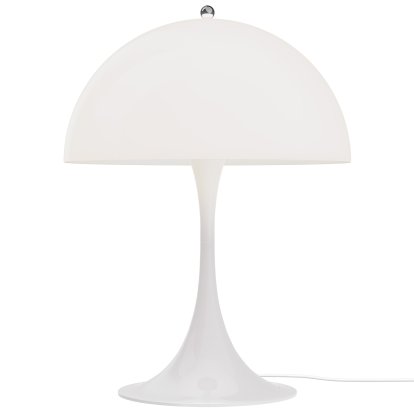
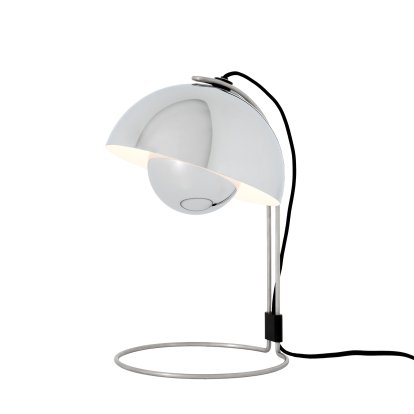
Panton also set standards in luminaire design. The Flowerpot luminaire from 1968, the VP Globe from 1969 and the Panthella luminaire from 1971 reflect his intensive exploration of light and colour. Panton's work always revolved around the holistic relationship between form, light, people and space. This was particularly evident in the interior design of the Spiegel publishing house in Hamburg in 1969, where he not only designed furniture and luminaires, but also transformed floors, walls and ceilings into an immersive, harmonious whole. In the 1970s and with the rise of postmodernism, Panton's work became comparatively quiet, but his designs made a strong comeback in the 1990s as part of a major Sixties revival.
While Panton cooperated directly with partners such as Vitra, Fritz Hansen and Louis Poulsen during his lifetime, his legacy is continued today through careful licensing. For example, the VP Globe pendant lamp (1969) is now produced by Verpan. The Danish company &Tradition also produces classics in close collaboration with Panton's estate, such as the Flowerpot series Verner Panton died in 1998, but his visionary thinking and his radical approach to colour, form and space continue to have an impact today. His designs have had a lasting influence on the modern understanding of design and remain the expression of an extraordinarily independent oeuvre.
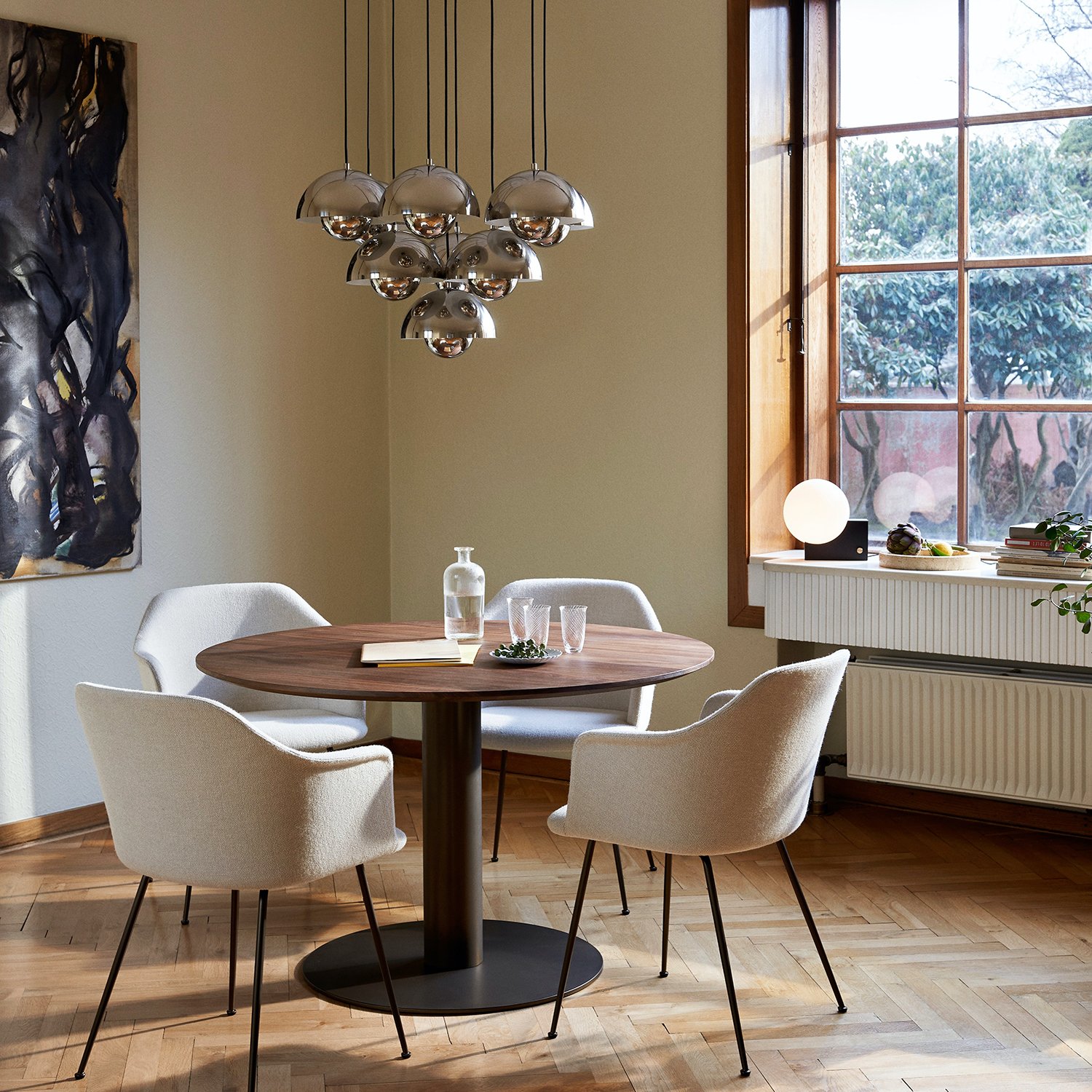
Flowerpot pendant light: Verner Panton design classic reissued by &Tradition
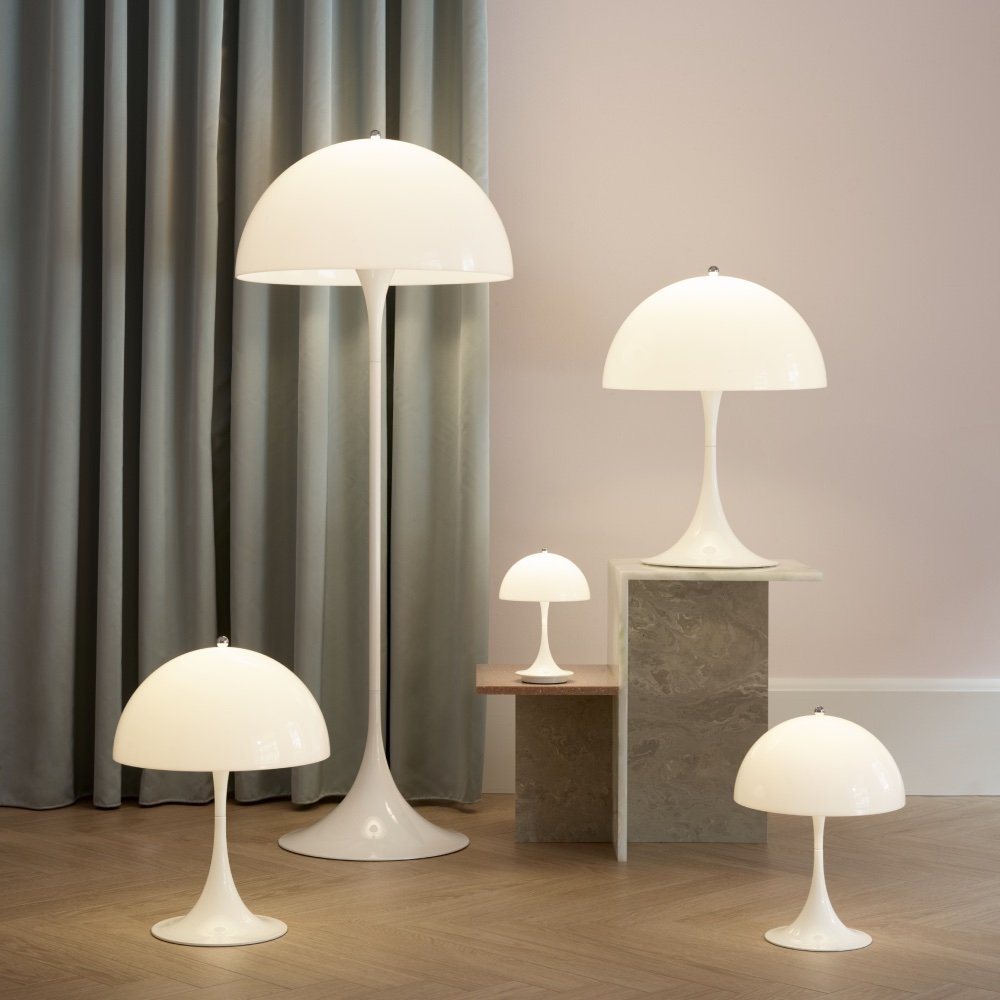
Legendary luminaire series for Louis Poulsen: the Verner Panton Panthella collection
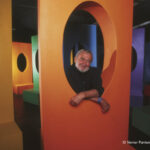
...On February 13, 2026, Verner Panton (1926 - 1998) would have celebrated his 100th birthday... Verner Panton's designs were never quiet...
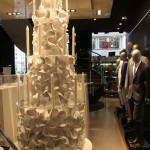
...It is almost certainly more by chance than design, but in the week that Verner Panton would have celebrated his 88th birthday the Vitra Design Museum Gallery opened an exhibition devoted to his inimitable Visiona 2 exhibition from 1970... Presented as part of the warm up to the forthcoming "Panorama" exhibition from and by Konstantin Grcic, "Visiona 1970: Revisiting the Future" explores the background to and realisation of the Visiona 2 showcase, including an accessible, usable, sitonable recreation of the "Phantasy Landscape" element: arguably the best known component of Visiona 2, one of the clearest expressions of Panton's ideas and one of the most enduring memorials to Verner Panton...
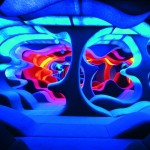
...Stern had seen Verner Panton's Visiona 2 exhibition at Cologne Furniture Fair... The 12th Cologne Furniture Fair opened on January 25th 1970 and presented the latest products from 1200 exhibitors from 26 nations to over 78,000 visitors2; the media highlight of Cologne 1970 however was without question Verner Panton's Visiona 2 showcase realised in conjunction with the chemicals conglomerate Bayer and presented on a ship moored next to the main exhibition centre...

...Although in the course of his career Verner Panton worked with numerous designer furniture producers, his name is undoubtedly most closely associated with Vitra... While still a student Verner Panton worked in Arne Jacobsen's Copenhagen office and was involved in the early development stages of the Ant Chair...
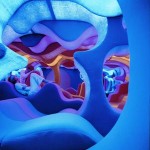
..." Verner Panton No one who knows the work of Verner Panton could or would argue that his work successfully achieved it's purpose... From May 15th until July 12 2009 the National Museum of Singapore is hosting the Vitra Design Museum exhibition Verner Panton : Collected Works...