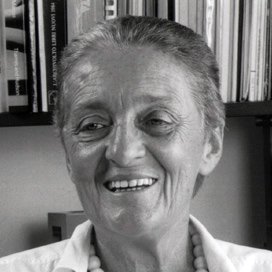
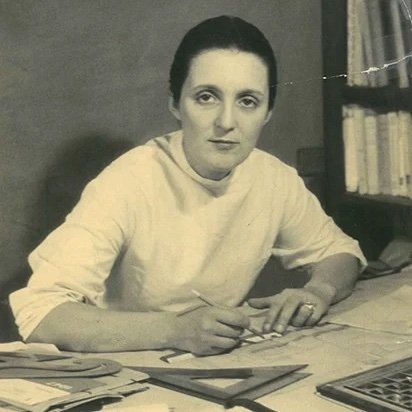
Anna Castelli Ferrieri was born in Milan on 6 August 1918 and was one of the first women to graduate in architecture from Milan Polytechnic in 1943. In her early professional years, she worked closely with the architect Franco Albini, whose neo-rationalist ideas of reduction, function and a strict aesthetic had a lasting influence on her. The principles of the Bauhaus school - simplicity, functionality and modern solutions - also formed the foundation of her later work.
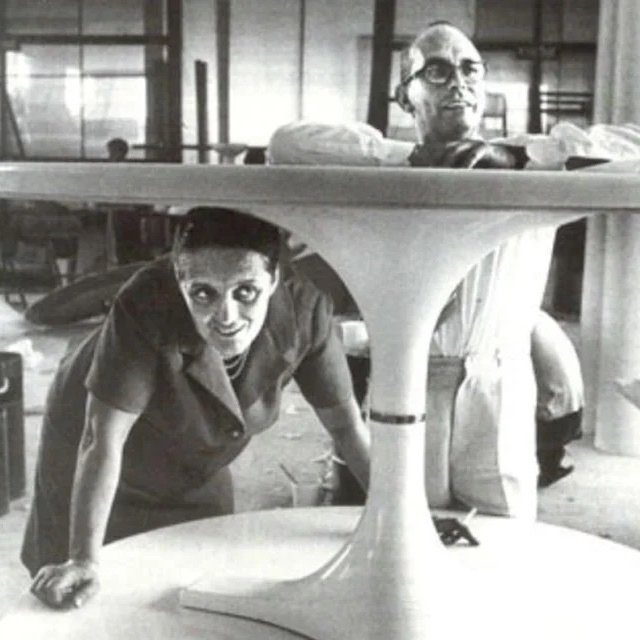
In 1950, she married Giulio Castelli, who had founded the company Kartell company a year earlier. In the years that followed, Anna Castelli Ferrieri initially continued to focus on architecture. At the beginning of the 1950s, she founded an architecture firm together with Ignazio Gardella. In this context, important industrial and functional buildings of modern Italian architecture were created, including the Alfa Romeo factory in Arese and later the Kartell headquarters in Noviglio, which today houses the company's own museum.
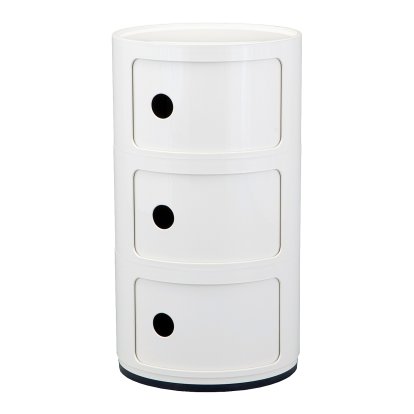
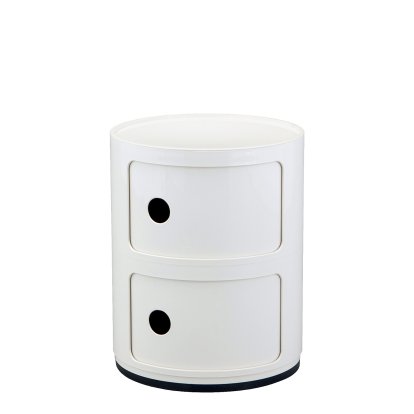
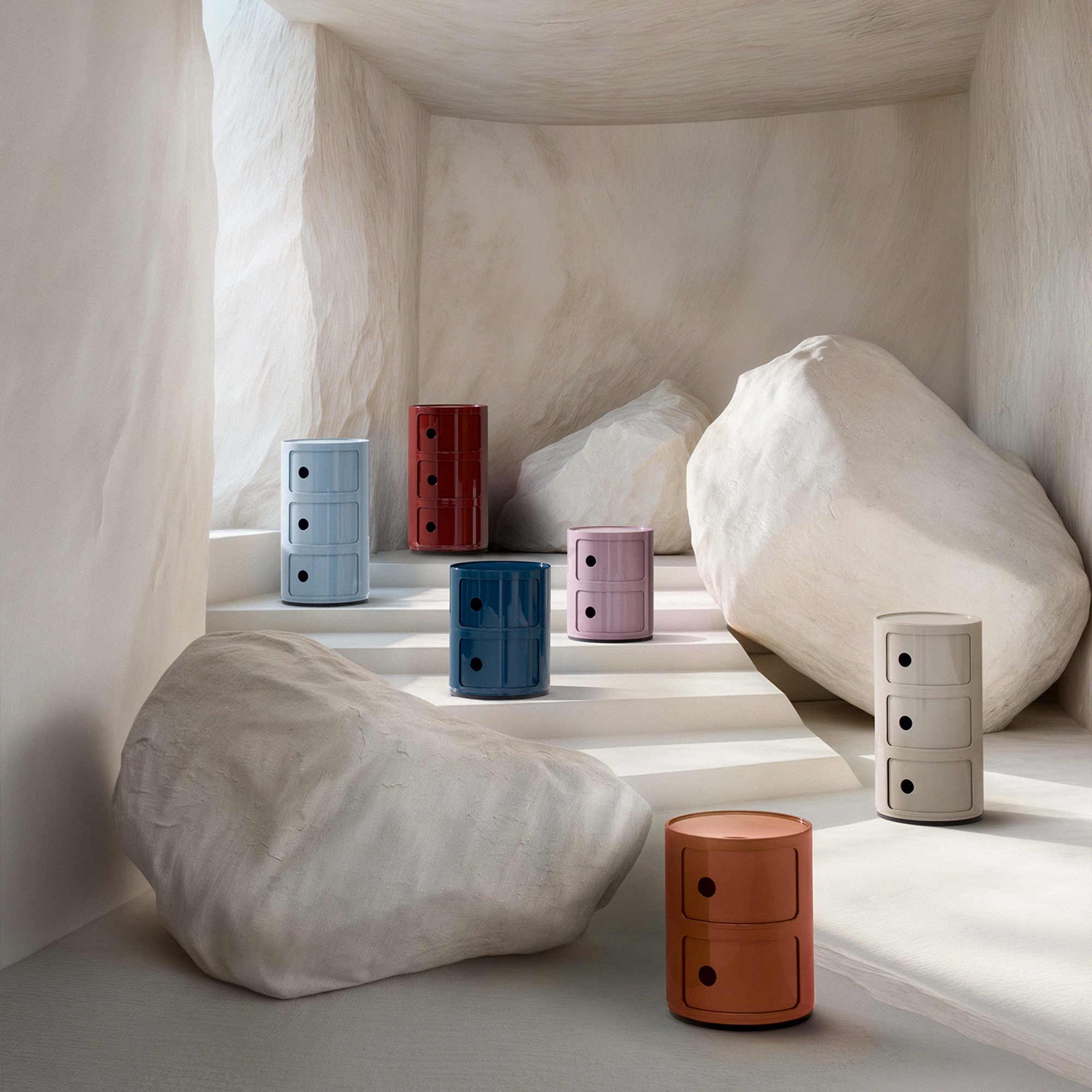
Although Kartell had already existed since 1949, it was only in the 1950s and early 1960s that Anna Castelli Ferrieri began to work increasingly as a designer for the company. From the mid-1960s onwards, she played a key role in shaping Kartell's image as head designer and later art director. During this phase, she developed numerous pieces of furniture made of plastic and made a decisive contribution to establishing the material as a serious basis for functional, industrially manufactured design.
Anna Castelli Ferrieri's designs were based on simple geometric shapes, were slim, colour-coordinated and had a high-quality finish. Anna Castelli Ferrieri combined aesthetics with high functionality and experimented intensively with material technologies in order to develop economical designs suitable for everyday use.